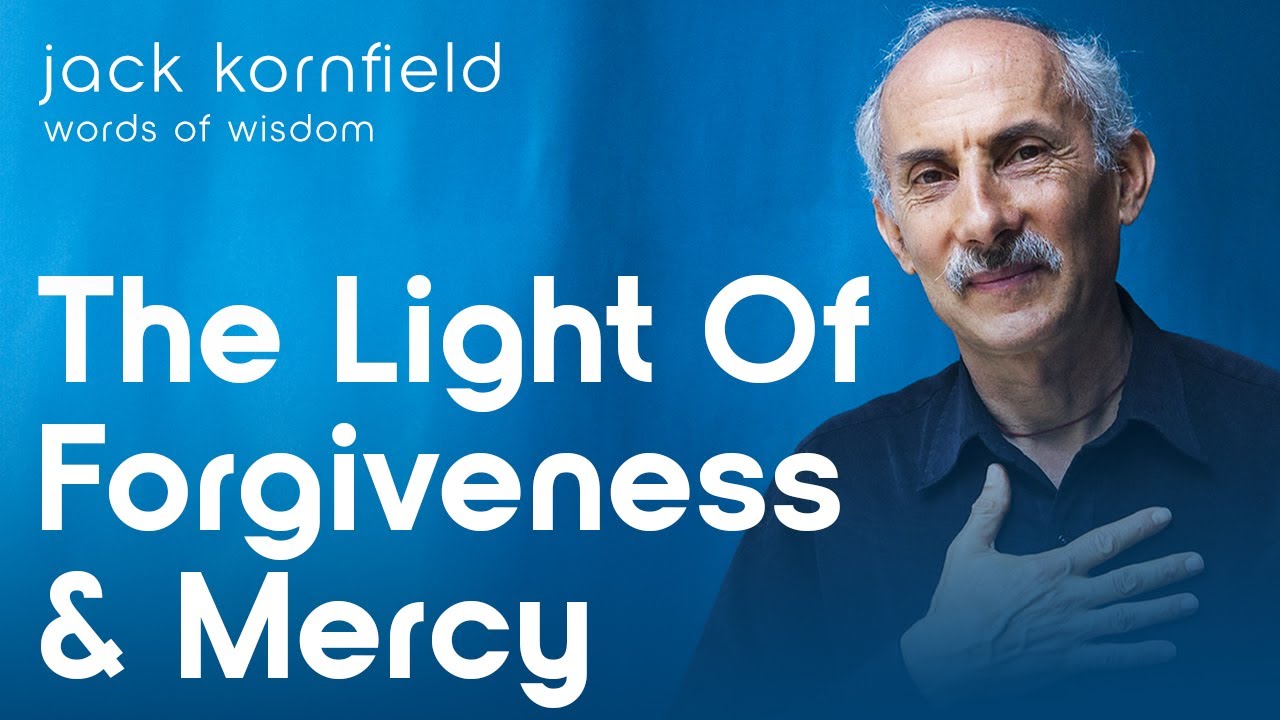
Jack Kornfield's poignant assertion, "What heals is presence, not perfection," invites us to reconsider our understanding of healing in a world often obsessed with flawlessness. In this statement, Kornfield emphasizes that true healing arises from our ability to be fully present with ourselves and others, rather than striving for an unattainable ideal of perfection. This perspective is crucial, especially in a society that frequently equates worth with achievement and success, leading many to feel inadequate or unworthy. Recognizing the value of presence over perfection can transform our relationships with ourselves and the world around us.
Delving deeper into Kornfield's wisdom, we find a profound invitation to embrace our humanity in all its imperfections. The notion that presence—our ability to be fully engaged and aware in the moment—can facilitate healing suggests a radical shift in how we approach our struggles and the struggles of others. Rather than seeking to fix or improve ourselves to meet an arbitrary standard, we are encouraged to cultivate a compassionate awareness of our experiences. This shift not only fosters personal growth but also nurtures deeper connections with those around us, creating a space where healing can truly occur.
The image / the metaphor
At the heart of Kornfield's quote lies a rich tapestry of imagery that evokes the essence of human experience. The term "presence" conjures feelings of warmth, connection, and authenticity, while "perfection" suggests a cold, unattainable ideal that often leads to isolation and despair. The verbs chosen—"heals" and "is"—imply a dynamic process, where healing is not a destination but a continuous journey rooted in our ability to be present. This imagery resonates deeply, as it reflects the duality of our existence: the struggle for perfection versus the acceptance of our imperfect selves.
Going deeper into the metaphor, we can see that presence embodies a state of being that invites vulnerability and openness. It is in this space of authenticity that true healing can take place, as we allow ourselves to be seen and heard without the masks of perfectionism. The contrast between presence and perfection serves as a reminder that our worth is not contingent upon our achievements or how we are perceived by others. Instead, it is in the raw, unfiltered moments of life—where we embrace our flaws and uncertainties—that we find the potential for profound healing.
In the speaker's tradition
Jack Kornfield's insights are deeply rooted in the Buddhist tradition, where concepts such as mindfulness, compassion, and non-attachment play pivotal roles in the journey toward healing. The idea of "kenosis," or self-emptying, aligns closely with Kornfield's message, as it encourages individuals to let go of the need for perfection and embrace the fullness of their present experience. This practice of being present allows for the cultivation of "sunyata," or emptiness, which invites us to release our attachments to ideals and judgments, ultimately leading to a more profound sense of peace and healing.
In the context of Buddhist texts, the teachings of the Buddha emphasize the importance of mindfulness and awareness as pathways to liberation from suffering. For instance, in the Satipatthana Sutta, the Buddha outlines the foundations of mindfulness, urging practitioners to be fully present with their thoughts, feelings, and sensations. This emphasis on presence resonates with Kornfield's assertion, highlighting that healing is found not in the pursuit of perfection but in the compassionate awareness of our lived experiences.
Living the teaching
Consider a modern scenario where this teaching can be applied: a parent navigating the challenges of raising children in a fast-paced world. The pressure to be the "perfect" parent can be overwhelming, often leading to feelings of inadequacy and stress. However, by embracing the principle of presence, a parent can shift their focus from striving for perfection to being fully engaged with their children in the moment. This might mean putting aside distractions during family time, actively listening to their child's concerns, or simply enjoying a quiet moment together. In doing so, the parent not only fosters a deeper connection with their child but also models the importance of presence over perfection.
Another application of this teaching can be found in the realm of relationships. In moments of conflict or misunderstanding, the urge to "fix" the situation or prove oneself right can create further distance between partners. By choosing to be present—listening deeply, acknowledging feelings, and allowing space for vulnerability—couples can navigate their challenges with greater compassion and understanding. This practice of presence nurtures a healing environment where both individuals feel valued and heard, ultimately strengthening their bond and fostering a deeper sense of intimacy.
A reflection
As we contemplate Kornfield's profound statement, we are invited to reflect on our own lives: In what areas do we find ourselves striving for perfection, and how might we shift our focus to embrace presence instead? This question encourages us to explore the ways in which our pursuit of an ideal can hinder our ability to connect with ourselves and others. By cultivating a practice of presence, we open ourselves to the healing potential that lies within our imperfect humanity, fostering a deeper sense of compassion and understanding in our lives.