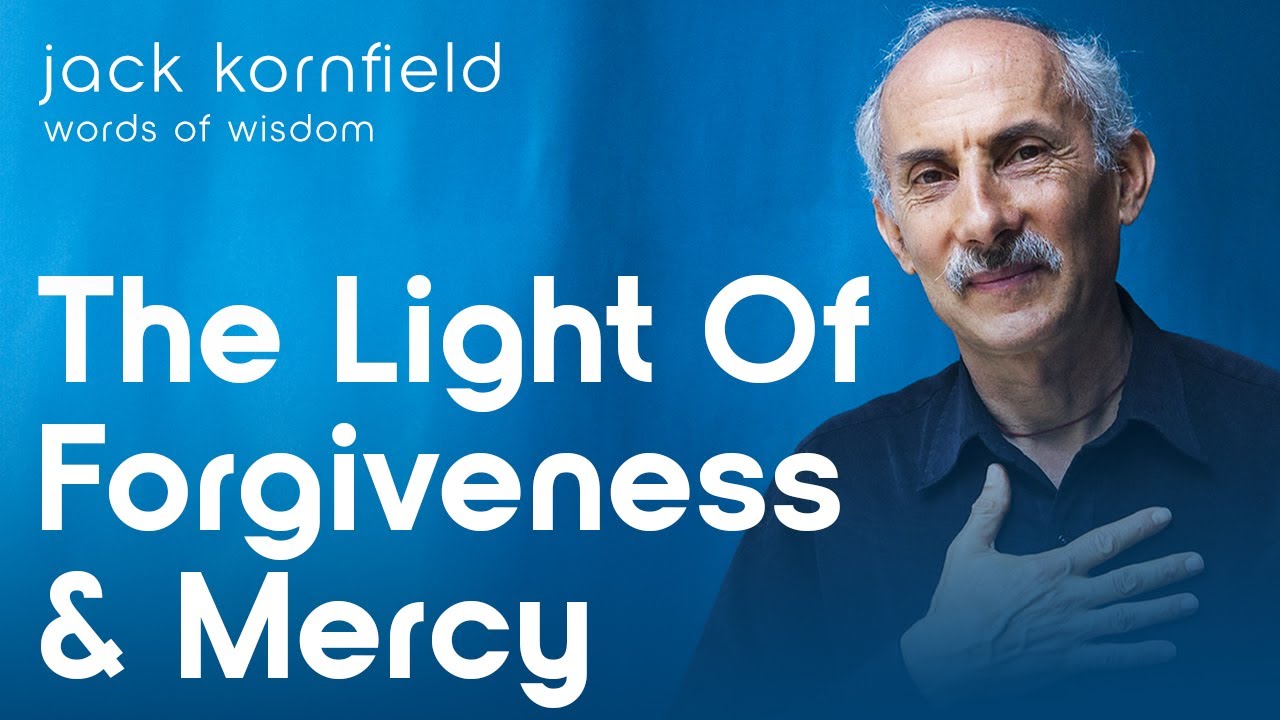
Jack Kornfield's poignant assertion, "To enter the heart, we must first leave the courtroom of self-judgment," invites us to consider the profound barriers we erect within ourselves. This metaphorical courtroom, where we serve as both judge and jury, often obstructs our ability to access the deeper, more compassionate aspects of our being. The stakes are high; without relinquishing this self-imposed judgment, we risk remaining disconnected from the warmth and wisdom that resides in our hearts. This journey toward self-compassion is not merely a personal endeavor but a universal necessity for fostering genuine connections with ourselves and others.
In a world that often emphasizes achievement and perfection, Kornfield's words resonate as a gentle reminder of the importance of self-acceptance. The courtroom of self-judgment is a familiar space for many, filled with critical voices that echo our insecurities and fears. To step away from this space is to embrace vulnerability, allowing us to explore the depths of our hearts without the weight of harsh self-assessment. This exploration is essential for cultivating a life rich in empathy, understanding, and love, both for ourselves and for those around us.
The image / the metaphor
The imagery of a courtroom evokes a sense of formality and rigidity, where decisions are made based on evidence and argumentation. In this metaphor, we find ourselves trapped in a cycle of self-criticism, weighing our perceived flaws against an idealized version of ourselves. The verbs "enter" and "leave" suggest a movement, a transition from one state of being to another. This movement is not merely physical but deeply emotional and spiritual, as we navigate the complexities of our inner landscape. The courtroom symbolizes the harsh judgments we impose on ourselves, while the heart represents a sanctuary of compassion and acceptance.
In the speaker's tradition
Jack Kornfield, a prominent figure in contemporary Buddhism, draws upon the rich tapestry of Buddhist teachings to illuminate the path of self-compassion. Central to this tradition is the concept of *metta*, or loving-kindness, which encourages us to cultivate a gentle and forgiving attitude toward ourselves. This practice aligns with the notion of *sunyata*, or emptiness, which invites us to recognize that our self-judgments are often based on transient thoughts rather than our true nature. By stepping away from the courtroom of self-judgment, we can access a deeper understanding of our interconnectedness and the inherent goodness within us.
In Kornfield's work, the teachings of the *Dhammapada* resonate with this theme, particularly the verses that emphasize the importance of self-reflection and the cultivation of a peaceful mind. The text reminds us that our thoughts shape our reality, and by nurturing compassionate thoughts, we can transform our experience of self and the world. This alignment with the heart's wisdom is a call to practice self-compassion as a means of transcending the limitations imposed by our judgments.
Living the teaching
Consider a modern scenario where this teaching finds resonance: a person grappling with feelings of inadequacy in their professional life. They may find themselves constantly critiquing their performance, feeling as though they are never enough. In this courtroom of self-judgment, they may overlook their accomplishments and the unique qualities they bring to their work. By consciously choosing to leave this space, they can begin to acknowledge their strengths, embrace their imperfections, and cultivate a more compassionate relationship with themselves, ultimately leading to greater fulfillment and productivity.
In the realm of relationships, the teaching of leaving self-judgment behind can be transformative. Imagine a couple facing a conflict, each partner caught in their own narrative of blame and self-criticism. By stepping away from this courtroom dynamic, they can approach the situation with open hearts, fostering a dialogue rooted in understanding rather than defensiveness. This shift allows for deeper connection and healing, as both partners learn to embrace vulnerability and compassion, ultimately strengthening their bond.
A reflection
As we contemplate Kornfield's invitation to leave the courtroom of self-judgment, we are called to reflect on our own inner dialogues. What judgments do we hold against ourselves that prevent us from fully entering our hearts? In what ways can we cultivate a more compassionate relationship with ourselves? These questions serve as a gentle guide, encouraging us to explore the depths of our being and to embrace the transformative power of self-compassion.