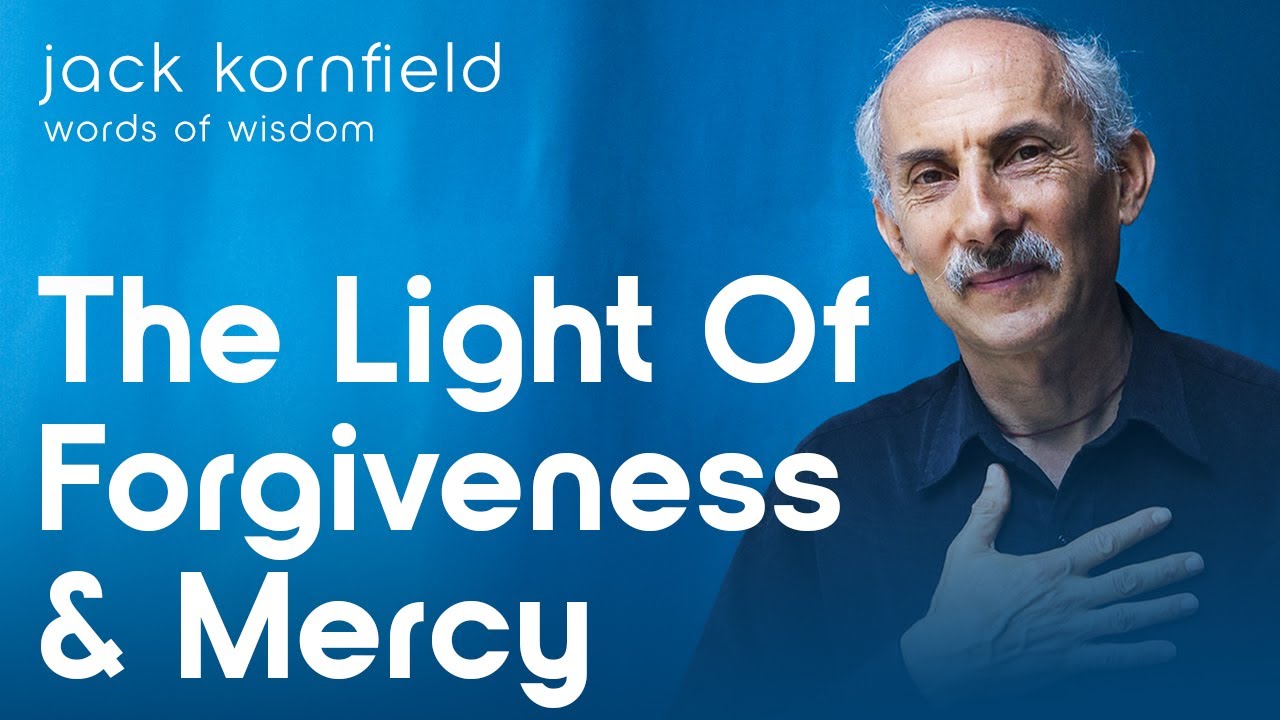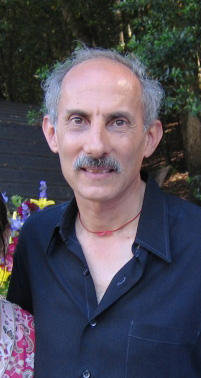
Jack Kornfield's assertion that "the dharma — what is true — is everywhere" invites us to recognize the profound wisdom embedded in the fabric of our daily experiences. He suggests that truth is not confined to lofty philosophical discussions or sacred texts; rather, it permeates the ordinary moments of our lives — from the gentle caress of the wind to the simple act of serving a meal or sharing a laugh. This perspective challenges us to cultivate awareness and mindfulness, urging us to see the sacred in the mundane and to embrace the present moment as a source of insight and understanding.
In a world often characterized by distraction and busyness, Kornfield's words serve as a gentle reminder to slow down and attune ourselves to the richness of our surroundings. The dharma, or truth, is not an abstract concept but a lived reality that unfolds in our interactions and experiences. By recognizing the presence of dharma in everyday life, we can deepen our connection to ourselves, others, and the world around us, fostering a sense of peace and clarity that transcends the chaos of modern existence.
The image / the metaphor
The imagery in Kornfield's quote is strikingly vivid, inviting us to visualize the wind's movement, the act of serving a meal, and the spontaneous joy of laughter. Each of these actions embodies a unique expression of truth, illustrating how dharma manifests in various forms. The wind, for instance, is a natural force that flows freely, reminding us of the impermanence and interconnectedness of all things. Serving a meal becomes a sacred ritual, an opportunity to nourish not only the body but also the spirit, while laughter serves as a bridge that connects us to one another, transcending barriers and fostering a sense of community.
Delving deeper into the metaphor, we can see that each action reflects a different aspect of the dharma. The wind symbolizes the ever-changing nature of life, urging us to embrace the present moment with openness and acceptance. Serving a meal can be viewed as an act of generosity and compassion, embodying the principles of loving-kindness and interconnectedness. Laughter, on the other hand, represents the joy and spontaneity that arise when we let go of our attachments and judgments, allowing us to experience the fullness of life in its myriad forms. Together, these images create a tapestry of understanding that encourages us to seek truth in the simplest of actions.
In the speaker's tradition
Jack Kornfield's teachings are deeply rooted in the Buddhist tradition, where the concept of dharma plays a central role. In Buddhism, dharma refers not only to the teachings of the Buddha but also to the inherent truth that exists within all phenomena. This understanding aligns with the notion of sunyata, or emptiness, which suggests that all things are interconnected and devoid of inherent existence. By recognizing the dharma in everyday life, we cultivate a sense of awareness that allows us to see beyond the surface of our experiences, revealing the deeper truths that lie beneath.
In his book "A Path with Heart," Kornfield emphasizes the importance of mindfulness and presence as essential components of the spiritual journey. This perspective resonates with the teachings found in the Satipatthana Sutta, where the Buddha instructs practitioners to cultivate awareness of the body, feelings, mind, and mental objects. By grounding ourselves in the present moment and observing our experiences with clarity and compassion, we can uncover the dharma that is woven into the fabric of our lives, transforming ordinary moments into opportunities for insight and growth.
Living the teaching
Consider a modern scenario where this teaching can be applied: imagine preparing a meal for a loved one. As you chop vegetables and stir the pot, you might find your mind wandering to past regrets or future worries. However, by consciously bringing your attention back to the act of cooking, you can transform this mundane task into a meditation on presence and gratitude. Each slice of the knife becomes a reminder of the nourishment you are providing, and the aroma of the food fills the space with warmth and love, allowing you to experience the dharma in the simple act of caring for another.
In a different context, think about a challenging moment in a relationship, perhaps during a disagreement. Instead of reacting impulsively, you can pause and take a breath, allowing yourself to recognize the truth of the situation. By approaching the conversation with mindfulness and compassion, you create space for understanding and connection, transforming a potentially divisive moment into an opportunity for growth and healing. In these ways, Kornfield's teaching encourages us to embrace the dharma in our daily interactions, fostering deeper connections with ourselves and others.
A reflection
As we contemplate Kornfield's assertion that "the dharma — what is true — is everywhere," we are invited to explore our own experiences of truth in the ordinary moments of life. What simple actions or interactions can you bring your awareness to today? In what ways can you cultivate a deeper sense of presence and connection to the world around you? Allow these questions to guide your reflections, opening your heart and mind to the profound wisdom that resides in the everyday.