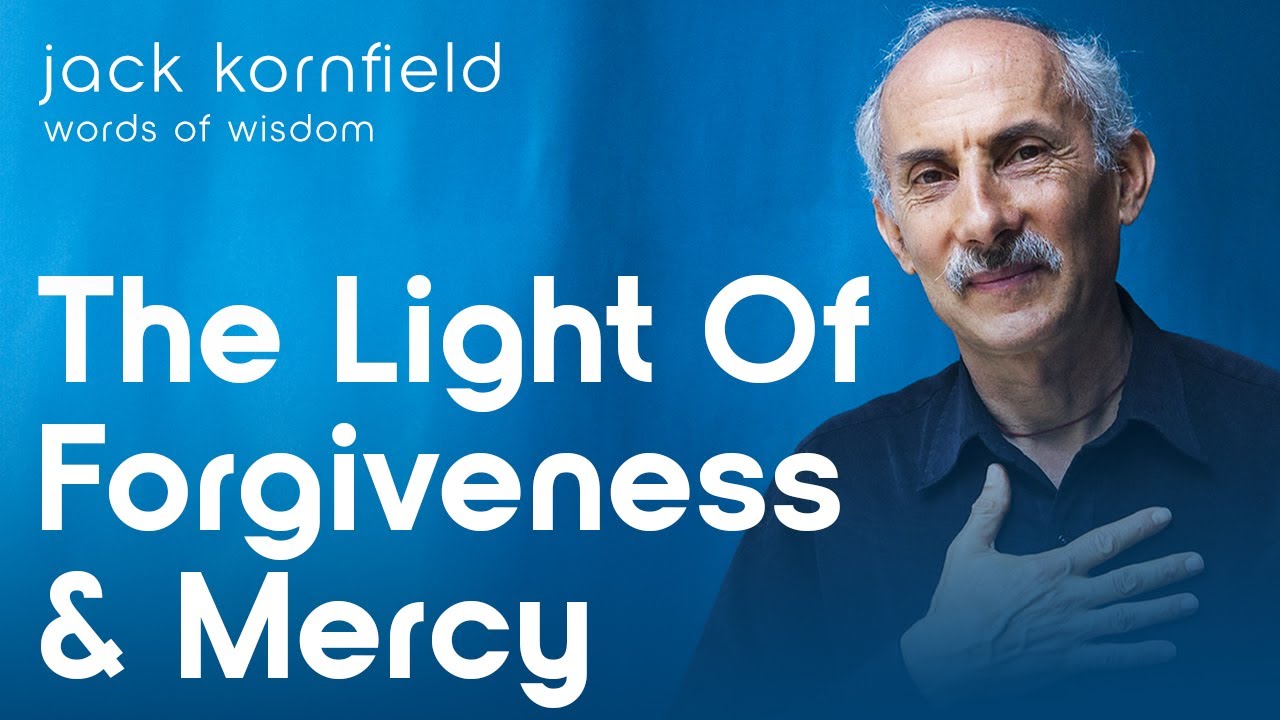
Jack Kornfield's assertion that "we suffer because we try to hold on to what is changing" invites us to explore the profound truth of impermanence in our lives. At its core, this statement reveals the paradox of human existence: our instinct to cling to fleeting moments, relationships, and experiences often leads to suffering. Recognizing this dynamic is not merely an intellectual exercise; it is a transformative realization that can guide us toward greater peace and acceptance. Understanding the nature of change is essential for alleviating our distress and cultivating a more harmonious relationship with life.
In a world that constantly shifts, the challenge lies in our attachment to the familiar and the comfortable. We often find ourselves resisting change, whether it be in our personal lives, our relationships, or our aspirations. This resistance can manifest as anxiety, disappointment, or even despair. Kornfield's teaching serves as a gentle reminder that suffering arises not from the changes themselves, but from our unwillingness to accept them. By embracing the fluidity of existence, we can learn to navigate life's inevitable transitions with grace and resilience.
The image / the metaphor
The imagery in Kornfield's quote evokes a sense of grasping, of holding tightly to something that is inherently transient. The verbs "try to hold on" suggest an active struggle against the natural flow of life. This struggle is akin to attempting to catch water in our hands; no matter how tightly we grip, the water will slip through our fingers. The felt sense of this metaphor is one of futility and frustration, highlighting the inherent tension between our desires for permanence and the reality of impermanence.
In the speaker's tradition
Jack Kornfield's teachings are deeply rooted in the Buddhist tradition, which emphasizes the concepts of impermanence (anicca) and non-attachment (upādāna). These principles are central to the understanding of suffering (dukkha) as articulated in the Four Noble Truths. In Buddhism, clinging to transient phenomena is seen as a primary source of suffering, and the path to liberation involves recognizing the impermanent nature of all things. This understanding aligns with the practice of mindfulness, which encourages us to observe our thoughts and feelings without attachment, allowing us to experience life more fully.
A relevant text that echoes Kornfield's insights is the Dhammapada, where the Buddha states, "All conditioned things are impermanent. When one sees this with wisdom, one turns away from suffering." This passage underscores the importance of cultivating prajna, or wisdom, to see through the illusions of permanence. By developing this insight, we can begin to release our grip on what is fleeting and embrace the beauty of the present moment, fostering a deeper sense of peace and acceptance.
Living the teaching
Consider a modern scenario where this teaching resonates: a person who has recently lost a job may find themselves clinging to the identity and security that their position provided. This attachment can lead to feelings of inadequacy and despair, as they struggle to accept the reality of their situation. However, by recognizing that both the job and the feelings associated with it are impermanent, they can begin to explore new opportunities and redefine their sense of self beyond their previous role. This shift in perspective allows them to navigate the transition with greater ease and openness.
In the context of relationships, the teaching of impermanence can be particularly poignant. Imagine a couple facing challenges in their marriage; they may cling to the idealized version of their relationship, resisting the changes that come with time and growth. By acknowledging that relationships evolve and that each phase brings its own lessons, they can cultivate a deeper understanding and appreciation for one another. This acceptance fosters a space for healing and renewal, allowing love to flourish even amidst change.
A reflection
As we contemplate Kornfield's profound insight, we are invited to reflect on our own lives: What are the areas where we find ourselves clinging to the past or resisting change? In what ways can we cultivate a greater acceptance of impermanence, allowing ourselves to flow with the currents of life rather than against them? By engaging with these questions, we can begin to unravel the threads of suffering woven into our attachments, opening ourselves to the beauty and richness of each moment as it unfolds.