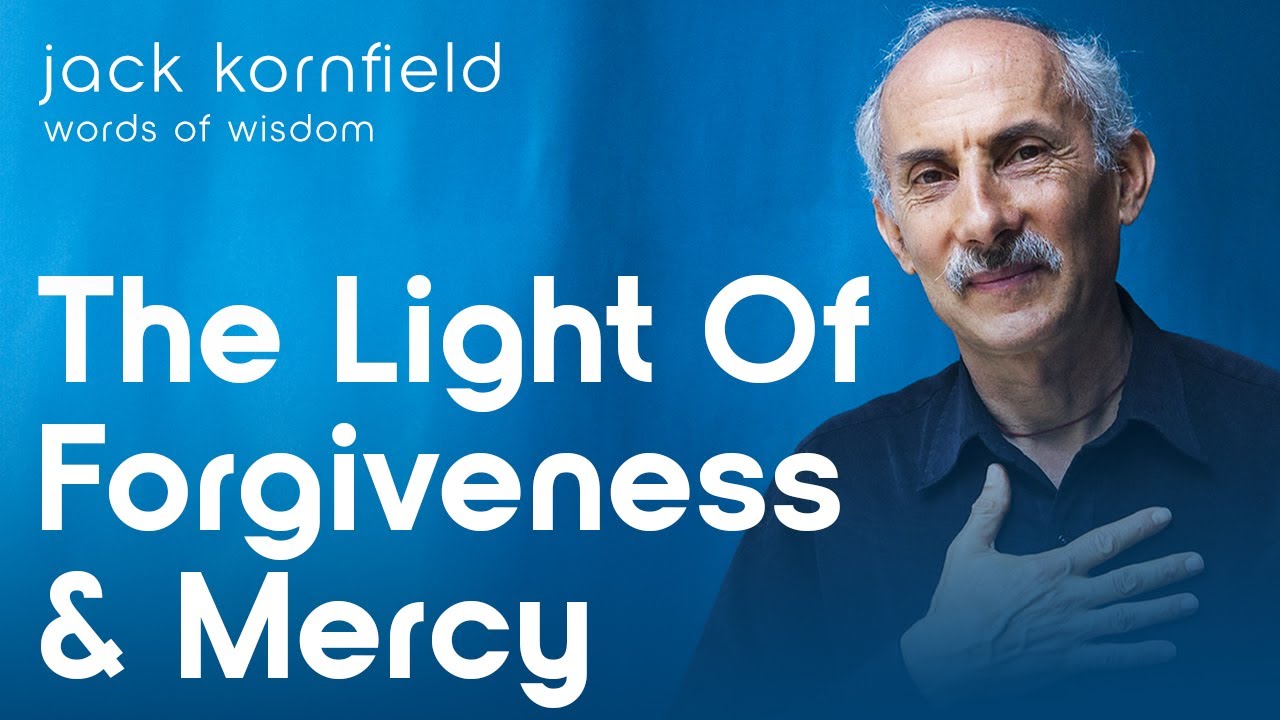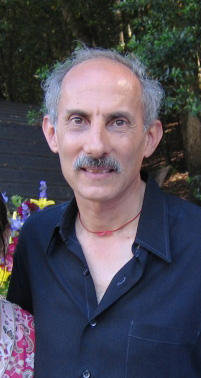
Jack Kornfield's poignant assertion, "Letting go does not mean giving up. It means making space for what is true," invites us to reconsider our relationship with attachment and acceptance. In a world that often equates letting go with failure or loss, Kornfield's words serve as a gentle reminder that true liberation lies in the ability to create space for authenticity and clarity. This distinction is vital; it encourages us to release our grip on illusions and expectations, allowing the truth of our experiences to emerge.
In a culture that prizes achievement and control, the act of letting go can feel counterintuitive, even daunting. Yet, Kornfield's insight reveals a deeper wisdom: that in relinquishing our attachments, we do not surrender our agency or aspirations. Instead, we cultivate an openness that invites new possibilities and insights into our lives. This process of making space is not merely passive; it is an active engagement with our inner landscape, fostering a fertile ground for truth to flourish.
The image / the metaphor
The imagery in Kornfield's quote evokes a sense of spaciousness, suggesting that letting go creates an expansive environment where truth can thrive. The verbs "letting go" and "making space" imply a dynamic interplay between release and receptivity. This duality captures the essence of a transformative process, where the act of relinquishing is not an end but a means to a more profound understanding of ourselves and our circumstances.
In the speaker's tradition
Jack Kornfield's teachings are deeply rooted in Buddhist philosophy, where the concepts of non-attachment and impermanence are central. In Buddhism, the notion of dharma emphasizes the importance of understanding the nature of reality, which often requires letting go of preconceived notions and desires. This aligns with the idea of sunyata, or emptiness, which suggests that true understanding arises when we release our attachments to fixed identities and beliefs.
In his book, "The Wise Heart," Kornfield draws upon these Buddhist principles to illustrate how letting go can lead to a deeper experience of life. He references the practice of mindfulness, which encourages us to observe our thoughts and feelings without clinging to them. This practice echoes the teachings found in the Heart Sutra, where the realization of emptiness leads to liberation from suffering. By embracing the space created through letting go, we can access a profound truth that transcends our ordinary experiences.
Living the teaching
Consider a modern scenario where this teaching resonates: a professional grappling with the pressure to succeed in a competitive environment. This individual may feel trapped by the expectations of their job, leading to stress and burnout. By embracing Kornfield's insight, they might begin to let go of the need for external validation and instead focus on what truly matters to them—perhaps their passion for creativity or their desire for meaningful connections. This shift allows them to create space for a more authentic career path, one that aligns with their values and aspirations.
In the realm of relationships, letting go can manifest in profound ways. Imagine a couple facing ongoing conflict due to unspoken grievances and unmet expectations. By practicing the art of letting go, they can release their attachment to being right or to past hurts. This process opens the door for honest communication and vulnerability, allowing both partners to express their true feelings and needs. In this way, letting go becomes a catalyst for deeper intimacy and understanding, fostering a relationship grounded in truth rather than fear.
A reflection
As we contemplate Kornfield's wisdom, we are invited to reflect on our own lives: What attachments or beliefs are we clinging to that may be obscuring our path to truth? In what areas might we benefit from creating space for new insights and experiences? By engaging with these questions, we can begin to cultivate a practice of letting go that not only enriches our understanding of ourselves but also opens us to the beauty of what is true.