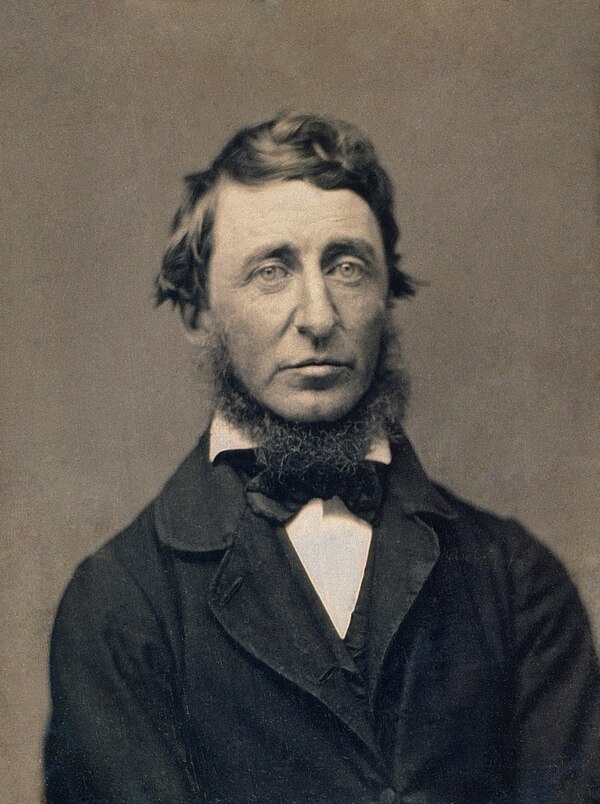
Henry David Thoreau's assertion that "public opinion is a weak tyrant compared with our own private opinion" invites us to reflect on the profound impact of self-perception on our lives. In essence, he suggests that the judgments we hold about ourselves are far more influential than the opinions of others. This insight is crucial in a world where external validation often overshadows our internal compass, shaping our destinies in ways we may not fully comprehend.
Thoreau's words resonate deeply in contemporary society, where the cacophony of public opinion can drown out the quiet voice of self-awareness. The struggle to align our self-image with societal expectations can lead to discontent and confusion. By emphasizing the importance of our private opinions, Thoreau encourages us to cultivate a strong sense of self that is resilient against the fluctuations of external judgment. This internal strength is not merely a personal endeavor; it is a pathway to authentic freedom and fulfillment.
The image / the metaphor
In Thoreau's quote, the imagery of "weak tyrant" evokes a sense of irony. While public opinion may seem powerful, it is ultimately fragile compared to the steadfastness of our inner beliefs. The verbs "determines" and "indicates" suggest a dynamic relationship between self-perception and fate, implying that our thoughts shape our reality. This metaphor highlights the contrast between the external pressures of societal norms and the internal landscape of self-reflection.
Diving deeper into the metaphor, we can see that Thoreau is not merely contrasting two forms of influence; he is illuminating the hierarchy of power within ourselves. The notion that our private opinion is a stronger force than public opinion speaks to the transcendental belief in the individual’s capacity for self-discovery and self-definition. It is a call to recognize that true authority lies within, urging us to cultivate a self-image that is not only resilient but also reflective of our deepest values and aspirations.
In the speaker's tradition
Thoreau's insights are deeply rooted in the tradition of transcendentalism, which emphasizes the inherent goodness of people and nature, as well as the importance of self-reliance and individual intuition. This philosophy aligns closely with concepts such as dharma, which refers to one's personal duty and path in life, and kenosis, the idea of self-emptying to allow for deeper understanding and connection. In this light, Thoreau's emphasis on private opinion can be seen as an invitation to align with one's true nature and purpose.
In his seminal work, "Walden," Thoreau explores the themes of solitude and self-examination, advocating for a life that prioritizes personal truth over societal expectations. His reflections on living deliberately in nature serve as a backdrop for understanding the importance of self-perception. By immersing oneself in the natural world, Thoreau suggests that individuals can strip away the layers of public opinion and reconnect with their authentic selves, thus determining their own fate.
Living the teaching
Consider a modern scenario where an individual grapples with the pressure to conform to societal standards, such as the pursuit of a prestigious career that does not resonate with their true passions. In this context, Thoreau's teaching becomes a guiding light, encouraging the individual to reflect on their private opinion of themselves and their aspirations. By prioritizing their inner voice over external expectations, they can reclaim agency over their life choices, ultimately leading to a more fulfilling path.
This teaching can also manifest in interpersonal relationships, where the fear of judgment may stifle authentic communication. For instance, in a friendship where one person feels pressured to conform to the other's expectations, Thoreau's insight serves as a reminder to honor one's own perspective. By fostering an environment of openness and self-acceptance, both individuals can navigate their relationship with greater authenticity, allowing their private opinions to guide their interactions rather than succumbing to the tyranny of public opinion.
A reflection
As we contemplate Thoreau's assertion, we are invited to examine the nature of our self-perception. What beliefs do we hold about ourselves that shape our experiences and choices? In a world filled with external noise, how can we cultivate a deeper understanding of our private opinions to guide our paths? Reflecting on these questions can illuminate the ways in which we might reclaim our inner authority and live more authentically.


