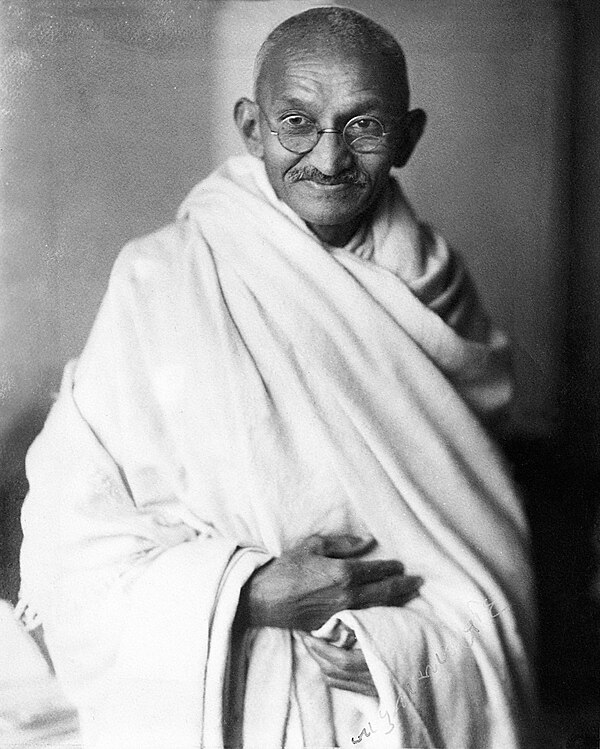
Mahatma Gandhi's assertion that "Prayer is not asking. It is a longing of the soul" invites us to reconsider the essence of prayer beyond mere supplication. In a world often characterized by transactional relationships, this perspective urges us to explore prayer as a profound expression of our innermost desires and yearnings. It beckons us to delve into the depths of our spiritual existence, where the soul's longing transcends the superficiality of requests and instead seeks a deeper communion with the divine.
This understanding of prayer as a soulful longing resonates deeply within the human experience. It suggests that true prayer emerges from a place of vulnerability and authenticity, where we confront our deepest aspirations and fears. Rather than viewing prayer as a mechanism to fulfill our desires, Gandhi's insight invites us to embrace it as a transformative practice that nurtures our spiritual growth and fosters a connection with something greater than ourselves.
The image / the metaphor
The imagery in Gandhi's quote evokes a sense of yearning that is both intimate and expansive. The word "longing" suggests a deep, almost visceral desire that arises from the core of our being. It is not a mere wish or a fleeting thought; rather, it is a profound ache that compels us to reach out beyond ourselves. This longing is imbued with a sense of urgency, as if the soul is calling out for connection, understanding, and fulfillment. The choice of the verb "is" further emphasizes that this longing is not an occasional feeling but an intrinsic aspect of our spiritual nature.
In the speaker's tradition
Gandhi's perspective on prayer is deeply rooted in the Hindu tradition, where concepts such as bhakti (devotion) and dharma (righteous duty) play pivotal roles. In this context, prayer is not merely a means of seeking personal gain but a way to align oneself with the greater cosmic order. The longing of the soul reflects the idea of bhakti, where the devotee yearns for a connection with the divine, transcending the ego and embracing a sense of unity with all beings. This longing is an expression of love and devotion, where the individual seeks to dissolve the boundaries of the self in the presence of the divine.
Furthermore, this notion of longing can be paralleled with the Buddhist concept of sunyata, or emptiness, which emphasizes the interconnectedness of all things. Just as the soul longs for connection, the recognition of our shared existence invites us to cultivate compassion and understanding. In this light, Gandhi's quote resonates with the teachings found in the Bhagavad Gita, where the importance of surrendering one's desires to a higher purpose is emphasized. The Gita teaches that true fulfillment arises not from the pursuit of personal gain but from aligning oneself with the divine will.
Living the teaching
Consider a modern scenario where this teaching can be applied: a person grappling with the challenges of daily life may find themselves overwhelmed by the demands of work, family, and societal expectations. In such moments, the act of prayer can transform from a simple request for help into a profound expression of longing for clarity, peace, and connection. By approaching prayer as a soulful yearning, individuals can shift their focus from seeking immediate solutions to cultivating a deeper understanding of their own desires and the greater purpose behind their struggles.
In relationships, this teaching can manifest in moments of conflict or misunderstanding. Instead of approaching a loved one with a list of grievances or demands, one might engage in a prayerful reflection on the underlying yearnings that drive their emotions. This shift from asking for change to expressing a longing for connection and understanding can foster deeper empathy and compassion, allowing both individuals to navigate their differences with grace and openness. In this way, the essence of prayer as a longing of the soul becomes a transformative force in our interactions with others.
A reflection
As we contemplate Gandhi's profound insight, we are invited to reflect on our own experiences of prayer. What does it mean for us to long for something beyond ourselves? In moments of stillness, we can ask ourselves: How can we cultivate a deeper awareness of our soul's yearnings, and how might this awareness transform our approach to prayer and connection with the divine?