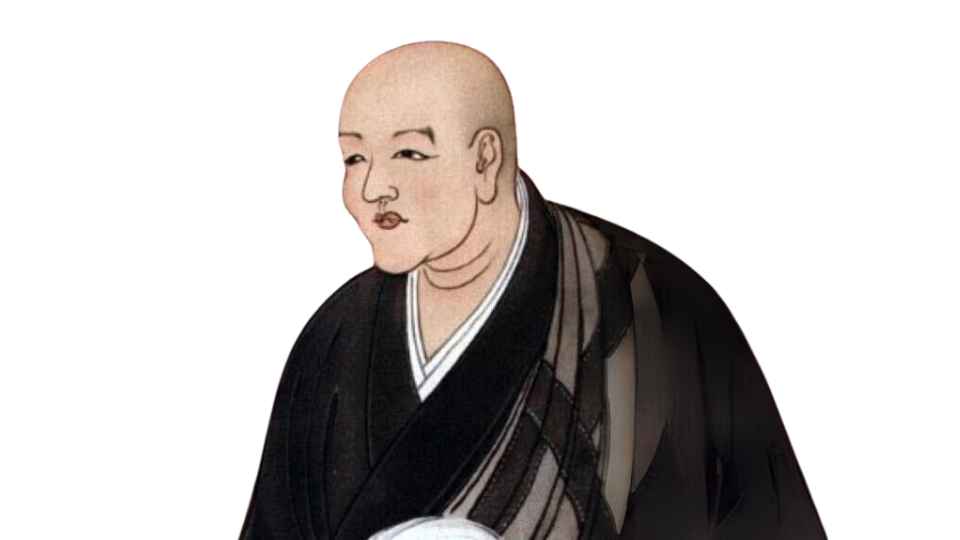
In the profound words of Dōgen, "Each of us, as we are, is at the heart of the Way." This statement invites us to recognize that our very existence, in its unadulterated form, is integral to the spiritual journey. It emphasizes the significance of presence, urging us to acknowledge that the essence of our being is not separate from the path we tread. This insight holds immense importance in a world often preoccupied with external validation and distractions, reminding us that the journey is not about becoming someone else but about fully embodying who we already are.
As we delve deeper into Dōgen's assertion, we uncover layers of meaning that challenge our conventional understanding of self and spirituality. The phrase suggests a radical acceptance of our current state, urging us to embrace our imperfections and idiosyncrasies as essential components of our spiritual practice. In a society that often promotes ideals of perfection and achievement, Dōgen's words serve as a gentle yet firm reminder that the path to enlightenment is not found in striving for an unattainable ideal but in the authentic experience of our own lives.
The image / the metaphor
At first glance, Dōgen's quote presents a simple yet profound image: the heart as the center of the Way. The heart, often associated with love, compassion, and authenticity, serves as a metaphor for our innermost being. The use of the word "each" emphasizes individuality, suggesting that every person, regardless of their circumstances, holds a unique place within the greater tapestry of existence. The verb "is" implies a state of being rather than doing, inviting us to recognize that our essence is not contingent upon external achievements or validations.
Dōgen's metaphor extends beyond mere existence; it beckons us to explore the depths of our own consciousness. The heart symbolizes not only our emotional core but also the seat of wisdom and insight. By placing ourselves at the heart of the Way, we are called to engage with our experiences fully, allowing them to inform our understanding of the world and ourselves. This engagement is not passive; it requires active participation in the unfolding of our lives, embracing both joy and suffering as integral to the journey.
In the speaker's tradition
Dōgen, a seminal figure in Zen Buddhism, invites us to explore the intersection of presence and practice through the lens of his teachings. Central to his philosophy is the concept of "shikantaza," or "just sitting," which emphasizes the importance of being fully present in the moment without attachment to thoughts or distractions. This practice aligns with the idea of "sunyata," or emptiness, suggesting that our true nature is not defined by the transient aspects of our lives but rather by the stillness that resides within. In this way, Dōgen's assertion resonates with the broader Zen tradition, which emphasizes direct experience and the inherent wisdom found in each moment.
In his seminal work, "Fukanzazengi," Dōgen articulates the significance of zazen, or seated meditation, as a means to realize our true nature. He writes, "To study the Buddha Way is to study the self; to study the self is to forget the self." This statement echoes the essence of his quote, as it underscores the importance of recognizing our place within the Way while simultaneously transcending the limitations of the ego. By engaging in this practice, we come to understand that our presence is not separate from the path; rather, it is the very foundation upon which our spiritual journey unfolds.
Living the teaching
Consider a modern scenario where the teaching of Dōgen's quote can be applied: a busy professional grappling with the pressures of work-life balance. In the midst of deadlines and expectations, this individual may feel disconnected from their true self, lost in the chaos of external demands. By embracing the understanding that they are "at the heart of the Way," they can begin to cultivate a sense of presence in their daily activities. This might manifest as taking a few moments each day to pause, breathe, and reconnect with their inner self, allowing them to approach their work with renewed clarity and purpose.
A reflection
As we contemplate Dōgen's profound assertion, we are invited to reflect on our own lives and the ways in which we may be resisting our true presence. Are there aspects of ourselves that we are reluctant to embrace? In what ways can we cultivate a deeper awareness of our being as we navigate the complexities of life? By engaging with these questions, we open ourselves to the possibility of transformation, allowing the heart of the Way to guide us toward a more authentic existence.


