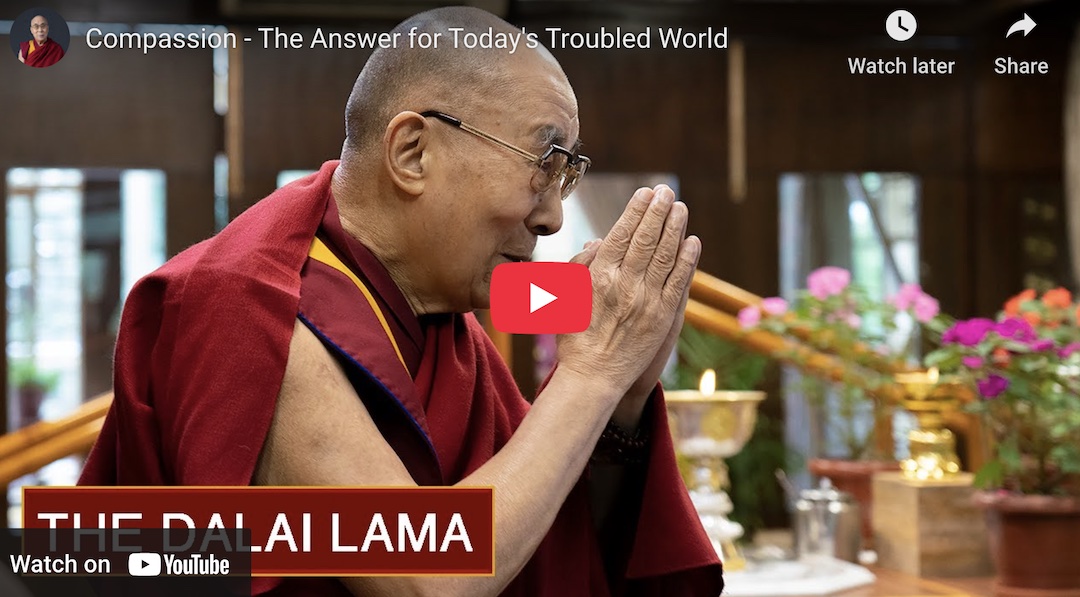
“Smile if you want a smile from another face.” This simple yet profound statement by the Dalai Lama encapsulates the essence of human connection and reciprocity. It suggests that our expressions and actions are not merely isolated phenomena; rather, they are invitations for others to engage with us in kind. In a world often marked by disconnection and misunderstanding, the act of smiling becomes a powerful tool for fostering warmth and compassion, reminding us that our emotional states can ripple outward, influencing those around us.
Delving deeper, this quote invites us to reflect on the nature of our interactions. A smile is not just a physical gesture; it is a reflection of our inner state and a catalyst for relational dynamics. When we choose to smile, we are not only expressing joy or friendliness but also opening a door to mutual understanding and connection. This teaching resonates profoundly in our daily lives, where the simple act of smiling can transform a mundane encounter into a moment of shared humanity, reminding us of the interconnectedness that binds us all.
The image / the metaphor
At its core, the quote presents a vivid image of reciprocity. The act of smiling is both an invitation and a response, a gesture that embodies the essence of human interaction. The choice of the verb "smile" is significant; it suggests an active engagement rather than a passive expectation. When we smile, we are not merely waiting for others to respond; we are taking the initiative to create a positive atmosphere, one that encourages others to mirror our openness and warmth.
Metaphorically, a smile can be seen as a bridge connecting two individuals. It transcends language and cultural barriers, serving as a universal sign of goodwill. In this way, the smile becomes a symbol of the potential for joy and connection that exists within every interaction. The act of smiling, therefore, is not just about personal happiness; it is a practice that can cultivate a more compassionate and harmonious world, one smile at a time.
In the speaker's tradition
Within the framework of Tibetan Buddhism, the Dalai Lama's teaching on smiling resonates deeply with the concepts of compassion (karuna) and loving-kindness (metta). These principles emphasize the importance of cultivating a heart that is open and receptive to others, fostering a sense of interconnectedness. The act of smiling can be seen as an expression of these virtues, a way of embodying the dharma that encourages us to engage with the world from a place of love and understanding.
Moreover, this teaching aligns with the Buddhist notion of sunyata, or emptiness, which invites us to recognize the interdependent nature of existence. When we smile, we acknowledge that our happiness is intertwined with the happiness of others. This perspective encourages us to move beyond self-centeredness and to engage in practices that promote collective well-being. In texts such as the "Bodhicaryavatara," the cultivation of a joyful heart is presented as essential for the path toward enlightenment, highlighting the transformative power of our interactions.
Living the teaching
Consider a modern scenario: you enter a crowded coffee shop, feeling the weight of the day on your shoulders. As you approach the counter, you notice the barista's tired expression. In that moment, you have a choice. By offering a genuine smile, you not only uplift your own spirit but also create an opportunity for connection. The barista, perhaps feeling the warmth of your gesture, may respond with a smile of their own, transforming the atmosphere of the space and fostering a moment of shared humanity amidst the busyness of life.
This teaching can also be applied in more intimate relationships. Imagine a disagreement with a loved one, where tensions run high and emotions are charged. In such moments, a simple smile can serve as a reminder of the love and connection that underlie the conflict. By choosing to smile, you signal a willingness to engage with compassion rather than defensiveness, creating a pathway toward resolution and understanding. This practice of smiling, even in challenging situations, can cultivate a deeper sense of empathy and connection, reinforcing the bonds that unite us.
A reflection
As we contemplate the Dalai Lama's invitation to smile, we are called to consider the impact of our expressions on the world around us. How might our own smiles serve as catalysts for connection and compassion in our daily lives? In what ways can we cultivate a practice of smiling, not just as a response to joy but as a deliberate choice to foster warmth and understanding? Reflecting on these questions can deepen our awareness of the interconnectedness that defines our shared human experience.