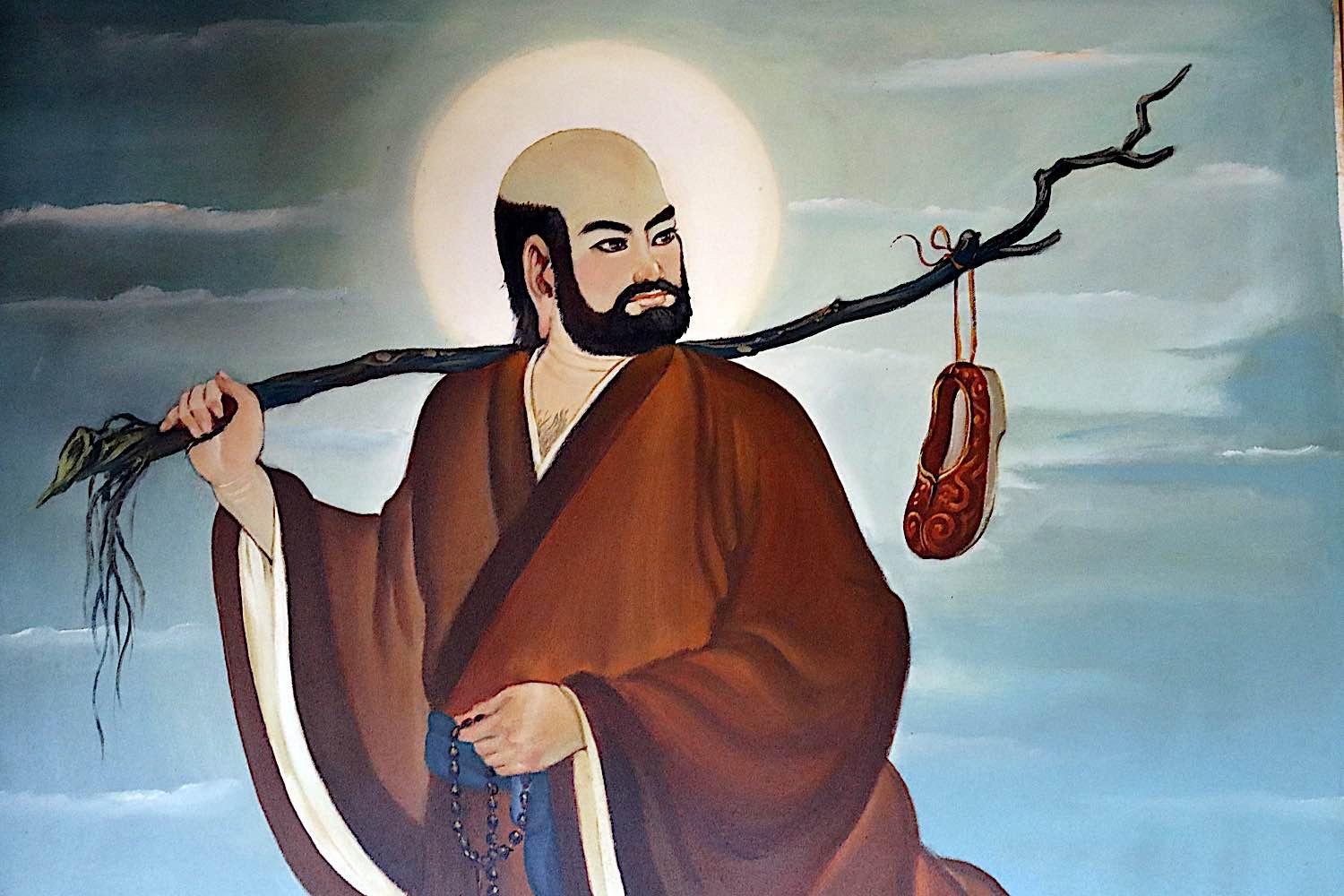
Bodhidharma's assertion that "Whether you understand or not, your nature is the buddha" invites us to explore the profound depths of our inherent essence. This statement suggests that regardless of our intellectual grasp or emotional readiness, the fundamental nature of our being is already aligned with the qualities of enlightenment. It challenges us to recognize that our true self is not contingent upon our understanding but is an intrinsic aspect of our existence. This realization holds significant implications for our spiritual journey, as it encourages us to look beyond the surface of our thoughts and feelings to discover the deeper truth of who we are.
In a world often dominated by the pursuit of knowledge and external validation, Bodhidharma's words serve as a gentle reminder of the simplicity and profundity of our true nature. The essence of being a buddha is not reserved for the enlightened few but is accessible to all, regardless of their current state of awareness. This teaching invites us to cultivate a sense of acceptance and compassion towards ourselves, recognizing that our struggles and misunderstandings do not diminish our inherent worth. Instead, they are part of the journey towards awakening, illuminating the path to realizing our buddha-nature.
The image / the metaphor
The imagery embedded in Bodhidharma's quote evokes the idea of a bud blossoming, suggesting that our true nature is like a flower waiting to unfold. The use of the word "bud" implies potential, a state of being that is not yet fully realized but is inherently present. This metaphor speaks to the process of awakening, where the layers of ignorance and misunderstanding gradually peel away to reveal the radiant essence of our being. The phrase "whether you understand or not" emphasizes that comprehension is not a prerequisite for this inherent nature; it exists independently of our cognitive faculties.
Diving deeper into this metaphor, we can see that the bud represents the latent qualities of wisdom, compassion, and clarity that reside within each of us. Just as a flower requires the right conditions to bloom, our buddha-nature needs nurturing through practice and awareness. The journey of self-discovery is akin to tending to a garden, where patience and care allow the bud to flourish into its full expression. This unfolding is not a linear process; it is a dance of growth, where moments of confusion and clarity coexist, ultimately leading us toward the realization of our true selves.
In the speaker's tradition
Bodhidharma, as the founder of Zen Buddhism, emphasizes the concept of buddha-nature as a fundamental aspect of human existence. This idea aligns with the broader Buddhist teachings on dharma, which refers to the natural order of the universe and the path to enlightenment. In Zen, the notion of kenosis, or self-emptying, resonates with the understanding that to realize our buddha-nature, we must let go of our attachments and preconceived notions. This process of emptying oneself allows the true essence to emerge, free from the constraints of ego and ignorance.
Living the teaching
Consider a modern scenario where a person grapples with feelings of inadequacy in their professional life. They may constantly seek validation through achievements, believing that their worth is contingent upon external success. In this context, Bodhidharma's teaching serves as a powerful reminder that their true nature as a buddha is not defined by accolades or recognition. By internalizing this wisdom, they can begin to shift their perspective, recognizing that their inherent value exists independently of their accomplishments. This realization can foster a sense of peace and acceptance, allowing them to approach their work with renewed clarity and purpose.
A reflection
As we contemplate Bodhidharma's profound statement, we are invited to reflect on our own understanding of self and the nature of our existence. How often do we find ourselves caught in the web of self-doubt or judgment, forgetting that our true essence is already complete? In moments of uncertainty, we can ask ourselves: What would it mean to embrace my inherent buddha-nature, regardless of my current understanding or circumstances? This question invites us to explore the depths of our being, encouraging a journey of self-discovery that transcends the limitations of our minds.
