

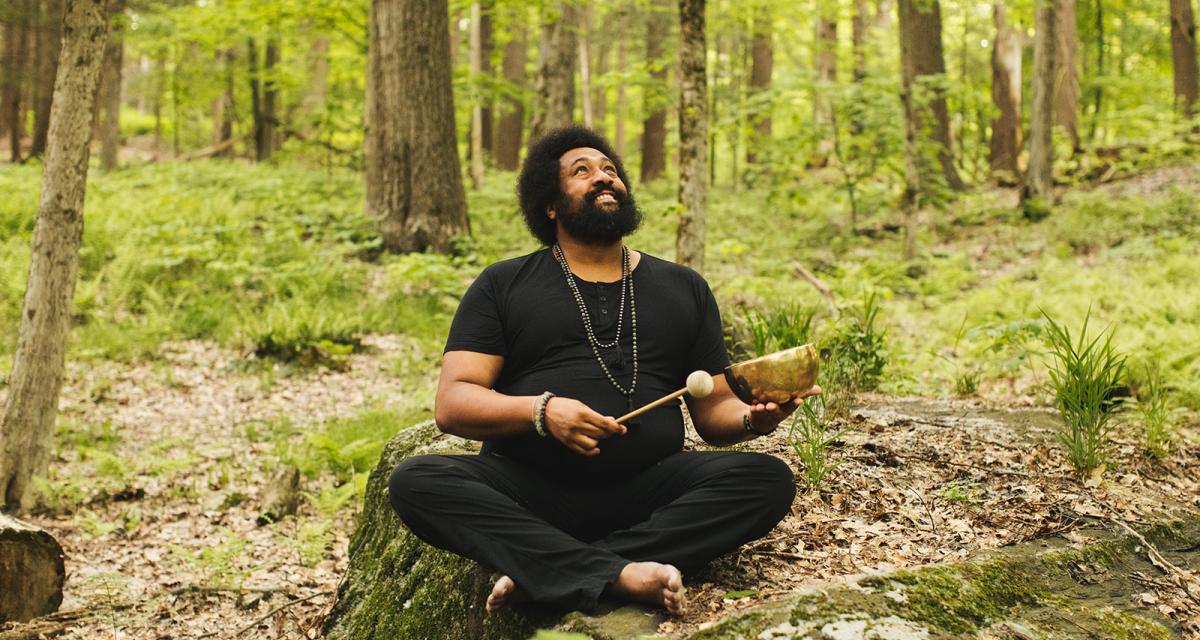


What is Transformational Wellness?
Transformational wellness refers to an approach to health and wellbeing that prioritizes fundamental shifts in consciousness, behavior, and self-understanding over temporary symptom relief. Unlike conventional wellness programs focused on discrete health outcomes—weight loss, stress reduction, fitness goals—transformational wellness positions these changes as byproducts of deeper work: examining belief systems, addressing unresolved emotional patterns, and cultivating awareness of the interconnection between body, mind, and spirit.
The term emerged in the early 21st century at the intersection of the modern wellness movement and humanistic/transpersonal psychology, though no single founder or canonical text defines it. Practitioners use “transformational” to distinguish their work from transactional wellness services—the yoga class, the massage, the supplement—by emphasizing sustained personal evolution.
Origins & Lineage
The modern wellness movement itself began when biostatistician Halbert L. Dunn introduced the term “wellness” in the Canadian Journal of Public Health in 1959, proposing “high-level wellness” as distinct from mere absence of disease. Dunn’s 1961 book High-Level Wellness inspired physician John Travis, who launched the first wellness center in Mill Valley, California, offering programs that taught clients to “relax, experience themselves, remove barriers, improve communication skills, enhance creativity, envision desired outcomes.”
From the mid-20th century onward, wellness concepts took root within the counterculture movements of the 1960s and 1970s, then became absorbed into popular culture during the 1980s, reflecting broader trends toward self-care, preventative health, and personal empowerment. The New Age movement of the 1970s promoted personal transformation and self-discovery, advocating a universalist approach to spirituality that drew from both Eastern philosophies and Western esoteric practices.
The specific compound “transformational wellness” appears to have emerged organically in the 1990s and 2000s as practitioners—bodyworkers, therapists, coaches, retreat facilitators—sought language to describe work that integrated somatic practices, psychological inquiry, and spiritual exploration. It represents synthesis rather than invention: a label applied to existing modalities when arranged toward the goal of lasting personal change.
How It’s Practiced
Transformational wellness encompasses a wide range of modalities, typically combined in individualized programs lasting weeks to months. Common elements include:
Somatic practices: therapeutic bodywork, breathwork, yoga, qigong, dance/movement therapy—practices that work through the body to access and release stored emotional patterns and trauma.
Psychological inquiry: individual or group therapy, journaling, shadow work, identifying limiting beliefs and behavioral patterns rooted in family systems or past trauma.
Mindfulness and meditation: practices cultivating present-moment awareness, emotional regulation, and the capacity to observe thoughts without identification.
Energy work: modalities like Reiki, acupuncture, sound healing, and craniosacral therapy that work with subtle body systems.
Lifestyle restructuring: examining and altering relationships, work patterns, living environments, and daily routines to align with emerging values and self-understanding.
Practitioners typically begin with an intake assessment, then design protocols addressing physical symptoms while simultaneously exploring their psychological and emotional roots. A client presenting with chronic back pain, for example, might receive bodywork while also examining where in their life they feel “unsupported,” what responsibilities they carry that aren’t theirs, or how their posture reflects emotional guarding.
Transformational Wellness Today
Contemporary seekers encounter transformational wellness through:
Private practices: individual practitioners offering one-on-one sessions combining multiple modalities (massage therapy with trauma-informed coaching, for example).
Retreat centers: week-long or multi-week immersive programs, often at destination locations, combining workshops, bodywork, meditation, and integration practices.
Wellness centers: brick-and-mortar facilities offering classes, workshops, and individual sessions under one roof.
Online programs: video-based courses, virtual coaching, and remote group work, which expanded significantly during and after the COVID-19 pandemic.
The global wellness economy reached $6.8 trillion in 2024, and transformational approaches represent a growing segment, particularly among clients seeking alternatives to conventional mental health treatment or those who have “tried everything” for chronic physical conditions without relief.
Common Misconceptions
Transformational wellness is not a regulated profession or trademarked method. No certification body, professional organization, or standardized curriculum exists. Anyone can describe their work as “transformational,” leading to wide variance in practitioner training, ethical standards, and treatment efficacy.
It is not a replacement for medical or psychiatric care. While some practitioners position their work as an alternative to conventional treatment, responsible practitioners work collaboratively with physicians and mental health professionals, particularly for clients with serious conditions.
It is not always faster or easier than conventional approaches. Despite marketing language suggesting rapid breakthroughs, meaningful change typically requires sustained commitment over months or years. The “transformation” is ongoing rather than a discrete endpoint.
It is not immune to commercialization or pseudoscience. The wellness industry’s growth has attracted practitioners making unsubstantiated claims, selling expensive programs with little evidence base, or appropriating Indigenous practices without training or cultural authorization.
How to Begin
Those curious about transformational wellness might:
Start with established modalities: Rather than seeking “transformational wellness” generically, explore specific evidence-based practices with clear lineages—somatic experiencing, Internal Family Systems therapy, mindfulness-based stress reduction, trauma-informed yoga.
Seek qualified practitioners: Look for licensure in a primary modality (licensed massage therapist, licensed professional counselor, certified yoga teacher) plus additional training in trauma-informed practice or somatic psychology.
Read foundational texts: Bessel van der Kolk’s The Body Keeps the Score (on trauma and somatic healing), Gabor Maté’s When the Body Says No (on stress and disease), Peter Levine’s Waking the Tiger (on somatic experiencing), or Richard Schwartz’s Internal Family Systems provide frameworks for understanding body-mind integration without overpromising.
Try shorter commitments first: Attend a weekend workshop, book a single session, or join a six-week course before committing to expensive long-term programs or retreats.
Remain discerning: Be wary of practitioners who discourage medical treatment, make guarantees about outcomes, have no clear training credentials, or use high-pressure sales tactics.