
What is Tollywood?
Tollywood is the common name for the Telugu-language film industry, primarily based in Hyderabad, Telangana, India. The portmanteau combines “Telugu” and “Hollywood,” reflecting both its linguistic foundation and its status as a major global cinema hub. Tollywood produces more films annually than most national film industries worldwide, creating content primarily for the 85 million Telugu speakers across Andhra Pradesh, Telangana, and the global Telugu diaspora. The industry is characterized by its distinct narrative styles, elaborate dance sequences, devotional themes, and increasingly sophisticated visual effects that blend traditional storytelling with contemporary cinematic techniques.
Origins & Lineage
Telugu cinema’s documented history begins with Raghupathi Venkaiah Naidu, often called the father of Telugu cinema, who established a film studio in Madras (now Chennai) in 1909. The first Telugu silent film, Bhishma Pratigna, directed by Raghupathi Venkaiah, was released in 1921. The industry’s foundational work is Bhakta Prahlada (1932), directed by H.M. Reddy—the first Telugu talkie, which established the template of mythological narratives drawn from Hindu epics that would dominate early Telugu cinema.
The 1950s through 1980s are considered the golden age, marked by filmmakers like B.N. Reddy, L.V. Prasad, and Adurthi Subba Rao, who created socially conscious cinema alongside commercial entertainers. Actors N.T. Rama Rao and Akkineni Nageswara Rao became cultural icons during this period. The term “Tollywood” itself gained currency in the 1980s and 1990s as the industry consolidated its production base in Hyderabad, particularly around the Ramoji Film City complex, which opened in 1996 and became one of the world’s largest integrated film studio complexes.
How It’s Practiced
Tollywood filmmaking follows a distinctive production model that combines industrial scale with cultural specificity. Films typically feature extended musical sequences choreographed by specialized dance directors, with playback singers recording songs that often become popular before the film’s release. The industry maintains a star system where lead actors—particularly male action heroes—command enormous cultural influence and often transition into political careers, following the precedent set by N.T. Rama Rao, who became Chief Minister of Andhra Pradesh.
The cinematic style emphasizes heightened emotional registers, with melodramatic performances considered a mark of artistic skill rather than excess. Action sequences often incorporate wirework and CGI to create larger-than-life spectacles. Devotional elements remain prominent, with many films opening with temple sequences or incorporating bhakti (devotional) themes, reflecting the cultural values of the primary audience.
Production budgets have escalated dramatically since 2015, with films like Baahubali: The Beginning (2015) and Baahubali 2: The Conclusion (2017), directed by S.S. Rajamouli, achieving pan-Indian and international distribution. Contemporary Tollywood increasingly employs international technical crews for visual effects while maintaining distinctly Telugu narrative sensibilities.
Tollywood Today
Contemporary Tollywood occupies a unique position in global cinema, producing 200-250 films annually while achieving increasing crossover success beyond Telugu-speaking regions. Films are now routinely dubbed into Hindi, Tamil, Malayalam, and Kannada, with some achieving simultaneous multilingual releases. Streaming platforms like Netflix, Amazon Prime Video, and regional services have expanded Tollywood’s global reach, introducing international audiences to Telugu cinema’s aesthetic.
The industry has diversified beyond mythological and mass-action genres to include psychological thrillers, intimate dramas, and experimental narratives, though commercial “masala” films remain economically dominant. Directors like Trivikram Srinivas, Koratala Siva, and Sukumar have developed distinctive authorial voices within commercial frameworks.
Tollywood’s influence extends beyond film into music, fashion, and cultural identity formation for Telugu communities worldwide. Major releases function as cultural events, with premieres triggering elaborate fan celebrations and social media phenomena.
Common Misconceptions
Tollywood is frequently confused with Kollywood (Tamil cinema) or conflated with “Bollywood” as a generic term for Indian cinema. Telugu and Hindi film industries operate independently with distinct languages, aesthetic traditions, and distribution networks, though some stars and technical personnel work across industries.
The assumption that Tollywood only produces escapist entertainment overlooks its significant body of socially engaged cinema, particularly from the 1950s-1970s, addressing caste discrimination, land reform, and women’s autonomy. Films like Mala Pilla (1938) and Malliswari (1951) pioneered progressive narratives within commercial formats.
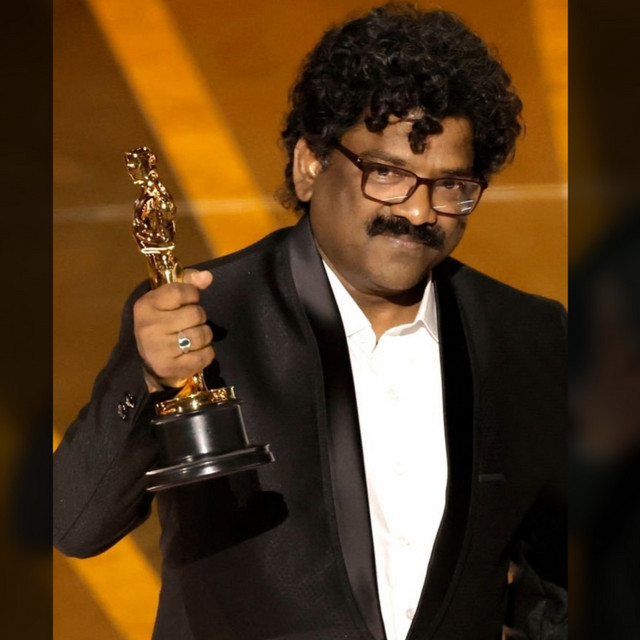
The perception that Telugu films are “low-budget” or technically unsophisticated has been conclusively overturned by recent productions matching or exceeding international technical standards. RRR (2022), directed by S.S. Rajamouli, won the Academy Award for Best Original Song and grossed over ₹1,200 crore globally, demonstrating Tollywood’s competitive capabilities.
How to Begin
New audiences seeking to understand Tollywood should begin with landmark accessible works that represent different eras and styles. Mayabazar (1957), directed by Kadiri Venkata Reddy, remains the gold-standard mythological film, combining Hindu epic narratives with sophisticated cinematography. For contemporary commercial cinema, Baahubali: The Conclusion (2017) offers an entry point that requires no prior cultural knowledge while showcasing Tollywood’s narrative and visual ambitions.
Those interested in the industry’s artistic range should explore Shankarabharanam (1980), a Carnatic music-centered drama directed by K. Viswanath, or Arjun Reddy (2017), Sandeep Reddy Vanga’s intense psychological drama that was remade in Hindi as Kabir Singh. Documentary series on Telugu cinema history, available through streaming platforms, provide historical context. Following major stars like Mahesh Babu, Prabhas, or Allu Arjun on social media offers insight into the fan culture integral to understanding Tollywood’s social function.