
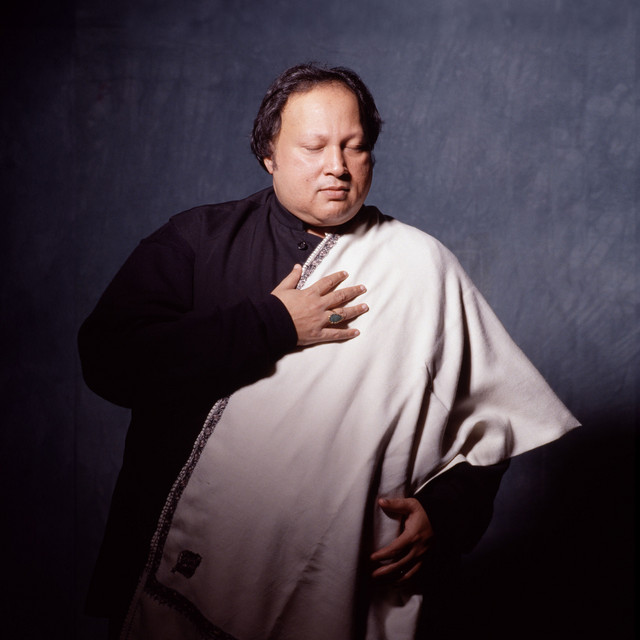


What is Swami Bhajanananda Saraswati?
Swami Bhajanananda Saraswati is a monk of the Ramakrishna Order who has contributed to the scholarly interpretation of Advaita Vedanta and its intersection with modern scientific disciplines. Unlike many contemporary spiritual teachers who focus primarily on popular dissemination, Swami Bhajanananda has devoted much of his work to rigorous comparative studies between Eastern contemplative traditions and Western psychology, particularly exploring the phenomenology of mystical experience and altered states of consciousness. His writings appear frequently in academic journals and publications of the Ramakrishna Mission, where he has served as a resident monk and scholar.
Origins & Lineage
Swami Bhajanananda belongs to the Ramakrishna Order, a monastic organization founded in 1897 by Swami Vivekananda following the death of his teacher, Sri Ramakrishna Paramahamsa (1836–1886). The order traces its spiritual lineage through Ramakrishna, who taught the harmony of all religions and practiced disciplines from multiple traditions including Vedanta, Tantra, and bhakti yoga. Members of the order receive initiation into sannyasa (renunciation) and adopt the surname “Saraswati,” indicating membership in one of the ten traditional orders established by Adi Shankaracharya in the 8th century.
Swami Bhajanananda took sannyasa vows within this tradition and has been associated primarily with the Ramakrishna Mission’s scholarly and educational activities. The Ramakrishna Order maintains over 200 centers worldwide and combines monastic discipline with social service, education, and philosophical inquiry. Unlike purely contemplative orders, Ramakrishna monks often engage in teaching, research, and publication as forms of spiritual practice.
How It’s Practiced
As a swami in the Ramakrishna tradition, Bhajanananda’s practice includes daily meditation, study of sacred texts (particularly the Upanishads, Bhagavad Gita, and works of Ramakrishna and Vivekananda), and adherence to monastic vows of celibacy, poverty, and service. His particular contribution has been through scholarly writing rather than leading large public gatherings or offering guru-disciple relationships in the traditional sense.
His research methodology involves close textual analysis of Sanskrit sources alongside engagement with scientific literature on consciousness, particularly the work of William James, Carl Jung, and contemporary neuroscientists studying meditation. This interdisciplinary approach reflects Vivekananda’s vision of demonstrating the compatibility between Vedantic insights and empirical investigation.
Swami Bhajanananda Saraswati Today
Currently, seekers encounter Swami Bhajanananda’s work primarily through written publications rather than personal instruction. His essays have appeared in Prabuddha Bharata (the English-language monthly journal of the Ramakrishna Order published since 1896) and in collected volumes on Vedanta, mysticism, and the philosophy of consciousness. His writings are cited in academic discussions of comparative mysticism and East-West philosophical dialogue.
Unlike celebrity spiritual teachers, Swami Bhajanananda maintains the traditional low public profile characteristic of scholarly monks. The Ramakrishna Order does not emphasize individual guru personalities; instead, the collective teaching lineage takes precedence. Those interested in his perspective typically access it through mission publications or lectures delivered at Ramakrishna centers rather than through dedicated retreats or teacher-student relationships.
Common Misconceptions
Swami Bhajanananda is not a guru in the sense of offering personal initiation or maintaining a distinct following separate from the Ramakrishna Order. His role is closer to that of a research scholar within a monastic institution than a charismatic spiritual leader. His work does not promise quick enlightenment experiences or simplified techniques for modern life; instead, it requires engagement with complex philosophical texts and sustained contemplative practice.
Additionally, while he writes about mystical experience, his approach is analytical and comparative rather than confessional. He examines the structure and phenomenology of spiritual states across traditions rather than offering personal testimony or prescriptive spiritual advice.
How to Begin
Those interested in Swami Bhajanananda’s work should start by reading issues of Prabuddha Bharata, which archives are available through Ramakrishna Mission centers and online. His essays on topics like “The Dimensions of Consciousness” and analyses of Ramakrishna’s spiritual experiences provide accessible entry points. For broader context, reading Swami Vivekananda’s Complete Works (particularly the Jnana Yoga and Raja Yoga volumes) establishes the philosophical framework within which Bhajanananda operates.
Visiting a local Ramakrishna Vedanta center offers exposure to the tradition’s approach to meditation, study, and service. These centers typically offer classes on the Upanishads, Bhagavad Gita, and the teachings of Ramakrishna and Vivekananda, providing the foundational knowledge necessary to appreciate Bhajanananda’s more specialized scholarly contributions.