

What is Sound Artist?
A sound artist is a creative practitioner who employs sound, music, acoustic phenomena, and vibrational frequencies as their principal artistic medium. Unlike traditional musicians who primarily focus on melody, harmony, and rhythm within established musical forms, sound artists investigate the broader spectrum of auditory experience—including noise, silence, spatial acoustics, psychoacoustic effects, and the physiological and psychological impacts of sound on human consciousness. Within spiritual and healing contexts, sound artists often work with intention to create immersive sonic environments that facilitate meditation, altered states of awareness, emotional release, or somatic healing.
The practice sits at the intersection of multiple disciplines: experimental music, acoustic ecology, sound healing, installation art, and contemplative practice. Sound artists may work with traditional instruments (singing bowls, gongs, drums), electronic synthesis, field recordings, the human voice, or found objects. What distinguishes their practice is the primacy given to sound itself as both medium and subject, rather than as accompaniment to other art forms.
Origins & Lineage
The contemporary sound art movement emerged in the mid-20th century, drawing from several lineages. Experimental composers like John Cage, whose 1952 composition 4’33" challenged listeners to perceive ambient sound as music, and Pauline Oliveros, who developed Deep Listening practices in the 1970s combining sonic awareness with meditation, established foundational concepts. The Fluxus movement of the 1960s further dissolved boundaries between music, performance, and conceptual art.
Simultaneously, ancient healing traditions using sound experienced revival and Western adaptation. Tibetan singing bowl practices, which trace to pre-Buddhist Bon traditions and Buddhist ritual use dating to at least the 8th century CE, became widely available in the West during the 1970s. Indigenous ceremonial practices involving drumming, rattles, and vocal toning—found across cultures from Siberian shamanism to Aboriginal songlines—informed contemporary sound healing approaches.
The 1980s saw increasing cross-pollination as figures like Don Campbell popularized concepts like the “Mozart Effect,” while Jonathan Goldman and others formalized training in sound healing modalities. By the 1990s, electronic music pioneers such as Robert Rich and Steve Roach were creating extended “sleep concerts” and ambient works explicitly designed for consciousness exploration, merging technological innovation with contemplative intention.
How It’s Practiced
Sound artists work across diverse contexts and methodologies. In gallery and installation settings, artists create site-specific works that transform architectural spaces through carefully designed acoustic interventions—multi-channel speaker arrays, resonant sculptures, or participatory sound environments. These works invite sustained listening and bodily awareness of sonic phenomena.
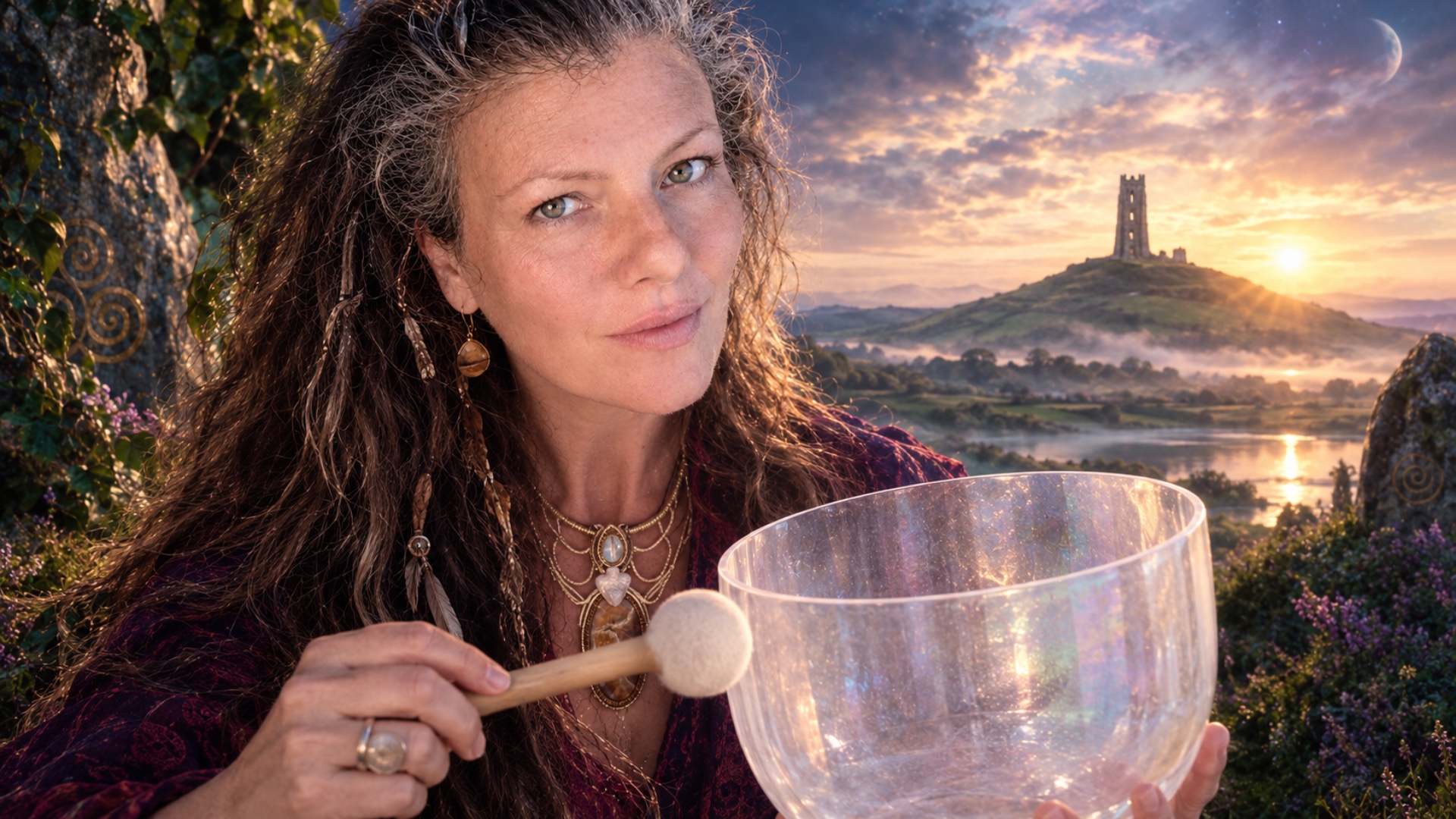
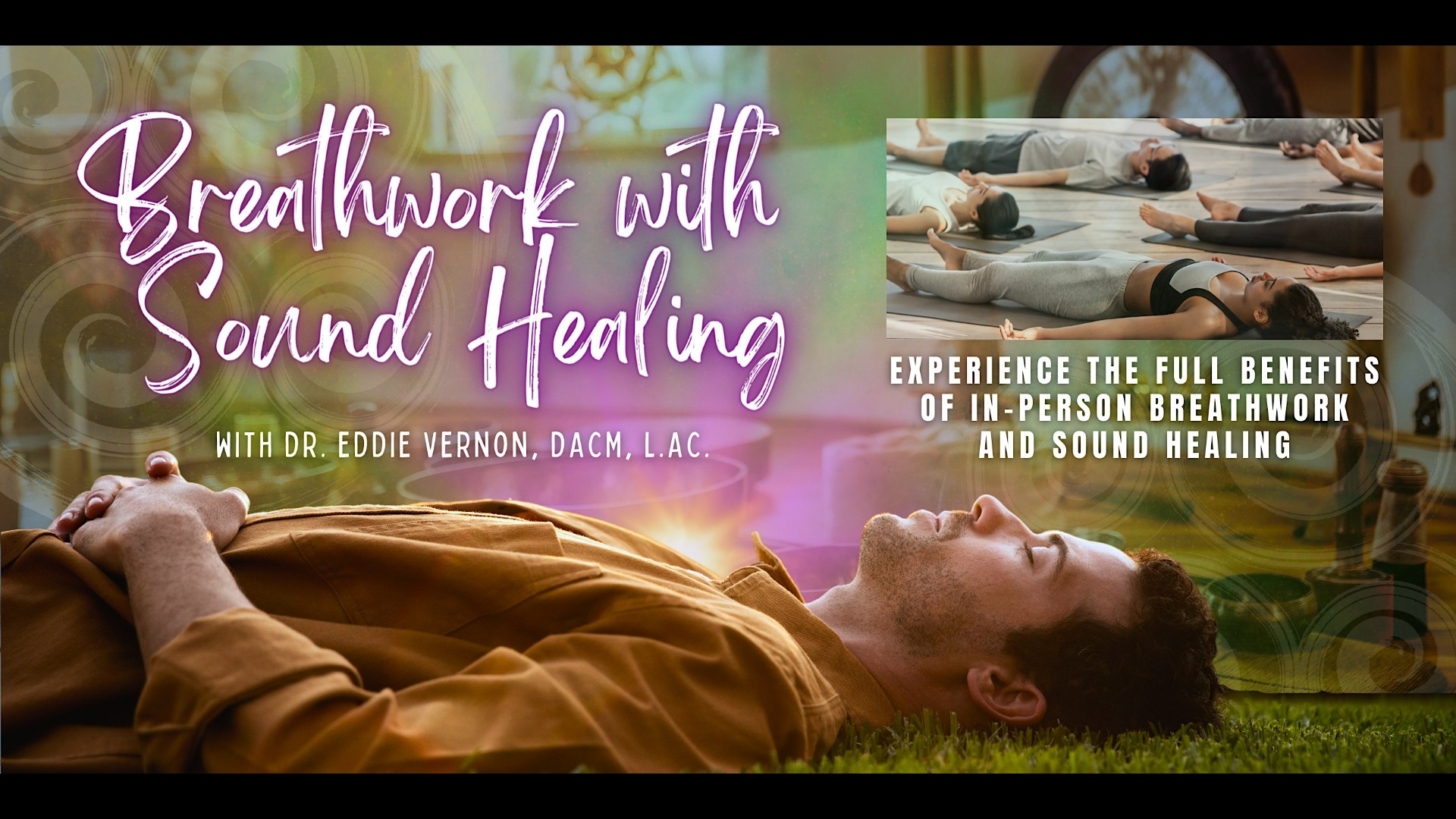
In healing and ceremonial contexts, sound artists facilitate “sound baths” or “sound journeys”—typically 60-90 minute sessions where participants lie down while the practitioner plays instruments sequentially or in layered combinations. Common instruments include crystal and Himalayan singing bowls, gongs (particularly the large tam-tam gongs and planetary-tuned gongs), chimes, drums, voice, and sometimes electronic drones or field recordings. Practitioners often describe working with harmonic overtones, binaural beats, and specific frequencies believed to correspond with chakras or brainwave states.
Recording-based sound artists create albums and sonic compositions for personal meditation practice, therapeutic settings, or artistic listening. Some emphasize field recordings of natural environments; others construct synthesized soundscapes; many combine approaches. The creative process typically involves deep listening, experimentation with acoustic properties, and iterative refinement based on the artist’s sensory and intuitive responses.
Sound Artist Today
Seekers encounter sound artists through multiple channels. Yoga studios, meditation centers, and wellness spaces regularly host sound healing sessions. Dedicated sound bath studios have emerged in urban areas since the 2010s. Festivals focused on conscious community—such as Bhakti Fest, Lightning in a Bottle, and regional transformational gatherings—feature sound healing zones and performances.
Online platforms provide access to recorded work through streaming services, with albums specifically labeled for sleep, meditation, or healing. Training programs certifying sound healers have proliferated, though no universal standards exist. Some programs emphasize traditional lineages (Tibetan bowl techniques, Nada Yoga), while others teach eclectic contemporary approaches.
Museums and contemporary art venues exhibit sound installations, while academic programs in sound art have been established at institutions including the School of the Art Institute of Chicago and Dartmouth College.
Common Misconceptions
Sound art is not synonymous with music therapy, which is a licensed clinical profession requiring specific academic credentials and employing evidence-based protocols within healthcare settings. While some sound artists draw from therapeutic intentions, most operate as artists or spiritual facilitators rather than medical practitioners.
The practice is not inherently tied to specific frequencies having universal healing properties. While practitioners often reference concepts like “432 Hz” or “Solfeggio frequencies,” these claims lack consistent scientific support. Experienced practitioners acknowledge that responses to sound are highly individual and context-dependent.
Sound healing is not a replacement for medical or psychological treatment. Reputable practitioners position their work as complementary—supporting relaxation, stress reduction, and contemplative states—not as cures for diagnosed conditions.
Finally, sound art is not simply ambient music or background sound. It demands active, attentive listening and often challenges conventional aesthetic expectations.
How to Begin
For those interested in experiencing sound art, attend a local sound bath or sound healing session to understand the embodied, vibrational dimension of the practice. Many yoga studios and wellness centers offer introductory sessions.
To explore the artistic lineage, listen to foundational recordings: Pauline Oliveros’s Deep Listening (1989), Éliane Radigue’s electronic drone works, or Alvin Lucier’s I Am Sitting in a Room (1969). For healing-oriented work, explore recordings by Jonathan Goldman, Laraaji, or contemporary artists like East Forest.
Read Pauline Oliveros’s Deep Listening: A Composer’s Sound Practice (2005) for philosophical grounding, or Jonathan Goldman’s Healing Sounds (1992) for an introduction to sound healing concepts.
Those interested in creating sound art might begin with simple practices: sustained vocal toning, recording environmental sounds, or experimenting with resonant objects. Community classes in overtone singing, gong playing, or electronic music production provide structured entry points.