What is Concerto?
A concerto is a formal musical composition, typically in three movements, written for one or more solo instruments accompanied by an orchestra. The form is defined by its interplay between the soloist—who performs virtuosic, technically demanding passages—and the orchestral ensemble, which provides harmonic support, thematic development, and dramatic contrast. Unlike a symphony, where all instruments share relatively equal weight, the concerto elevates individual expression within a collective framework, creating a musical conversation between the one and the many.
The standard concerto follows a fast-slow-fast movement structure: an opening Allegro in sonata form, a lyrical slow movement (Adagio or Andante), and a spirited finale (often a Rondo). The first movement typically features a double exposition—one for the orchestra, one for the soloist—and includes a cadenza, an unaccompanied passage where the soloist improvises or performs a written virtuosic display.
Origins & Lineage
The term “concerto” derives from the Italian concertare, meaning either “to compete” or “to come to agreement”—a duality that captures the form’s essence. The earliest concertos emerged in late 17th-century Italy. Arcangelo Corelli (1653–1713) and Giuseppe Torelli (1658–1709) developed the concerto grosso, which contrasted a small group of soloists (concertino) against the full orchestra (ripieno).
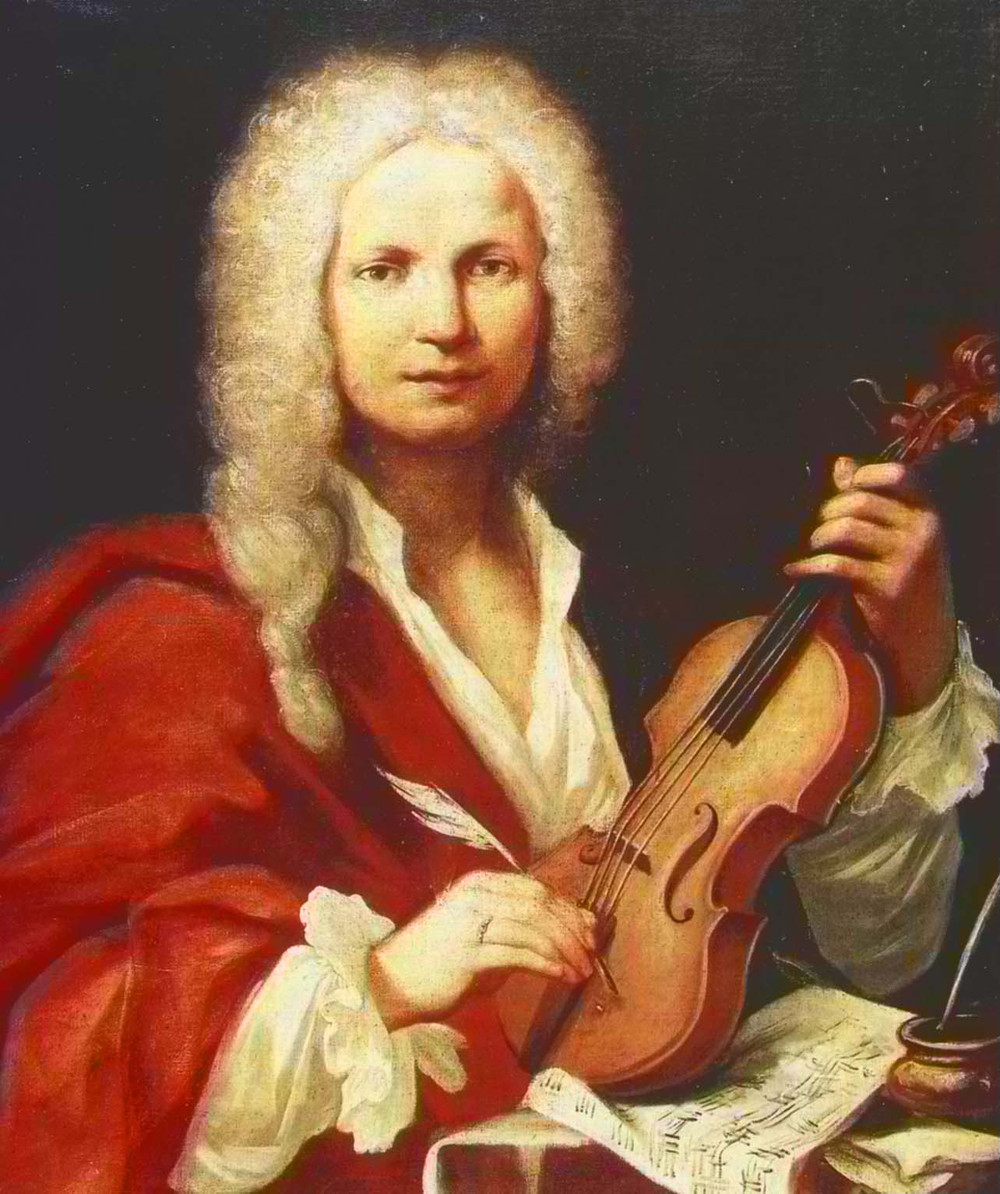
Antonio Vivaldi (1678–1741) standardized the three-movement solo concerto format around 1710, composing over 500 concertos—including The Four Seasons (1723)—that established the ritornello form (recurring orchestral themes alternating with solo episodes). Johann Sebastian Bach adopted and expanded Vivaldi’s model in his Brandenburg Concertos (1721) and violin concertos.
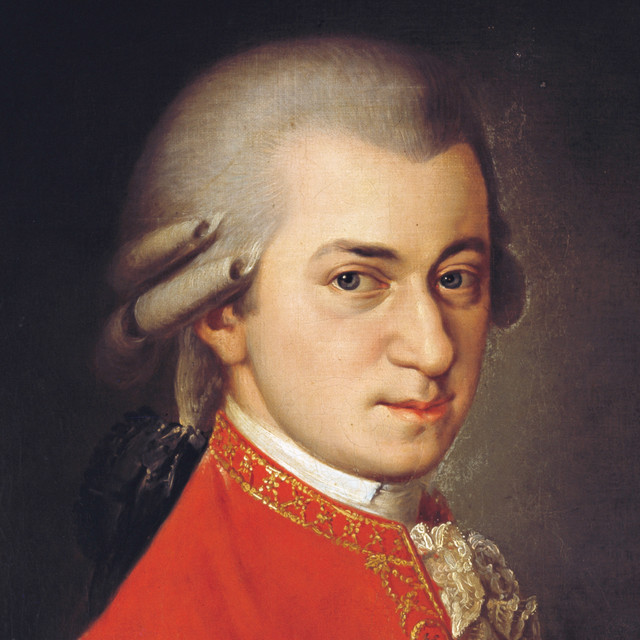
The Classical era (1750–1820) refined the form through Wolfgang Amadeus Mozart, who composed 27 piano concertos that balanced virtuosity with lyrical depth, and Ludwig van Beethoven, whose five piano concertos expanded emotional range and structural ambition. The Romantic period (1820–1900) emphasized technical brilliance and emotional expression through works by composers including Felix Mendelssohn, Johannes Brahms, Pyotr Ilyich Tchaikovsky, and Sergei Rachmaninoff.
Twentieth-century composers—Béla Bartók, Dmitri Shostakovich, Samuel Barber, and John Adams among them—adapted the form to modernist and postmodern idioms while preserving its fundamental dialogue structure.
How It’s Practiced
A concerto is experienced through live performance or recording. In concert settings, the soloist enters after the orchestra’s opening tutti, often positioned at center stage with a grand piano or standing before the ensemble with violin, cello, or other instrument. The audience witnesses both technical mastery—rapid scales, arpeggios, double stops, extended techniques—and interpretive artistry as the performer shapes phrases, dynamics, and timing.
The cadenza serves as the concerto’s dramatic apex: the orchestra pauses, and the soloist performs alone, weaving together the movement’s themes in a display of improvisatory brilliance (though modern cadenzas are usually pre-composed). The soloist signals the orchestra’s re-entry with a trill or sustained note.
Rehearsals require intensive collaboration between soloist and conductor to balance volume, tempo, and interpretive vision. Professional soloists typically maintain a repertoire of 10–20 concertos, memorized and performance-ready.
Concerto Today
Contemporary audiences encounter concertos primarily in symphony orchestra seasons, where they anchor subscription programs alongside symphonic works. Major soloists tour internationally, performing the same concerto with different orchestras across continents. Summer music festivals—Tanglewood, Aspen, Verbier—feature concerto performances in intimate outdoor settings.
Recordings preserve canonical interpretations: Arthur Rubinstein’s Chopin concertos, Jascha Heifetz’s Sibelius Violin Concerto, Jacqueline du Pré’s Elgar Cello Concerto. Streaming platforms provide access to hundreds of versions of popular concertos, allowing listeners to compare interpretive approaches.
Conservatory students train in concerto repertoire as the culmination of instrumental study, often performing a concerto for graduation recitals. Youth orchestras feature winners of concerto competitions as guest soloists, providing emerging artists their first orchestral experience.
Contemporary composers continue writing concertos—Esa-Pekka Salonen, Thomas Adès, Jennifer Higdon—though the form’s conventions are increasingly flexible, incorporating electronics, extended techniques, and non-Western instruments.
Common Misconceptions
A concerto is not a solo recital; the orchestra is an essential partner, not mere accompaniment. The form requires genuine dialogue and balance, not simply a spotlight for virtuosity.
Not all concertos follow the three-movement structure. Bach’s keyboard concertos sometimes include four movements; some 20th-century concertos are single-movement works. The presence of an orchestra is the defining feature, not the movement count.
The term “piano concerto” refers to the composition itself, not a type of piano. Any concert grand can perform a concerto given proper tuning and maintenance.
Listening to a concerto does not require formal music education or the ability to read notation. The emotional arc and conversational structure are accessible to attentive ears regardless of technical knowledge.
How to Begin
New listeners should start with concertos known for immediate melodic appeal and dramatic clarity. Mozart’s Piano Concerto No. 21 (K. 467, second movement), Rachmaninoff’s Piano Concerto No. 2, and Vivaldi’s The Four Seasons offer accessible entry points with strong thematic material.
Attend a live performance when possible; the physical presence of 60–80 musicians and the acoustic reality of an unamplified soloist provide context recordings cannot capture. Many orchestras offer pre-concert talks explaining the concerto’s structure and historical context.
For deeper study, Robert Philip’s The Classical Music Lover’s Companion to Orchestral Music and Jan Swafford’s Language of the Spirit: An Introduction to Classical Music provide accessible historical and analytical frameworks. The Naxos and Hyperion labels offer high-quality recordings across the concerto repertoire at modest cost.