BrightStar

Browse All Events

Discover conscious gatherings

events

Yoga
Meditation
Breathwork
Qigong
Tai Chi
Sacred Music
World Music
Medicine Music
Sound Healing
Ecstatic Dance
Popular Destinations
BaliSedonaLos AngelesCosta RicaNew YorkSan FranciscoAustinMiamiJoshua TreeTulum
View All CategoriesView All Destinations

Explore All Features

Powerful tools to grow your events

Platform Features

Smart Dynamic Pricing
Ticket Categories
Assigned Seating
Abandoned Cart Recovery
Visitor Recovery
Donations & Sliding Scale
Affiliate Engine
Ticket Scanner
Coupon Codes
Custom Questions
Ticket Sharing
Upsells & Add-ons
Analytics & Reporting
Email Sequences
Waitlist / Notify / Remind
People & Places
Artists & TeachersEvent OrganizersVenues & StudiosKnowledge BaseGlossaryInspiration
View All FeaturesAbout Us
PricingBlog
Browse All Events

events

YogaMeditationBreathworkQigongTai ChiSacred MusicWorld MusicMedicine Music

Popular Destinations

BaliSedonaLos AngelesCosta RicaNew YorkSan Francisco

People & Places

Artists & TeachersEvent OrganizersVenues & StudiosKnowledge BaseGlossaryInspiration

Platform Features

Smart Dynamic PricingTicket CategoriesAssigned SeatingAbandoned Cart RecoveryVisitor RecoveryDonations & Sliding ScaleAffiliate EngineTicket ScannerCoupon CodesCustom QuestionsTicket SharingUpsells & Add-onsAnalytics & ReportingEmail SequencesWaitlist / Notify / Remind
View All FeaturesAbout Us
PricingBlog
Log inFind EventsHost Events
Tibetan BuddhistOm Mani Padme Hum · Om Mani Padme Hum · Om Mani Padme Hum · Om Mani Padme Hum ·
  • Browse All Events
  • For Seekers
  • Yoga
  • Meditation
  • Breathwork
  • Qigong
  • Tai Chi
  • Sacred Music
  • Retreats
  • Workshops
  • All Categories →
  • Bali
  • Sedona
  • Los Angeles
  • Costa Rica
  • Tulum
  • Byron Bay
  • San Francisco
  • Austin
  • All Cities →
  • For Creators
  • For Writers
  • For Teachers
  • For Kirtan Artists
  • For Studios
  • For Festivals
  • For Retreat Centers
  • For Nonprofits
  • Brand Ambassador
  • Case Studies
  • 350K+ Buyer Network
  • Abandoned Cart Recovery
  • Smart Dynamic Pricing
  • Ticket Categories
  • Recurring Events
  • Assigned Seating
  • Affiliate Engine
  • Waitlist / Notify
  • Ticket Scanner
  • Embed Widget
  • All Features →
  • About
  • Blog
  • Glossary
  • Inspiration
  • Help Center
  • Contact
  • API Docs
  • Brand Assets
  • Careers
  • Press
  • Terms of Service
  • Privacy Policy

Events

  • Browse All Events
  • For Seekers
  • Yoga
  • Meditation
  • Breathwork
  • Qigong
  • Tai Chi
  • Sacred Music
  • Retreats
  • Workshops
  • All Categories →

Destinations

  • Bali
  • Sedona
  • Los Angeles
  • Costa Rica
  • Tulum
  • Byron Bay
  • San Francisco
  • Austin
  • All Cities →

For Creators

  • For Creators
  • For Writers
  • For Teachers
  • For Kirtan Artists
  • For Studios
  • For Festivals
  • For Retreat Centers
  • For Nonprofits
  • Brand Ambassador
  • Case Studies

Features

  • 350K+ Buyer Network
  • Abandoned Cart Recovery
  • Smart Dynamic Pricing
  • Ticket Categories
  • Recurring Events
  • Assigned Seating
  • Affiliate Engine
  • Waitlist / Notify
  • Ticket Scanner
  • Embed Widget
  • All Features →

Company

  • About
  • Blog
  • Glossary
  • Inspiration
  • Help Center
  • Contact
  • API Docs
  • Brand Assets
  • Careers
  • Press
  • Terms of Service
  • Privacy Policy
BrightStar
© 2026 BrightStar. All rights reserved.
Back to Ekam
History

The History of Ekam

3 min readMay 2026at Ekam
The History of Ekam

The History of Ekam

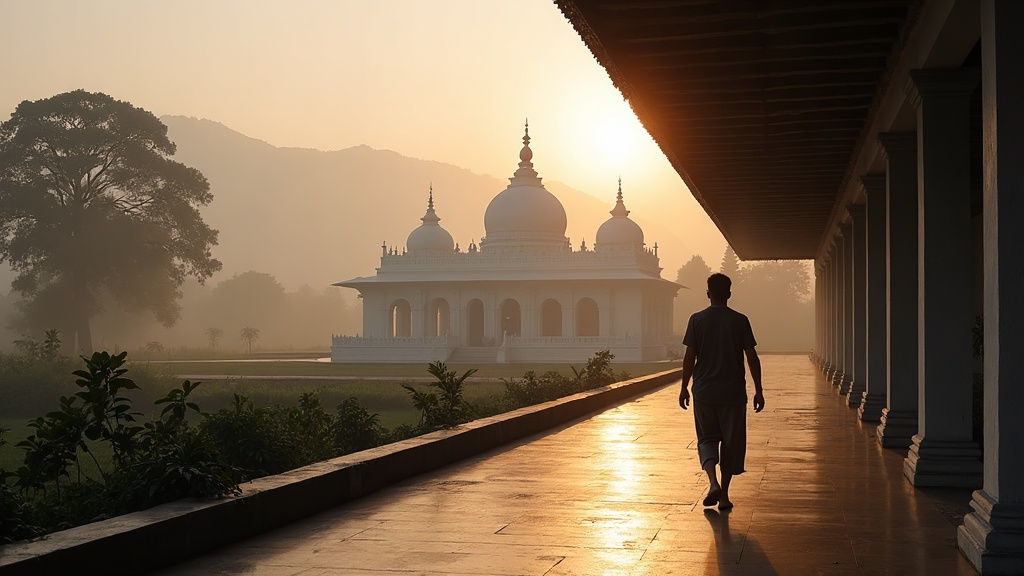
In the red-earthed hills outside Tirupati, where the Deccan plateau meets the sky in waves of heat and silence, Ekam took form as something unusual in the landscape of Indian spiritual centers: a place built not around ritual tradition, but around the architecture of collective stillness.

Origins in the Oneness Movement

Ekam emerged from the Oneness movement, a modern spiritual teaching focused on what its founder, Kalki Bhagavan, termed "awakening"—a direct shift in consciousness beyond conceptual understanding. Founded in 2008, the center represented a physical anchor for teachings that had been spreading through smaller gatherings and individual transmissions. Where many ashrams grew organically around a teacher's residence, Ekam was conceived as monumental from the start: a campus spanning several hundred acres, designed to hold thousands in meditation simultaneously.

The vision was deliberate. Bhagavan's teaching emphasized experience over doctrine, perception over belief. The question wasn't what one should think about the divine, but whether consciousness itself could undergo a fundamental transformation. This required space—physical and interior—on an unusual scale.

A Temple Built for Silence at Scale

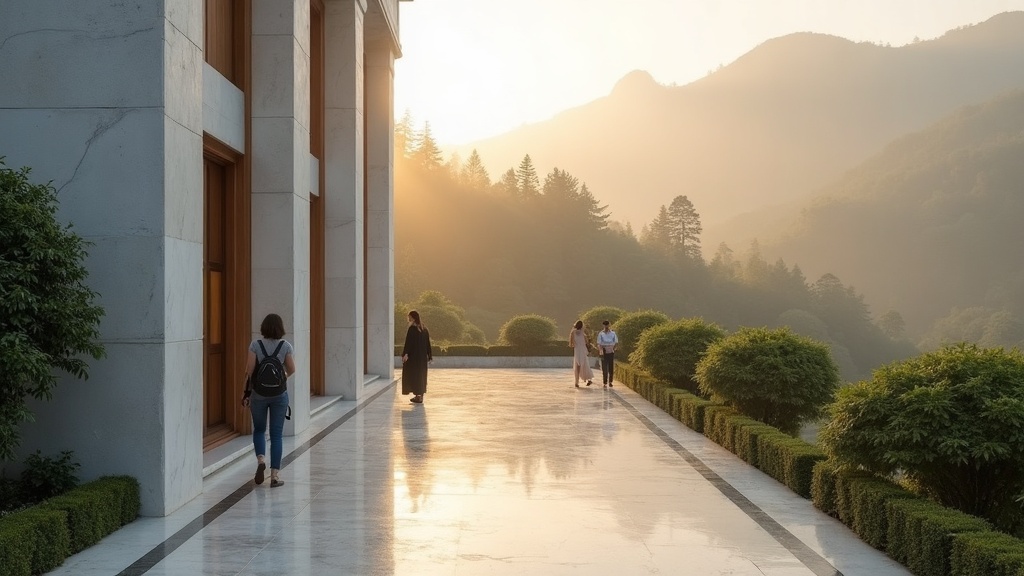
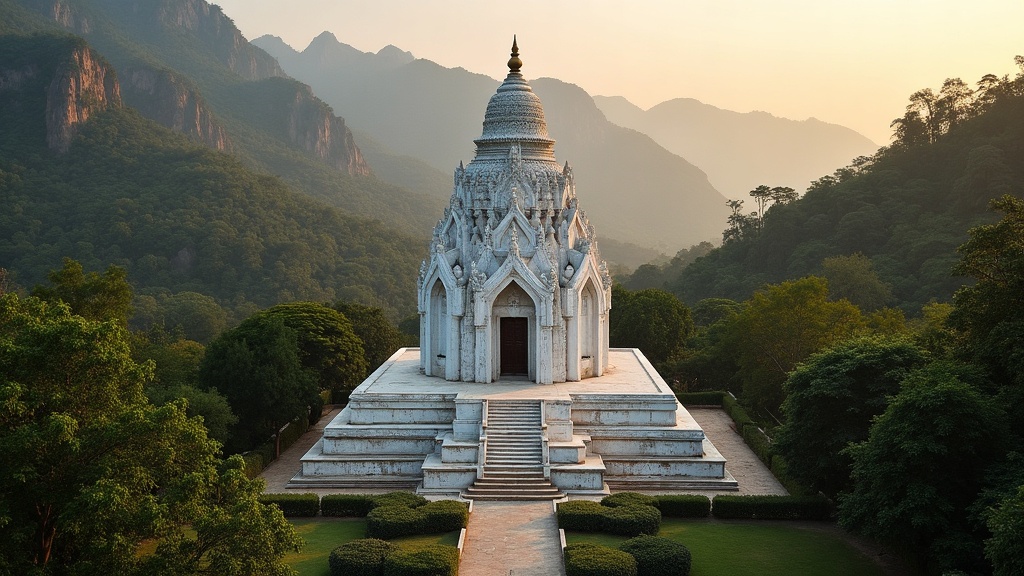
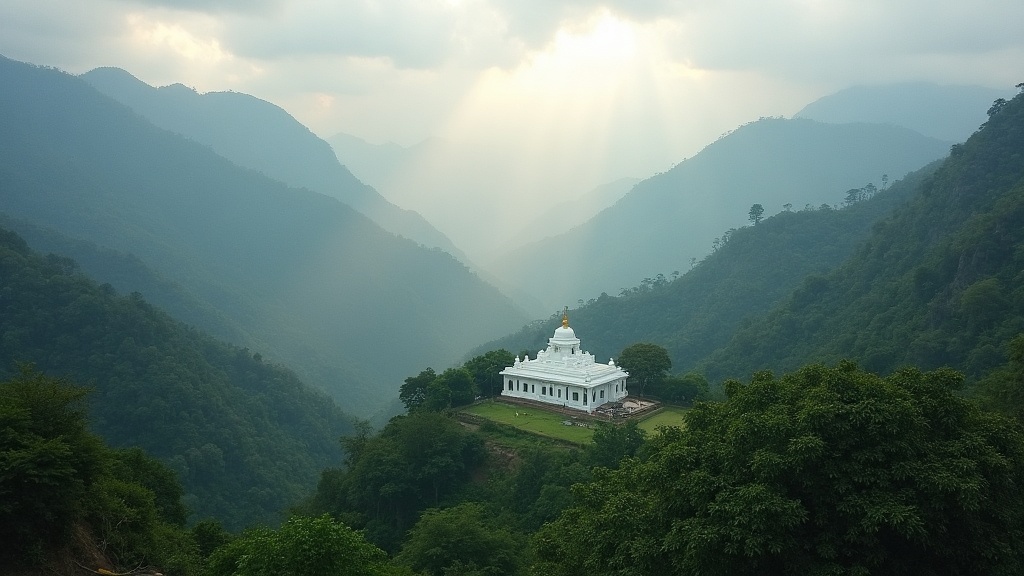
The meditation hall became Ekam's signature. Eight thousand people can sit beneath its canopy of white marble pillars, light falling through the central dome in geometric patterns that shift with the hours. This wasn't built for intimacy. It was built to prove that profound stillness could be collective, that awakening need not be solitary.

Morning sessions begin before dawn, participants walking barefoot across stone that still holds the previous day's heat. A monk might guide the meditation, or the room simply rests in wordless presence. The practice centers on what the tradition calls the "deeksha"—a transmission meant to quiet what Bhagavan terms the psychological self, the narrative machinery that mediates experience.

Expansion and Evolution

From its founding, Ekam developed a structured approach to what many spiritual traditions left informal. Weekend intensives offered newcomers an introduction. Twenty-one-day immersions provided deeper engagement. Teachers trained specifically in the Oneness process led small groups through practices designed not to instruct, but to create conditions where shifts in consciousness might occur organically.

The campus grew to reflect this pedagogy. Gardens planted with jasmine and frangipani provided walking meditation spaces. An open-air dining hall served vegetarian meals in silence to hundreds at once—shared nourishment without social performance. Residential facilities allowed extended stays. The infrastructure supported a revolving population of seekers from India and abroad, each cohort moving through programs that balanced structured practice with unscheduled spaciousness.

Present-Day Character

Today, Ekam operates as both pilgrimage site and educational center. Peacocks move through the grounds—unhurried, ornamental, somehow fitting the pace of a place where time is measured differently. The scent of incense mingles with sun-heated stone. The campus has found its rhythm: cycles of programs, periods of quiet, the daily pulse of thousands in meditation.

What makes Ekam distinctive is its refusal of the intimate in favor of the communal. Many retreat centers emphasize small groups, personal attention from teachers, the warmth of close spiritual friendship. Ekam offers something else: the experience of being one consciousness among thousands, all attempting the same interior journey simultaneously. There's a democracy in that scale, a suggestion that awakening isn't rare or special, but a human birthright that might flourish best in company.

The teaching remains centered on direct experience. Not better thoughts about reality, but a different quality of perception altogether. Not improved beliefs, but a transformation in how consciousness knows itself. Whether one calls this awakening, enlightenment, or simply clarity matters less here than the question of whether it happens—and whether the white marble hall, the collective silence, the structured immersions actually facilitate that shift.

People return not for a teacher's charisma or a tradition's authority, but for the quality of stillness possible when thousands attempt it together. They return for morning light through the dome, for the strange peace of eating in silence among strangers, for the chance that consciousness might surprise itself in the space between the pillars. They return because Ekam asks an unusual question: What becomes possible when we architect not just buildings, but collective conditions for transformation?
More about Ekam

Where You'll Stay at Ekam: A Guide to Accommodations
Accommodations

Where You'll Stay at Ekam: A Guide to Accommodations

Ekam doesn't advertise itself as a luxury resort, and that's not what you'll find. This is a spiritual retreat center built for thousands of…

3 min read
Best Time to Visit Ekam: A Seasonal Guide
Seasonal Guide

Best Time to Visit Ekam: A Seasonal Guide

Winter brings Ekam's busiest season, when the Deccan plateau trades its fierce heat for temperate mornings and pleasantly cool evenings. The…

4 min read
Inside the Ekam Daily Schedule
Daily Rhythm

Inside the Ekam Daily Schedule

The 5:30 AM bell is not harsh. At Ekam, it rings soft and insistent through the pre-dawn darkness, reaching into your room where the air sti…

3 min read
Best Programs at Ekam for Beginners
For Beginners

Best Programs at Ekam for Beginners

The fear is real: you'll be the only person who can't sit still for two hours, who doesn't know the chants, whose mind won't stop cataloging…

3 min read

Keep exploring

Continue your journey

More from Ekam and across the BrightStar directory.

Back to Ekam

Return to the full venue profile — events, artists, guides, and more.

Back to venue →

Discover More Venues

Browse retreat centers, festivals, and sacred spaces across the conscious world.

Explore venues →

Find an Event

Kirtan, retreats, sound baths, breathwork, festivals — happening soon.

Browse events →