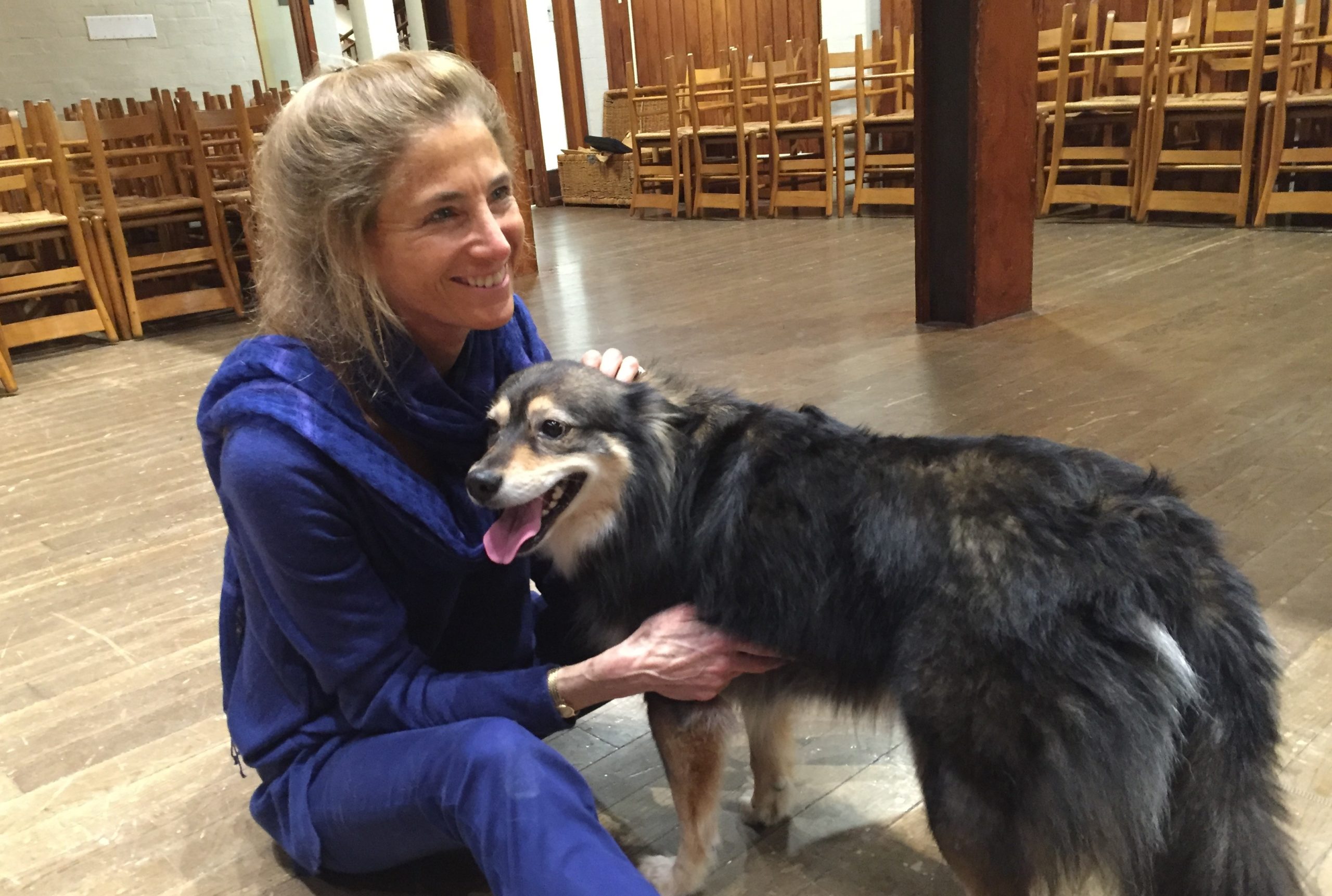
In her poignant invitation, Tara Brach asks us to consider the possibility of speaking kindly to ourselves. "What if the next thing you say to yourself is something kind?" This simple yet profound question challenges the often harsh and critical internal dialogue that many of us experience. It beckons us to shift our self-talk towards compassion and understanding, emphasizing the importance of nurturing our inner landscape. The stakes are high; the way we speak to ourselves shapes our emotional well-being, influences our relationships, and ultimately defines our experience of life.
As we delve deeper into this inquiry, we recognize that self-kindness is not merely a fleeting thought but a transformative practice. It invites us to cultivate a habit of gentleness that can permeate our daily existence. In a world that often prioritizes productivity and achievement, Brach's words remind us of the profound impact of kindness—not just towards others, but crucially towards ourselves. This shift in perspective can lead to a more compassionate relationship with our own vulnerabilities and imperfections, fostering resilience and inner peace.
The image / the metaphor
The imagery in Brach's quote evokes a moment of pause, a gentle invitation to reconsider our internal narrative. The phrase "the next thing you say to yourself" suggests a dynamic process, as if we are standing at a crossroads, poised to choose between self-criticism and self-compassion. The verb "say" implies an active engagement, a conscious decision to speak to oneself in a manner that reflects kindness rather than judgment. This moment of choice is imbued with potential, offering a glimpse into the power of our words and thoughts.
Diving deeper into the metaphor, we can see that this act of speaking kindly to oneself is akin to planting seeds in a garden. Just as a gardener tends to their plants with care, nurturing them to grow and flourish, so too must we tend to our inner dialogue. The cultivation of kindness requires intention and practice, transforming our internal landscape into one that is rich with compassion and understanding. This metaphor highlights the ongoing nature of this work, reminding us that kindness is not a destination but a journey that unfolds over time.
In the speaker's tradition
Tara Brach's teachings are deeply rooted in Buddhist philosophy, where the concepts of compassion and mindfulness are central. In Buddhism, the practice of metta, or loving-kindness, encourages individuals to extend goodwill towards themselves and others. This aligns with Brach's call for self-kindness, as it recognizes that the foundation of compassion for others begins with how we treat ourselves. The notion of kenosis, or self-emptying, further complements this idea, suggesting that by letting go of self-judgment, we create space for love and acceptance to flourish.
A relevant text that echoes this sentiment is the "Metta Sutta," which articulates the importance of cultivating loving-kindness towards oneself as a precursor to extending it to others. The Sutta emphasizes that one should first be at peace with oneself, for only then can one genuinely share that peace with the world. Brach's quote resonates with this teaching, inviting us to embrace our own worthiness and to recognize that kindness is not a luxury, but a necessity for spiritual growth.
Living the teaching
Consider a modern scenario where this teaching can take root: imagine a person facing a challenging day at work, filled with deadlines and expectations. In the midst of this chaos, they catch themselves spiraling into negative self-talk, berating themselves for perceived inadequacies. Here, Brach's invitation becomes a lifeline—what if, instead of harsh criticism, they paused to acknowledge their efforts and remind themselves of their inherent worth? By choosing to speak kindly, they can transform their experience, fostering resilience and a sense of empowerment amidst external pressures.
This teaching can also be applied in the context of relationships. Picture a moment of conflict with a loved one, where frustration and hurt feelings cloud communication. In such instances, the practice of self-kindness can serve as a grounding force. By first addressing their own feelings with compassion, an individual can approach the situation with a clearer mind and a more open heart. This not only enhances their ability to communicate effectively but also creates a ripple effect, encouraging kindness and understanding in the relationship as a whole.
A reflection
As we reflect on Tara Brach's gentle yet powerful question, we are invited to explore the nature of our self-talk. What if we consciously chose kindness as our default response to ourselves? In moments of self-doubt or criticism, how might our lives shift if we paused to speak words of compassion instead? This contemplation invites us to consider the transformative potential of kindness, both for ourselves and for those around us, urging us to cultivate a practice that honors our humanity.