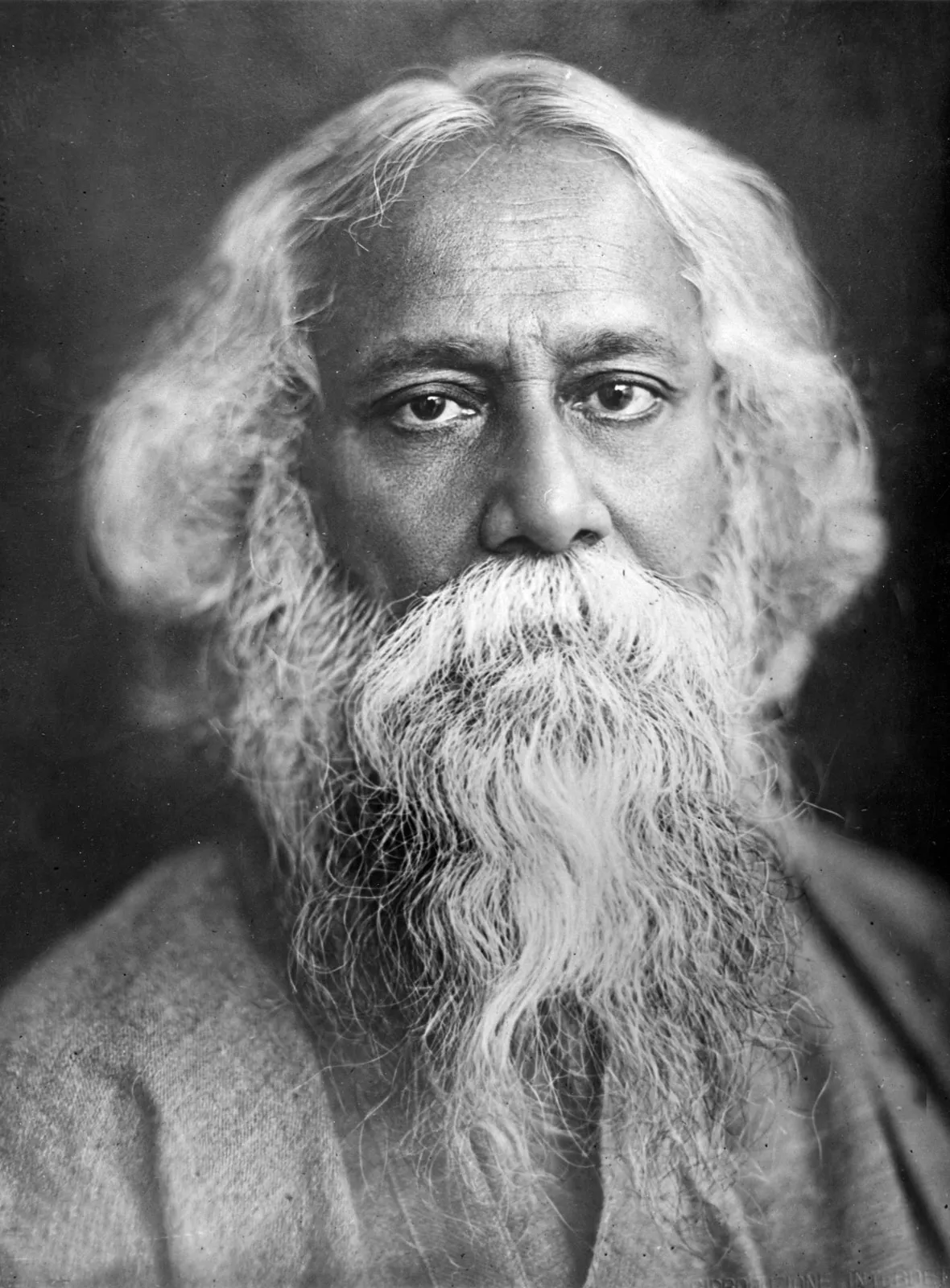
Rabindranath Tagore's evocative assertion, "The world has kissed my soul with its pain, asking for its return in songs," invites us to contemplate the profound relationship between suffering and artistic expression. In this poignant reflection, Tagore suggests that the trials and tribulations of life are not merely burdens to bear but rather catalysts for creativity and transformation. The essence of this quote resonates deeply in a world often characterized by its struggles, urging us to recognize the beauty that can emerge from our pain.
As we delve into Tagore's words, we uncover a rich tapestry of meaning that speaks to the human experience. The notion that our suffering can give rise to songs implies a sacred exchange between the individual and the universe. It is a reminder that our wounds can become sources of inspiration, allowing us to articulate our innermost feelings and connect with others on a profound level. This interplay between pain and art is not only a personal journey but also a universal truth that transcends cultural boundaries.
The image / the metaphor
Tagore's imagery of the world kissing the soul with pain evokes a sense of intimacy and vulnerability. The verb "kissed" suggests a gentle yet profound interaction, indicating that pain is not merely an adversary but a teacher that imparts wisdom. The phrase "asking for its return in songs" implies a reciprocity, where the artist is called to respond to the world's suffering through creative expression. This metaphor encapsulates the idea that art is born from the depths of our experiences, transforming sorrow into beauty.
Diving deeper into this metaphor, we can see that pain becomes a muse, urging the artist to translate their anguish into a form that resonates with others. The act of creating songs from suffering is an acknowledgment of the interconnectedness of all beings; it is a way of sharing one's journey and inviting others to reflect on their own. In this light, Tagore's words illuminate the transformative power of art, suggesting that through our creative endeavors, we can heal not only ourselves but also those who encounter our work.
In the speaker's tradition
Tagore's insights are deeply rooted in the Hindu tradition, where the interplay of suffering and creativity is often explored through concepts such as bhakti and dharma. Bhakti, or devotion, emphasizes the importance of surrendering to the divine, allowing one's pain to be transformed into a path of love and connection. Similarly, dharma, or one's duty, calls individuals to embrace their experiences, including suffering, as integral to their spiritual journey. In this context, Tagore's quote resonates with the idea that our struggles can lead us closer to our true selves and to the divine.
Moreover, Tagore's perspective can be likened to the Buddhist concept of sunyata, or emptiness, which teaches that suffering is an inherent part of existence. Just as sunyata invites us to embrace the transient nature of life, Tagore's words encourage us to find meaning in our pain. In his collection of poems, "Stray Birds," Tagore often reflects on the beauty of nature and the human condition, illustrating how art can emerge from the depths of sorrow and longing, ultimately leading to a greater understanding of life itself.
Living the teaching
Consider a modern scenario where this teaching resonates: an artist grappling with the loss of a loved one. In the wake of grief, they may find themselves compelled to create, pouring their emotions into their work. This process not only serves as a cathartic release but also allows them to connect with others who have experienced similar losses. Through their art, they transform their pain into a shared experience, offering solace and understanding to those who encounter their creations.
In a different context, imagine a relationship strained by misunderstandings and conflict. By embracing the pain of these challenges, individuals can engage in open dialogue, using their experiences as a foundation for deeper connection. Rather than shying away from discomfort, they can choose to express their feelings through honest communication, ultimately fostering a more profound bond. In both scenarios, the act of transforming suffering into expression becomes a powerful tool for healing and connection.
A reflection
As we reflect on Tagore's poignant words, we are invited to consider the role of our own pain in our lives. How can we transform our struggles into songs that resonate with others? In what ways can we embrace our suffering as a catalyst for creativity and connection? By contemplating these questions, we open ourselves to the possibility of finding beauty in our experiences, allowing our pain to guide us toward deeper understanding and expression.


