Finding the Divine Within: A Journey of Heart and Kinship
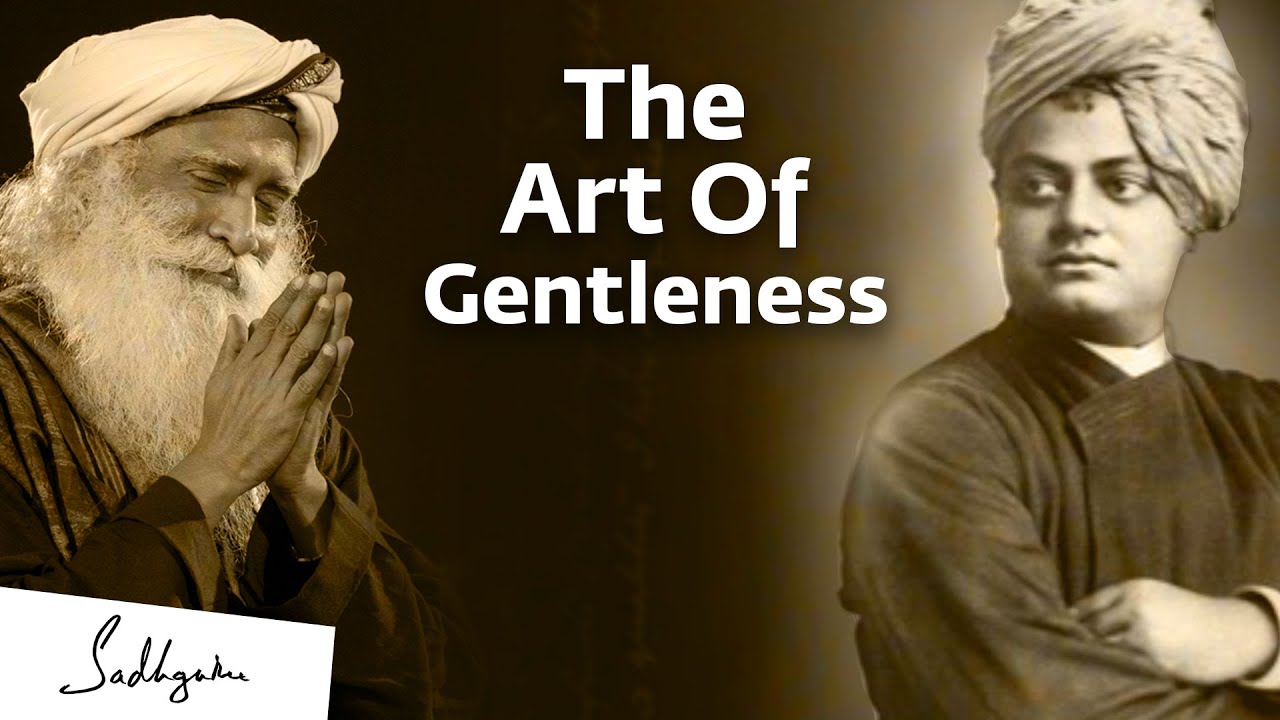
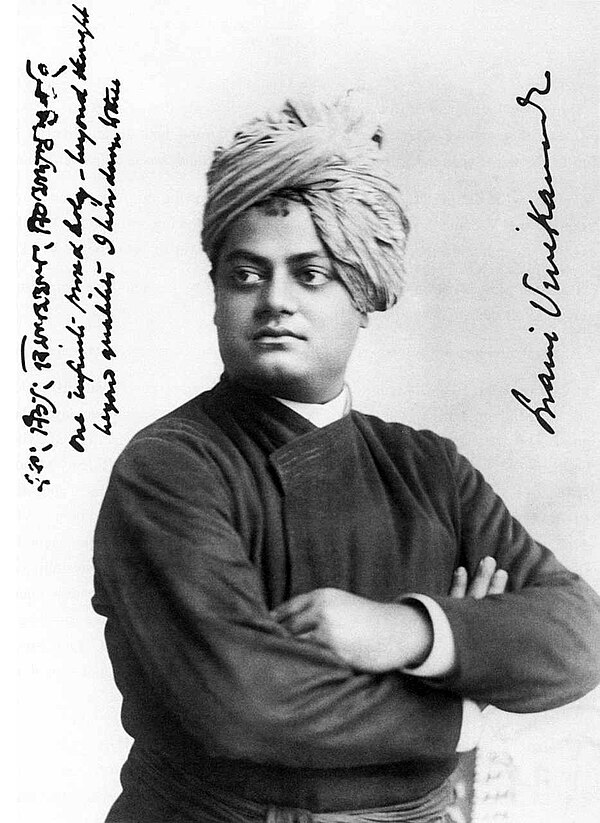
Swami Vivekananda's poignant inquiry, "Where can we go to find God if we cannot see Him in our own hearts and in every living being?" invites us to explore the profound connection between the divine and our inner selves. This question challenges us to look beyond external searches for spirituality and instead encourages a deep introspection that reveals the sacredness inherent in our own hearts and in the lives of those around us. The stakes of this exploration are high; it calls for a radical shift in perspective, urging us to recognize that the divine is not a distant entity but an intimate presence woven into the fabric of our existence.
In a world often characterized by separation and disconnection, Vivekananda's words resonate with a timeless truth that transcends cultural and religious boundaries. The essence of this teaching lies in the recognition of kinship among all living beings, suggesting that the divine is not only found within ourselves but also in the shared experience of life. This perspective fosters a sense of unity and compassion, inviting us to engage with the world around us in a way that honors the sacredness of every individual. By embracing this understanding, we embark on a transformative journey that deepens our relationship with ourselves, others, and the divine.
The image / the metaphor
The imagery in Vivekananda's quote evokes a sense of searching and discovery, where the heart serves as both a vessel and a lens through which we perceive the divine. The verbs "find" and "see" suggest an active engagement with our inner world, prompting us to seek out the divine presence that resides within us. This metaphor of the heart as a sacred space invites us to consider the depth of our own consciousness and the potential for spiritual awakening that lies within. It emphasizes that the journey to understanding God is not a physical pilgrimage but an inward exploration.
Diving deeper into the metaphor, we can perceive the heart as a microcosm of the universe, where the divine essence is mirrored in our emotions, thoughts, and interactions. This perspective encourages us to cultivate a sense of reverence for our own experiences and those of others, recognizing that every heartbeat carries the potential for divine connection. The heart, in this sense, becomes a bridge that links us to the greater cosmos, reminding us that our individual journeys are part of a larger tapestry of existence. In this light, the act of seeing God in ourselves and others transforms into a practice of mindfulness and compassion.
In the speaker's tradition
Swami Vivekananda's teachings are deeply rooted in the Hindu tradition, where concepts such as dharma, bhakti, and prajna illuminate the path to understanding the divine. Dharma, or righteous duty, encourages individuals to act in alignment with their true nature, fostering a sense of responsibility towards oneself and others. Bhakti, the path of devotion, emphasizes the importance of love and surrender to the divine, suggesting that recognizing God in our hearts is an act of profound devotion. Prajna, or wisdom, invites us to discern the interconnectedness of all beings, reinforcing the idea that the divine is present in every aspect of life.
In the context of Vivekananda's teachings, we can draw parallels to the Bhagavad Gita, where Lord Krishna emphasizes the importance of seeing the divine in all beings. The Gita teaches that recognizing the divine essence in others is essential for spiritual growth and fulfillment. This interconnectedness is further echoed in the concept of sunyata, or emptiness, which suggests that the essence of all beings is the same, transcending individual identities. By embracing these teachings, we cultivate a deeper understanding of our relationship with the divine and the world around us.
Living the teaching
Consider a modern scenario where this teaching can be applied: a busy urban environment where individuals often feel isolated despite being surrounded by others. In such a context, the challenge lies in recognizing the divine presence in the faces we encounter daily. By consciously choosing to see the humanity and sacredness in each person, whether a stranger on the subway or a colleague at work, we can transform our interactions into opportunities for connection and compassion. This practice not only enriches our own lives but also fosters a sense of community and belonging.
Another application of this teaching can be found in our personal relationships, particularly during moments of conflict or misunderstanding. When faced with a disagreement, we can pause and remind ourselves of the divine essence within the other person, allowing us to approach the situation with empathy and grace. This shift in perspective can lead to deeper understanding and healing, reinforcing the idea that recognizing the divine in others is a powerful tool for nurturing love and harmony in our lives. By integrating this practice into our daily routines, we cultivate a more profound sense of kinship with all beings.
A reflection
As we contemplate Swami Vivekananda's profound question, we are invited to reflect on our own experiences of the divine. How often do we pause to recognize the sacredness within ourselves and in those around us? This inquiry encourages us to cultivate a practice of mindfulness, inviting us to see beyond the surface and connect with the deeper essence of life. In doing so, we not only honor the teachings of Vivekananda but also embark on a transformative journey that enriches our understanding of the divine presence that permeates our existence.