Finding the Divine Within: The Journey to Self-Realization
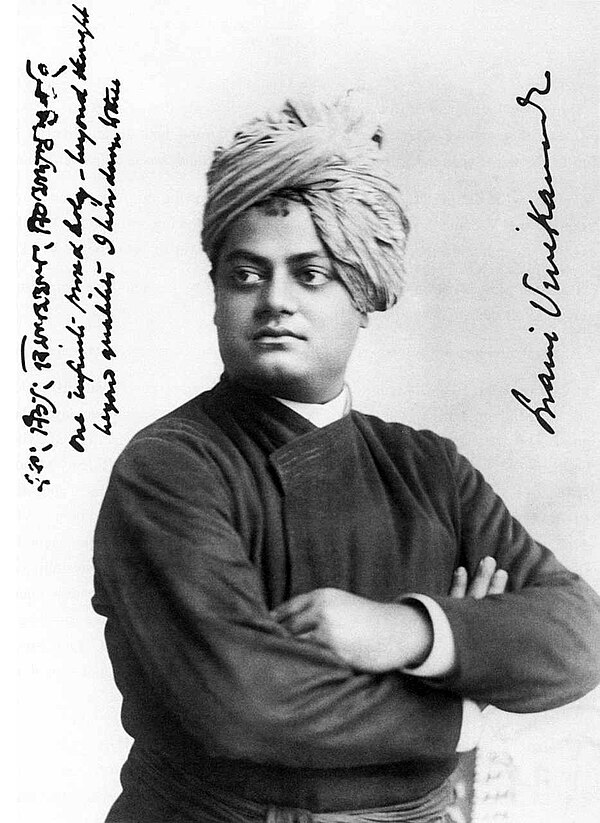
Swami Vivekananda's assertion that "It is impossible to find God outside of ourselves" invites us to explore the profound relationship between the self and the divine. This statement challenges the common notion that divinity exists in external forms or distant realms, urging us instead to turn inward. In a world often preoccupied with external validation and material pursuits, this teaching serves as a reminder of the deeper spiritual journey that lies within each of us, emphasizing the importance of self-discovery in our quest for the divine.
By suggesting that the search for God must begin within, Vivekananda highlights the intimate connection between our inner lives and the greater cosmos. This perspective not only empowers individuals to seek their own truth but also fosters a sense of responsibility for one's spiritual journey. The implications of this teaching extend far beyond personal spirituality; they challenge societal norms and encourage a more profound understanding of our interconnectedness with all beings. In essence, this quote serves as a guiding light for those who seek to understand the divine nature of existence.
The image / the metaphor
At its core, Vivekananda's quote evokes a powerful image of introspection and self-exploration. The phrase "find God" suggests an active pursuit, a journey that requires both courage and commitment. The verb "find" implies that divinity is not merely a passive state of being but something that must be actively sought and uncovered. This journey inward is akin to peeling back layers of an onion, revealing the essence of our true selves, which is inherently connected to the divine.
Delving deeper into the metaphor, we can see that the act of searching within is not just about self-discovery; it is also about recognizing the divine presence that resides in each of us. This presence is often obscured by the distractions of daily life, societal expectations, and our own fears and doubts. By turning our gaze inward, we can uncover the profound truth that we are not separate from the divine but rather an integral part of it. This realization transforms our understanding of spirituality from an external pursuit to an internal awakening.
In the speaker's tradition
Swami Vivekananda's teachings are deeply rooted in the rich tradition of Hindu philosophy, which emphasizes the interconnectedness of all beings and the divine. Concepts such as dharma, the moral order of the universe, and bhakti, the path of devotion, resonate with the idea that understanding the self is essential to realizing the divine. In this context, the journey inward is not merely a personal endeavor but a collective awakening to our shared existence and purpose.
Furthermore, the notion of kenosis, or self-emptying, aligns with Vivekananda's perspective. By letting go of our ego and preconceived notions about the divine, we create space for a deeper understanding of our true nature. This theme is echoed in the Bhagavad Gita, where Krishna advises Arjuna to look beyond the external world and recognize the eternal self within. Such teachings underscore the importance of self-inquiry as a means to connect with the divine essence that permeates all of existence.
Living the teaching
Consider a modern scenario where an individual feels lost in the chaos of life, constantly seeking validation through external achievements and relationships. This person may find themselves caught in a cycle of dissatisfaction, believing that happiness lies just beyond their reach. By embracing Vivekananda's teaching, they can begin to shift their focus inward, exploring their thoughts, feelings, and beliefs. This introspective journey may reveal that true fulfillment comes not from external accolades but from a deep understanding and acceptance of oneself.
In a different context, imagine a relationship strained by misunderstandings and unmet expectations. By applying the principle of looking within, each partner can take responsibility for their feelings and reactions, rather than projecting blame onto the other. This shift in perspective fosters empathy and compassion, allowing both individuals to connect on a deeper level. In moments of difficulty, the reminder that the divine resides within each person can inspire patience and understanding, transforming conflict into an opportunity for growth.
A reflection
As we contemplate Swami Vivekananda's profound assertion, we are invited to reflect on our own spiritual journeys. How often do we seek fulfillment and connection in the external world, overlooking the rich inner landscape that lies within? In this moment of introspection, consider this question: What practices can you incorporate into your daily life to deepen your connection with your inner self and, by extension, the divine presence that resides within you?