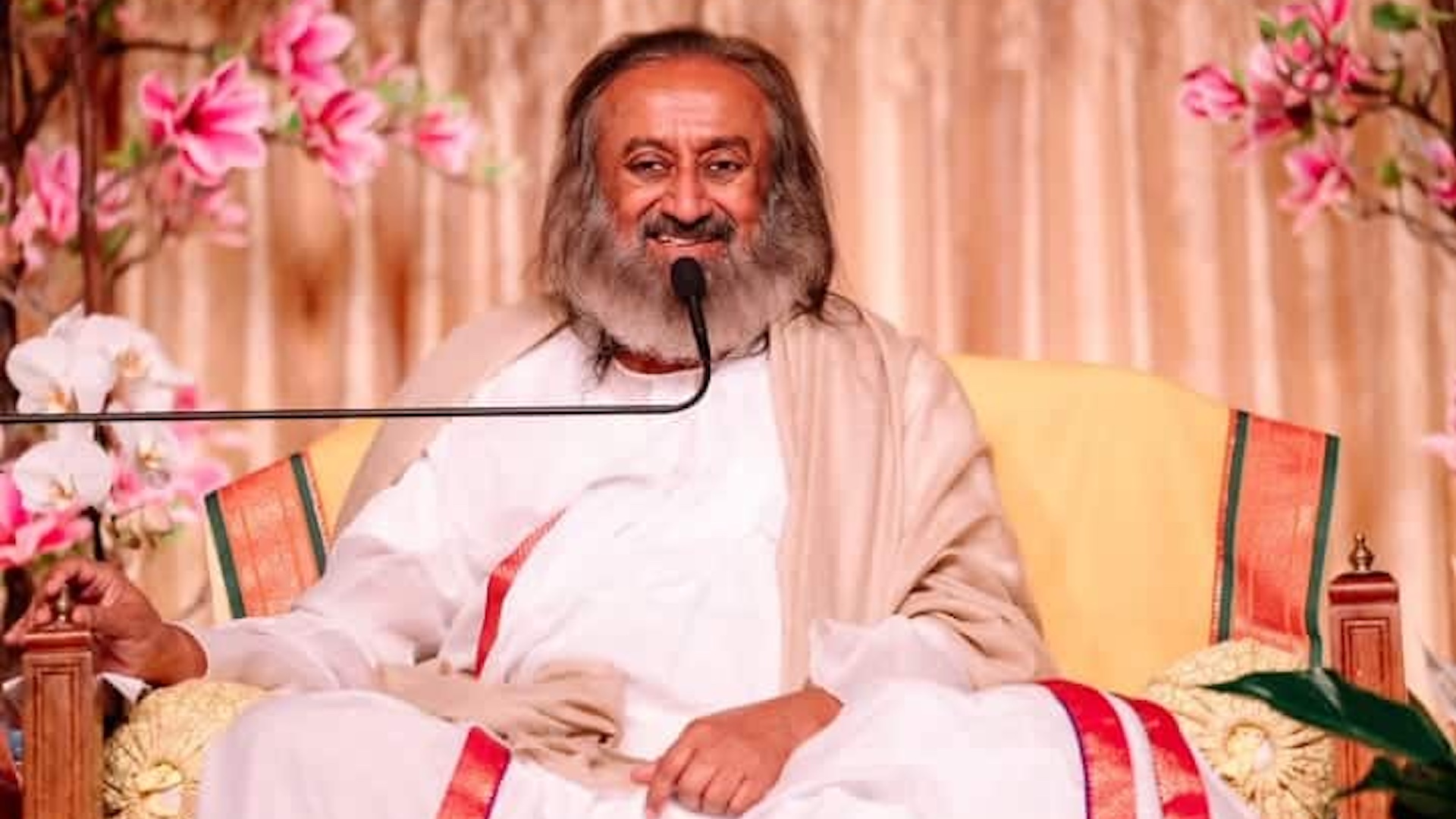
"The world is a family" encapsulates a profound truth about our interconnectedness and shared existence. This statement by Sri Sri Ravi Shankar invites us to reconsider our perception of the world, urging us to see beyond the superficial divisions that often separate us. In a time when polarization and discord seem rampant, this perspective serves as a reminder of our collective responsibility to nurture a sense of belonging and unity. It challenges us to embrace a broader understanding of kinship that transcends geographical, cultural, and ideological boundaries.
To view the world as a family is to acknowledge that every individual, regardless of their background, is part of a larger tapestry of life. This perspective fosters compassion and empathy, encouraging us to act not just for ourselves but for the well-being of others. It invites us to cultivate relationships grounded in love and understanding, recognizing that our actions ripple through the fabric of humanity. In this light, the quote becomes not merely a statement but a call to action, urging us to embody the principles of connection and care in our daily lives.
The image / the metaphor
The imagery of family evokes warmth, safety, and unconditional support. When Sri Sri Ravi Shankar asserts that "the world is a family," he employs the metaphor of familial bonds to illustrate the deep connections that exist among all people. The choice of the word "family" suggests a sense of belonging and shared responsibility, where each member plays a vital role in the collective well-being. This metaphor invites us to envision a world where love and understanding prevail, where differences are celebrated rather than feared, and where the ties that bind us are stronger than those that divide us.
Diving deeper into this metaphor, we can explore the implications of viewing the world through the lens of familial love. In a family, members support one another, share resources, and navigate challenges together. This perspective encourages us to extend the same compassion and solidarity to those outside our immediate circles. It challenges us to dismantle the barriers that often lead to isolation and conflict, urging us to recognize that our fates are intertwined. By embracing this metaphor, we can cultivate a sense of global citizenship, fostering a world where kindness and cooperation flourish.
In the speaker's tradition
Sri Sri Ravi Shankar's teachings are deeply rooted in the Art of Living tradition, which emphasizes the importance of inner peace, self-awareness, and service to others. Central to this tradition is the concept of dharma, which refers to the moral and ethical duties that guide our actions in relation to others. By recognizing the world as a family, we are called to fulfill our dharma not just to our immediate kin but to all of humanity. This perspective aligns with the principles of bhakti, or devotion, which encourages us to act with love and compassion towards all beings, fostering a sense of unity and interconnectedness.
Furthermore, the notion of sunyata, or emptiness, in Buddhist philosophy resonates with this teaching. It suggests that our perceived separateness is an illusion, and that true understanding comes from recognizing our shared essence. In this light, the quote serves as a reminder that our identities are not confined to our individual experiences but are part of a larger, interconnected whole. By embracing this understanding, we can cultivate a sense of belonging that transcends the limitations of our individual lives, fostering a deeper connection with the world around us.
Living the teaching
Consider a modern scenario where this teaching can be applied: a community facing division due to differing political beliefs. In such a context, viewing the world as a family can inspire individuals to engage in open dialogue, seeking to understand one another rather than to argue. This approach fosters a sense of empathy, allowing people to recognize the shared values and concerns that unite them. By prioritizing connection over conflict, community members can work together to address common challenges, ultimately strengthening their bonds and creating a more harmonious environment.
In personal relationships, the idea of the world as a family can transform how we navigate conflicts and misunderstandings. When faced with a disagreement, we can remind ourselves that the other person is not an adversary but a fellow member of our global family. This perspective encourages us to approach the situation with compassion and a willingness to listen, fostering a spirit of reconciliation. By embodying this teaching in our daily interactions, we can cultivate deeper connections and contribute to a more loving and understanding world.
A reflection
As we contemplate the profound statement that "the world is a family," we are invited to reflect on our own relationships and interactions. How can we embody this teaching in our daily lives? What steps can we take to foster a sense of unity and connection with those around us? By engaging with these questions, we can begin to explore the ways in which we can contribute to a more compassionate and harmonious world, recognizing that our actions, no matter how small, have the power to create ripples of love and understanding.