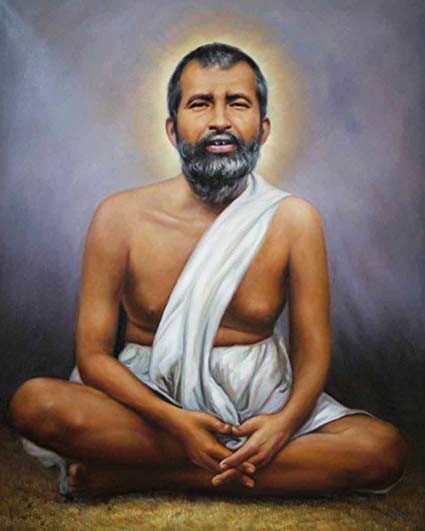
In the profound words of Sri Ramakrishna, "All trouble and torment come to an end when the I dies." This statement invites us to explore the intricate relationship between our sense of self and the suffering we experience in life. At its core, it suggests that the ego, that persistent sense of "I," is the root of our troubles, and only by relinquishing this attachment can we find true peace. Understanding this concept is essential for anyone seeking a deeper spiritual existence, as it challenges us to confront the very nature of our identity.
Ramakrishna's assertion resonates deeply within the human experience, as we often find ourselves entangled in the web of our own desires, fears, and attachments. The "I" represents not just our individual identity but also the myriad of expectations and judgments we carry. By recognizing that these constructs are transient and ultimately illusory, we can begin to dismantle the barriers that separate us from a more profound sense of peace and connection with the universe. This journey toward the dissolution of the ego is not merely an abstract philosophical exercise; it is a transformative process that can lead to liberation.
The image / the metaphor
When we contemplate the imagery of the "I" dying, we are invited to envision a profound transformation. The verbs "come to an end" imply a cessation, a release from the burdens that the ego imposes. This death is not a physical one but rather a metaphorical shedding of layers that obscure our true essence. The felt sense of this process can be likened to a caterpillar's metamorphosis into a butterfly, where the old self must dissolve to give rise to something new and beautiful.
Diving deeper into this metaphor, we can see that the death of the "I" is akin to the concept of kenosis, or self-emptying, found in various spiritual traditions. It suggests a relinquishing of control, a surrendering of the ego's demands, and an opening to the divine presence that exists within and around us. This surrender is not an act of defeat but rather a courageous step toward embracing a more expansive identity—one that transcends the limitations of the individual self and connects us to the greater whole.
In the speaker's tradition
Within the rich tapestry of Hindu philosophy, Sri Ramakrishna's teaching aligns closely with concepts such as dharma, bhakti, and sunyata. Dharma, or the moral order of the universe, invites us to act in accordance with our true nature, which often requires the dissolution of the ego's selfish desires. Bhakti, the path of devotion, emphasizes surrendering the self to the divine, allowing love and grace to fill the void left by the ego's demise. Sunyata, or emptiness, further echoes this sentiment, suggesting that true understanding arises when we let go of our attachments and preconceived notions.
In the sacred text of the Bhagavad Gita, we find a parallel to Ramakrishna's insight. Lord Krishna advises Arjuna to perform his duty without attachment to the fruits of his actions, urging him to transcend the ego's desires. This teaching encapsulates the essence of selfless action, where the dissolution of the "I" leads to a more profound engagement with the world. By aligning our actions with a higher purpose, we can experience the liberation that comes from stepping beyond the confines of the self.
Living the teaching
Consider a modern scenario where this teaching might resonate: a workplace filled with competition and ambition. In such an environment, the ego often drives individuals to seek recognition and success at the expense of collaboration and harmony. By embracing the notion that "all trouble and torment come to an end when the I dies," one might begin to shift their focus from personal gain to collective well-being. This shift can foster a more supportive atmosphere, where creativity and cooperation flourish, ultimately leading to greater satisfaction for all involved.
Another application of this teaching can be found in personal relationships. Imagine a conflict with a loved one, where pride and the need to be right create distance. By recognizing the ego's role in perpetuating this discord, one can choose to let go of the need to defend oneself. This act of humility and vulnerability can pave the way for deeper understanding and connection, allowing love to flow freely and healing to take place. In these moments, the death of the "I" becomes a powerful catalyst for transformation and reconciliation.
A reflection
As we contemplate Sri Ramakrishna's profound statement, we are invited to ask ourselves: What aspects of my identity am I clinging to that may be causing suffering in my life? This question encourages us to reflect on the nature of our attachments and the ways in which they shape our experiences. By engaging with this inquiry, we can begin to uncover the layers of the ego that obscure our true selves, opening the door to a more peaceful and liberated existence.