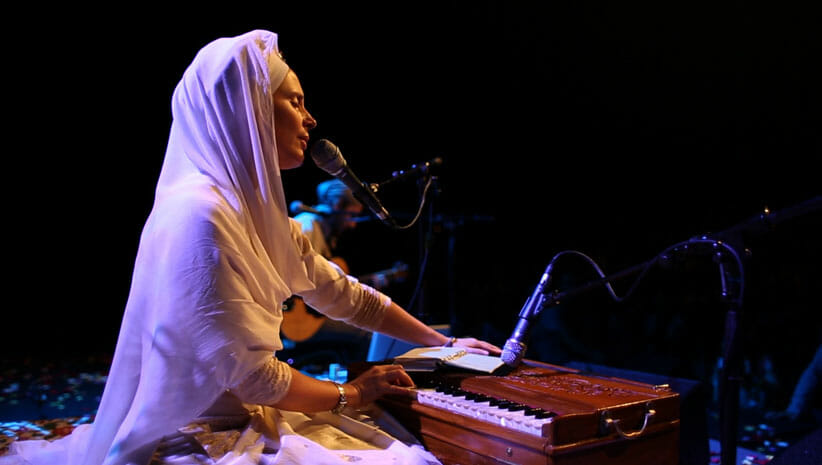
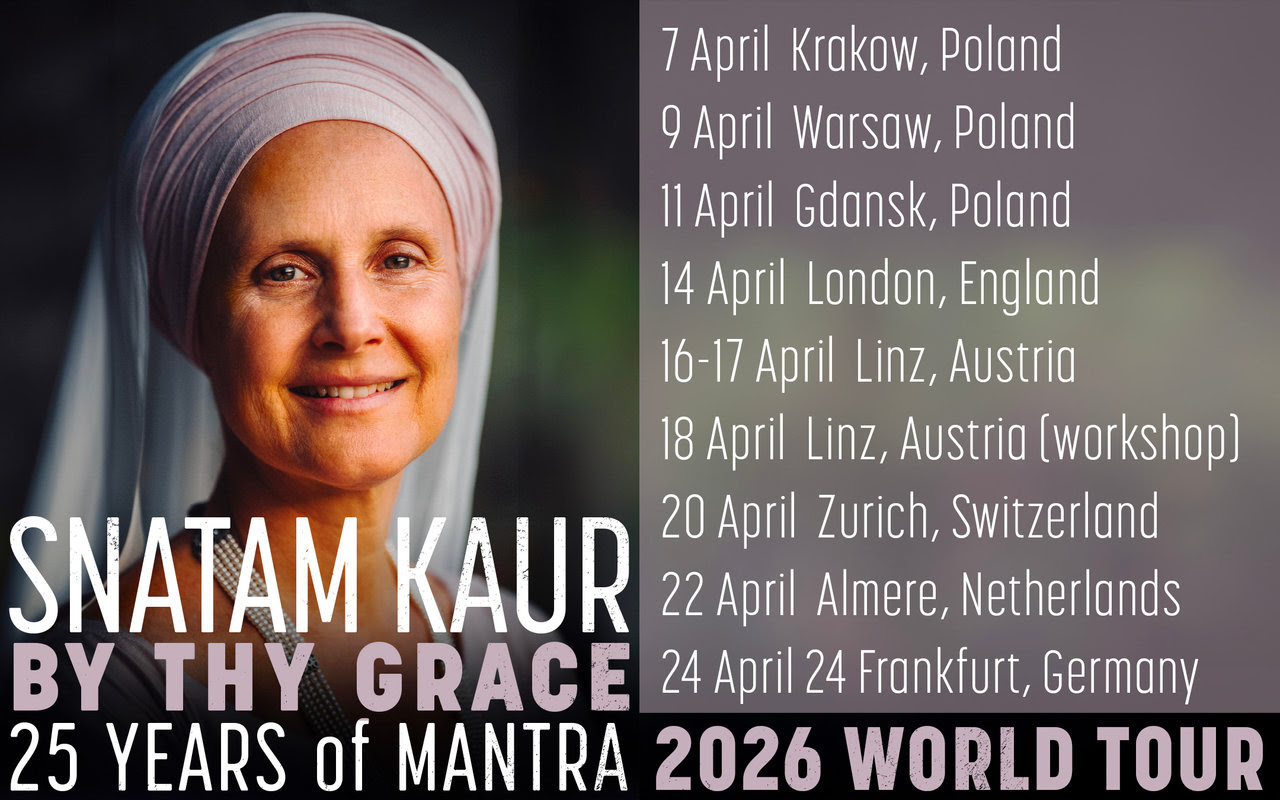
In her profound assertion, "The breath of the Naam never stops," Snatam Kaur invites us to contemplate the ceaseless presence of the divine essence, or Naam, in our lives. This statement speaks to the omnipresence of spiritual energy that sustains and nourishes our existence, suggesting that even in the chaos of daily life, there exists a constant, unbroken connection to the sacred. Understanding this concept is crucial, as it encourages us to recognize the divine rhythm that underlies our breath, our thoughts, and our actions.
Moreover, Kaur's words challenge us to consider the implications of this continuous breath of the Naam. It beckons us to explore how we might align ourselves with this eternal flow, allowing it to guide our intentions and actions. In a world often characterized by distraction and disconnection, the idea that the Naam is always present offers a profound sense of reassurance and purpose. It invites us to cultivate awareness of this divine breath, fostering a deeper relationship with ourselves and the universe.
The image / the metaphor
The imagery of breath in Kaur's quote evokes a sense of life and vitality, suggesting that the Naam is as essential to our spiritual existence as breath is to our physical being. Breath is often seen as a bridge between the body and spirit, a rhythmic cycle that connects us to the present moment. The choice of the word "never stops" emphasizes the constancy and reliability of this divine essence, portraying it as an ever-flowing stream that nourishes our souls, regardless of external circumstances.
Diving deeper into the metaphor, we can see that breath symbolizes not only life but also the act of surrender. Just as we do not consciously control our breath, the Naam flows through us effortlessly when we allow it to. This surrender to the divine breath invites us to release our anxieties and fears, trusting in the eternal presence of the Naam to guide us. It is a reminder that, like our breath, the divine is always available, waiting for us to attune ourselves to its rhythm.
In the speaker's tradition
Snatam Kaur's teachings are deeply rooted in Sikhism, a tradition that emphasizes the importance of Naam as the divine name or essence that permeates all existence. In Sikh philosophy, the concept of Naam is intertwined with the idea of dharma, or living in accordance with the cosmic order. This alignment with the divine breath fosters a sense of unity with all beings, encouraging practitioners to cultivate love, compassion, and humility in their interactions with the world.
A relevant text that echoes this sentiment is the Guru Granth Sahib, which speaks extensively about the power of Naam and its transformative potential. The Shabad, or divine word, is often described as a source of enlightenment and liberation, guiding individuals toward a state of blissful union with the divine. This connection to the Naam is not merely a theoretical concept; it is a lived experience that invites practitioners to immerse themselves in the divine breath, allowing it to shape their thoughts, actions, and relationships.
Living the teaching
Consider a modern scenario where the teaching of the eternal breath of the Naam can be applied: a busy professional navigating the demands of work and personal life. In moments of stress, one might feel overwhelmed and disconnected from their inner self. By consciously tuning into their breath and recognizing it as a manifestation of the Naam, they can cultivate a sense of calm and presence. This practice of mindful breathing serves as a reminder that, even amidst chaos, the divine essence is always accessible, offering solace and clarity.
In a different context, imagine a challenging relationship where misunderstandings and conflicts arise. By embodying the teaching of the Naam's continuous presence, one can approach the situation with compassion and patience. Instead of reacting impulsively, they can pause, breathe, and connect with the divine breath within. This shift in perspective allows for more thoughtful communication and fosters a deeper understanding between individuals, transforming the relationship into a space of healing and growth.
A reflection
As we contemplate the profound truth encapsulated in Snatam Kaur's words, we are invited to reflect on our own relationship with the Naam. How can we cultivate a deeper awareness of this eternal breath in our daily lives? In what ways can we surrender to its flow, allowing it to guide our actions and intentions? These questions encourage us to explore the sacredness of our existence and the divine connection that is always available to us.