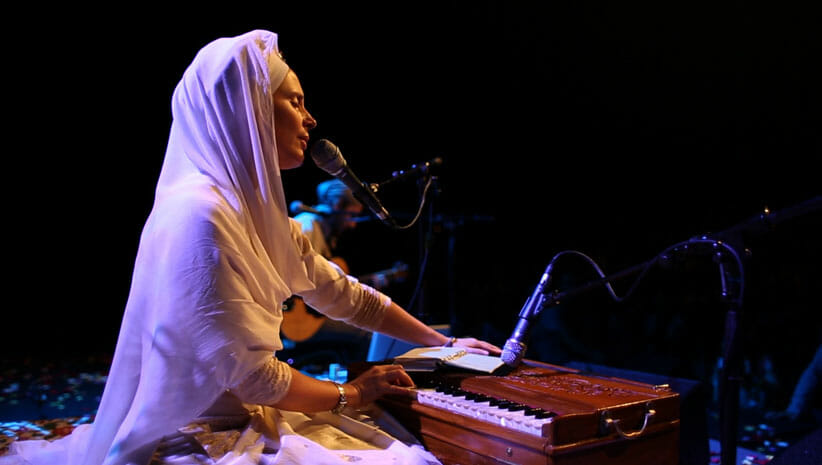
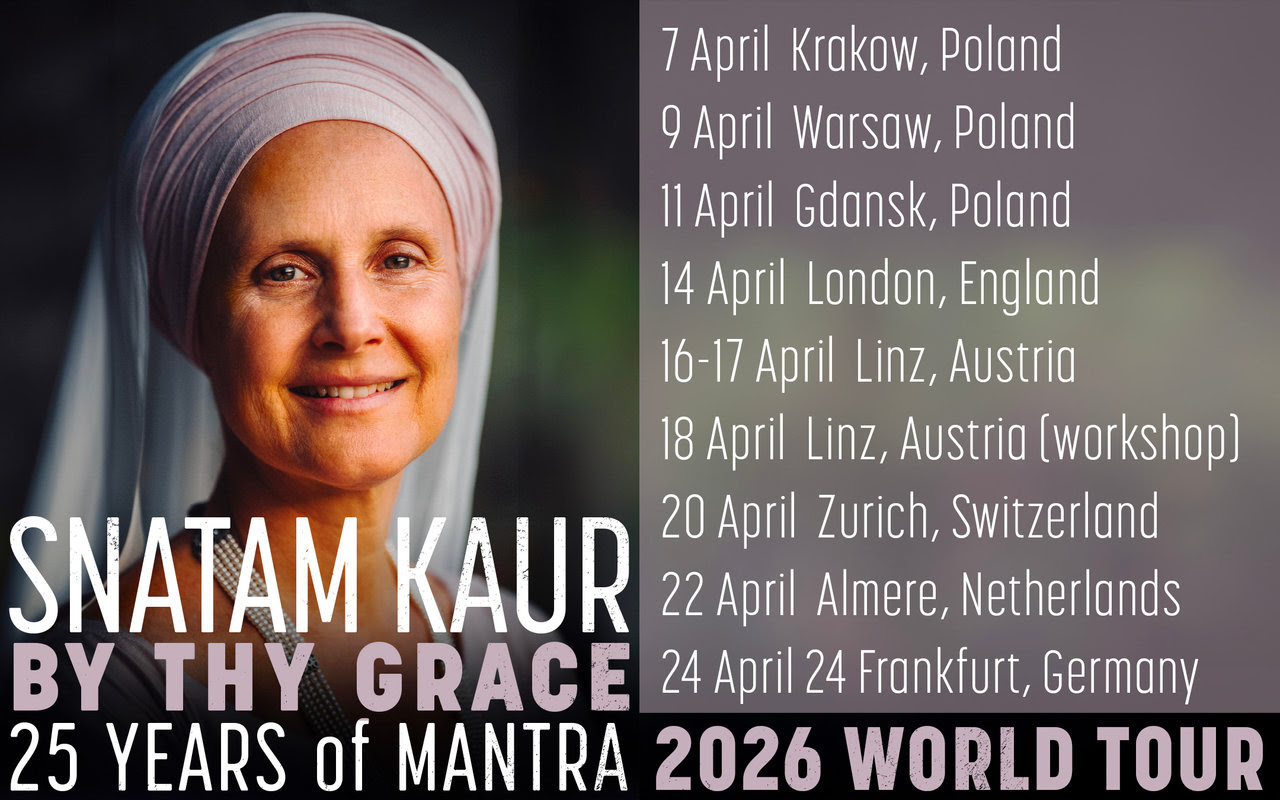
In the profound words of Snatam Kaur, "The breath is the prayer that prays itself." This evocative statement invites us to reconsider the very essence of prayer, suggesting that it is not merely a verbal expression or a structured ritual, but rather an intrinsic part of our being. The breath, often overlooked in its simplicity, serves as a bridge between the physical and spiritual realms, reminding us that our existence is a continuous act of devotion. Recognizing this connection can transform our understanding of prayer and deepen our spiritual practice.
As we delve deeper into this quote, we uncover layers of meaning that resonate with the core of human experience. Breath is a universal phenomenon, a rhythm that unites all living beings. It is both involuntary and conscious, a reminder of our life force and a tool for mindfulness. By framing breath as a prayer, Kaur encourages us to embrace the sacredness of each inhalation and exhalation, inviting us to cultivate a sense of reverence in our everyday lives. This perspective not only enriches our spiritual journey but also fosters a profound connection to the present moment.
The image / the metaphor
The imagery of breath as prayer evokes a sense of fluidity and grace. Breath is not static; it flows in and out, much like the ebb and flow of life itself. The choice of the verb "prays" suggests an active, ongoing process rather than a singular event. This dynamic quality of breath embodies the idea that prayer is not confined to specific times or places; it is an ever-present opportunity to connect with the divine. The felt sense of this metaphor invites us to experience prayer as a living, breathing entity that exists within us, waiting to be acknowledged.
In the speaker's tradition
Snatam Kaur's perspective on breath as prayer is deeply rooted in Sikhism, a tradition that emphasizes the importance of devotion and connection to the divine. Central to Sikh teachings is the concept of "bhakti," or loving devotion, which encourages practitioners to cultivate a heartfelt relationship with the divine through various forms of worship. This idea resonates with the notion of "sadhana," or spiritual practice, where breath becomes a tool for mindfulness and connection to the sacred. In this context, the act of breathing transforms into a form of worship, a way to honor the divine presence within and around us.
Moreover, the Sikh scripture, the Guru Granth Sahib, often emphasizes the significance of remembering the divine name (Naam) through meditation and contemplation. This practice aligns with the idea that breath can serve as a vehicle for prayer, as each inhalation and exhalation can be infused with the remembrance of the divine. By integrating breath into our spiritual practice, we can embody the teachings of Sikhism, allowing our lives to become a continuous expression of devotion and awareness.
Living the teaching
Imagine a moment in your day when stress and anxiety begin to creep in—perhaps during a hectic commute or a challenging meeting. In such instances, the teaching of breath as prayer can serve as a powerful anchor. By consciously focusing on your breath, you can create a space of calm amidst the chaos. Each inhalation becomes an invitation to center yourself, while each exhalation releases tension and worry. This practice not only grounds you in the present moment but also transforms a potentially overwhelming experience into an opportunity for connection and mindfulness.
In relationships, the concept of breath as prayer can also play a transformative role. Consider a moment of conflict with a loved one, where emotions run high and communication falters. By taking a moment to breathe deeply, you can create a pause that allows for reflection and clarity. This intentional act of breathing can shift your perspective, enabling you to approach the situation with compassion and understanding. In this way, the breath becomes a bridge that fosters connection, allowing love and empathy to flow freely between you and others.
A reflection
As we contemplate the profound wisdom encapsulated in Snatam Kaur's quote, we are invited to explore the relationship between our breath and our spiritual practice. How can we cultivate a deeper awareness of our breath as a form of prayer in our daily lives? This question encourages us to reflect on the sacredness of each moment, inviting us to embrace the divine presence that resides within us and around us. In doing so, we may discover that our breath is not just a physiological necessity, but a profound expression of our spiritual journey.