Embracing Wholeness: The Journey of Healing
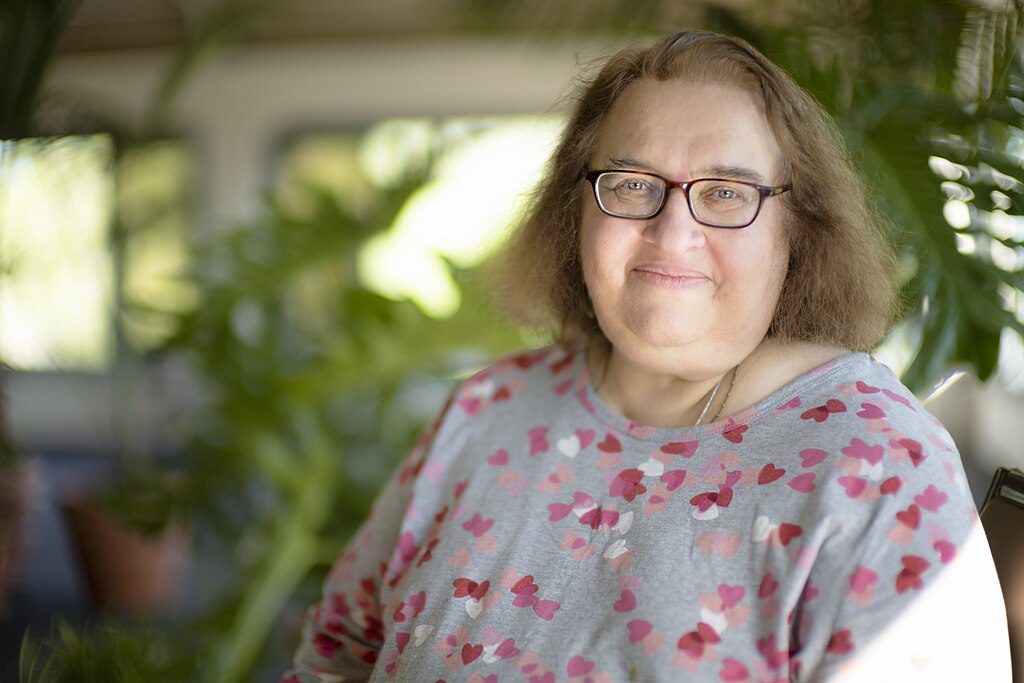
Sharon Salzberg's poignant assertion, "Healing is not erasure. It is integration," invites us to reconsider our understanding of healing. Rather than viewing healing as a process of wiping away pain or trauma, Salzberg encourages us to see it as a journey of incorporating our experiences into the fabric of our being. This perspective is vital, as it acknowledges the complexity of human experience and the necessity of embracing our past to foster true wholeness.
In a world that often promotes the idea of moving on or forgetting, Salzberg's words resonate deeply. They remind us that healing is not about denying our struggles but rather about weaving them into our identity. This integration allows us to transform our pain into wisdom, fostering resilience and compassion. By embracing our experiences, we cultivate a more profound sense of self and a richer understanding of the human condition.
The image / the metaphor
The imagery in Salzberg's quote evokes a sense of alchemy, where the raw materials of our experiences—both joyful and painful—are transformed into something greater. The verb "integration" suggests a process of melding, of bringing together disparate parts into a cohesive whole. This contrasts sharply with the notion of "erasure," which implies a violent removal or denial of what has been. The felt sense of integration is one of acceptance and growth, where each experience, no matter how challenging, contributes to our overall narrative.
Diving deeper into this metaphor, we can envision healing as a tapestry, where each thread represents a different aspect of our lives. Some threads may be vibrant and joyful, while others may be dark and frayed. Yet, it is the interplay of these threads that creates a unique and beautiful design. Integration, then, becomes an act of honoring each thread, recognizing its place in our story, and allowing it to contribute to the richness of our existence.
In the speaker's tradition
Sharon Salzberg's insights are deeply rooted in the Buddhist tradition, which emphasizes the importance of mindfulness and compassion in the healing process. Concepts such as dharma, or the path of truth, and sunyata, the notion of emptiness, play a crucial role in understanding how we can integrate our experiences. In Buddhism, healing is often seen as a journey toward enlightenment, where one learns to embrace all aspects of life, including suffering, as part of the greater whole.
In her teachings, Salzberg often references the importance of loving-kindness (metta) as a means of fostering integration. This practice encourages individuals to cultivate compassion not only for themselves but also for others, recognizing that we are all interconnected in our struggles. A relevant text that echoes this sentiment is the Heart Sutra, which speaks to the idea of emptiness and the interdependence of all phenomena, reminding us that our experiences, both good and bad, are part of a larger tapestry of existence.
Living the teaching
Consider a modern scenario where this teaching can be applied: a person grappling with the aftermath of a difficult breakup. Instead of attempting to erase the memories or feelings associated with the relationship, they might choose to reflect on what they learned about themselves and their needs. By integrating these lessons into their understanding of love and connection, they can emerge from the experience with a deeper sense of self-awareness and emotional resilience.
In a different context, imagine a workplace environment where a team faces a significant setback. Rather than glossing over the failure, a leader who embodies Salzberg's teaching would encourage open dialogue about the experience. By integrating the lessons learned from the setback into future strategies, the team not only fosters a culture of growth but also builds a stronger, more cohesive unit. This approach highlights the power of integration in transforming challenges into opportunities for collective healing and development.
A reflection
As we contemplate Salzberg's profound statement, we are invited to reflect on our own experiences of healing. What aspects of your past do you find yourself trying to erase, and how might you begin to integrate them into your life story? This question encourages a deep exploration of the ways in which we can embrace our wholeness, allowing our experiences to inform and enrich our journey toward self-acceptance and compassion.