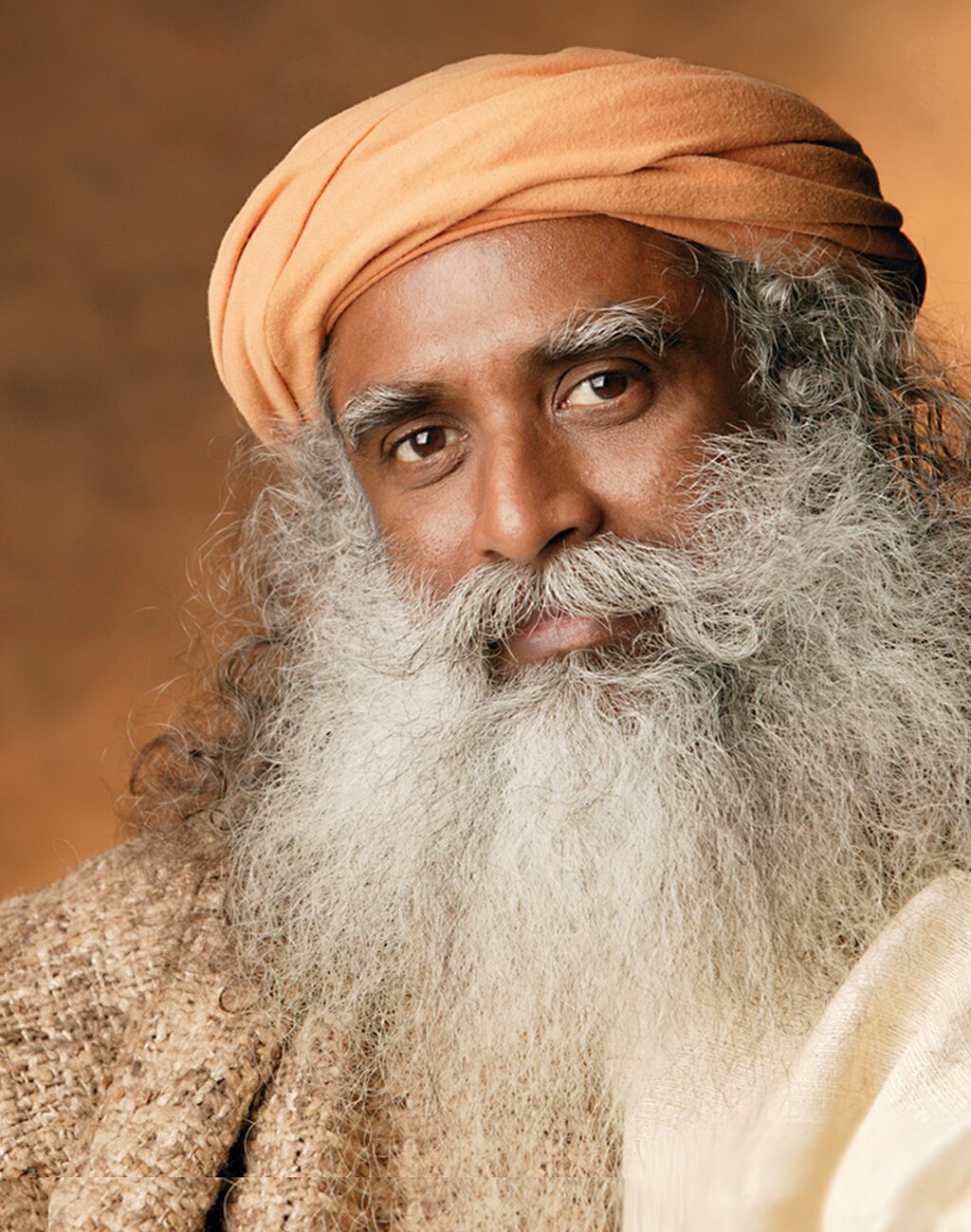
Sadhguru's assertion that "You have not chosen who you wish to be. You have just chosen what to like and dislike" invites us to reflect deeply on the nature of our identity and the choices we make. At first glance, this statement may seem to diminish the power of personal agency, yet it actually illuminates the often-overlooked distinction between superficial preferences and the profound essence of self. Understanding this distinction is crucial, as it compels us to examine the foundations of our identity and the motivations behind our choices.
In a world that often equates identity with preferences—what we enjoy, what we reject, and how we present ourselves—Sadhguru's words challenge us to dig deeper. They prompt us to consider whether our self-concept is genuinely self-determined or merely a collection of likes and dislikes shaped by external influences. This exploration is not merely philosophical; it has real implications for how we navigate our lives, our relationships, and our spiritual journeys.
The image / the metaphor
The imagery in Sadhguru's quote evokes a sense of passive selection, suggesting that our identities are not actively crafted but rather assembled from a series of choices about what we find appealing or unappealing. The verbs "chosen" and "like/dislike" imply a consumerist approach to identity, where we curate our lives based on external validation and societal norms. This metaphor paints a picture of individuals as shoppers in a vast marketplace of identities, picking and discarding aspects of themselves without ever truly engaging with the deeper question of who they are.
Diving deeper into this metaphor, we can see how it reflects a broader existential dilemma: the struggle between authenticity and conformity. When we merely choose what to like and dislike, we risk becoming mere reflections of the world around us, rather than authentic expressions of our true selves. This raises the question of whether we are living in alignment with our inner truth or simply responding to the stimuli of our environment, thus losing sight of our genuine essence.
In the speaker's tradition
Within the context of Sadhguru's teachings and the broader tradition of yoga, this quote resonates with the concept of *dharma*, or one's true path. In yoga philosophy, the journey toward self-realization involves peeling away layers of conditioning to uncover the authentic self. The notion that we often identify with our likes and dislikes rather than our true nature aligns with the idea of *avidya*, or ignorance, which obscures our understanding of who we truly are. By recognizing this ignorance, we can begin to navigate toward a more profound understanding of our identity.
Moreover, this teaching echoes the Buddhist concept of *sunyata*, or emptiness, which suggests that our identities are not fixed but rather fluid and interdependent. Just as the self is not a static entity but a dynamic interplay of experiences and perceptions, Sadhguru's quote encourages us to recognize that our identity is not solely defined by our preferences. In texts like the *Bhagavad Gita*, the exploration of self beyond attachment to likes and dislikes is a central theme, urging us to act from a place of inner clarity rather than external influence.
Living the teaching
Consider a modern scenario where this teaching becomes particularly relevant: the social media landscape. Many individuals curate their online personas based on what they believe will garner approval or admiration, often leading to a disconnection from their authentic selves. In this context, Sadhguru's words serve as a reminder to reflect on whether our online identities are genuine expressions of who we are or merely a collection of likes and dislikes shaped by external validation. This awareness can lead to a more authentic engagement with both ourselves and others.
In relationships, this teaching can manifest in moments of conflict or misunderstanding. When we react based on our likes and dislikes, we may find ourselves entrenched in patterns of judgment or resentment. By recognizing that these reactions stem from a superficial understanding of identity, we can approach our interactions with greater compassion and openness. This shift allows us to engage with others not as mere reflections of our preferences but as complex beings deserving of understanding and connection.
A reflection
As we contemplate Sadhguru's profound insight, we are invited to ask ourselves: "What aspects of my identity are genuinely mine, and which have I adopted based on external influences?" This question encourages a deep exploration of our motivations and the choices we make, prompting us to seek a more authentic expression of self. In this journey of self-discovery, we may find that true identity is not a matter of preference but a deeper alignment with our inner truth.