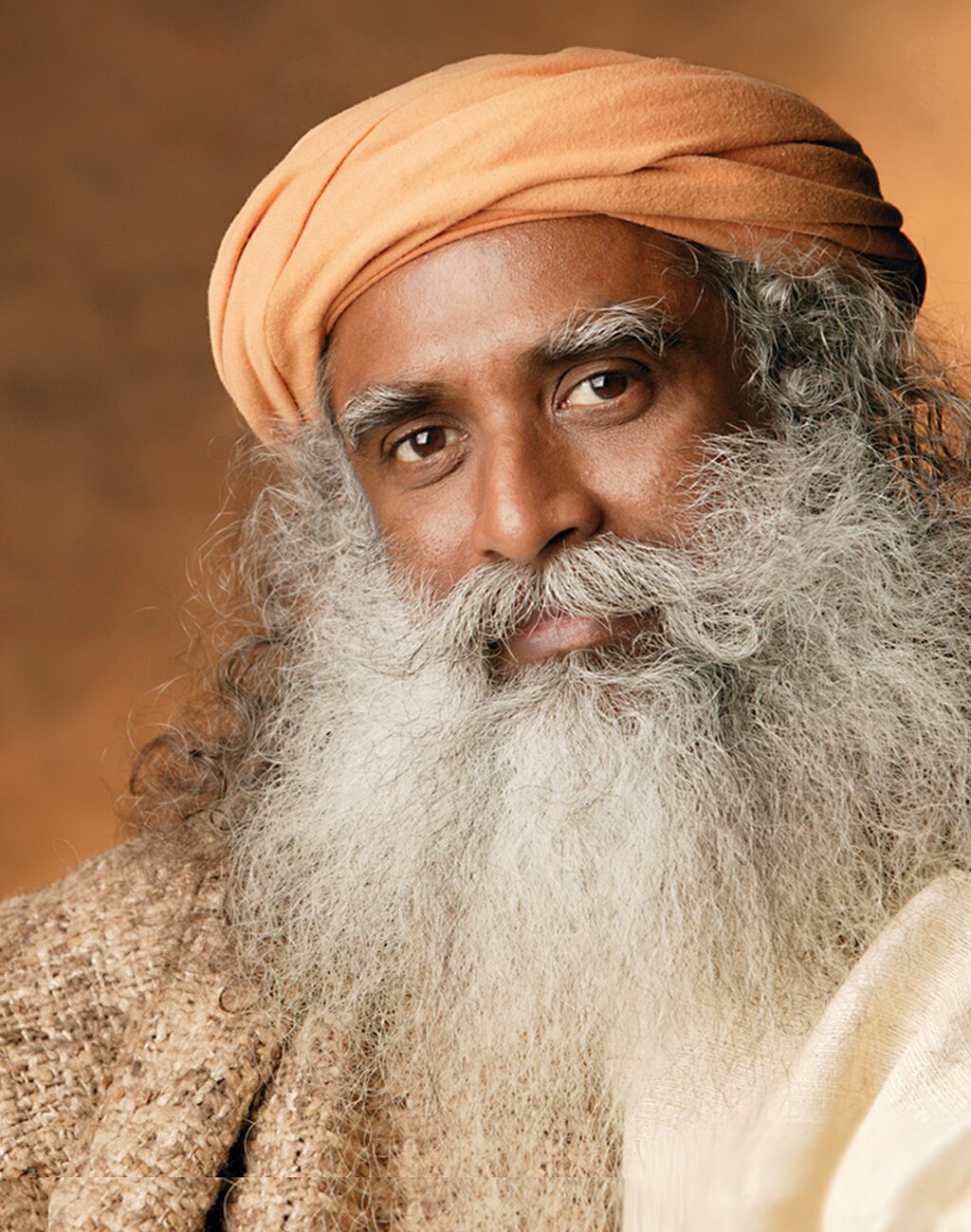
Sadhguru's assertion, "You can use your own intelligence and observe your life," invites us to engage deeply with our own experiences. It challenges us to step back from the incessant noise of our thoughts and emotions, urging us to cultivate a mindful awareness that can illuminate the path of our existence. This practice of observation is not merely passive; it is an active engagement with the self that can lead to profound insights and transformation. In a world that often demands our attention in fragmented ways, this call to observe our lives with intelligence becomes a vital practice for personal growth and understanding.
At its core, this quote emphasizes the importance of self-awareness and the role of intelligence in navigating our experiences. It suggests that we possess an innate capacity to discern the patterns of our lives, to reflect on our choices, and to understand the underlying motivations that drive us. By observing our lives with clarity and intention, we can begin to unravel the complexities of our existence, leading to a more authentic and fulfilling way of being. This process is not just about intellectual understanding; it is a holistic engagement that encompasses our emotions, thoughts, and actions.
The image / the metaphor
The imagery in Sadhguru's quote evokes a sense of active participation in one's own life. The verb "observe" implies a deliberate act of watching, a conscious choice to step back and witness the unfolding of our experiences. This observation is not detached; rather, it is infused with intelligence, suggesting that we are not merely passive spectators but engaged participants in the narrative of our lives. The phrase "your own intelligence" emphasizes the personal nature of this practice, reminding us that each individual's capacity for insight is unique and deeply rooted in their own experiences.
Diving deeper into the metaphor, we can see that observation serves as a lens through which we can examine our lives. It invites us to cultivate a sense of curiosity and openness, allowing us to explore the nuances of our thoughts and feelings without judgment. This process of observation can lead to a greater understanding of ourselves and our relationships, revealing the interconnectedness of our experiences. By employing our intelligence in this way, we transform observation into a powerful tool for self-discovery and growth.
In the speaker's tradition
Sadhguru's teachings are deeply rooted in the ancient tradition of yoga, which emphasizes the importance of self-awareness and inner exploration. Concepts such as dharma, or one's duty and purpose, and prajna, or wisdom, are integral to understanding how observation can lead to a more meaningful life. In this context, using our intelligence to observe our lives aligns with the yogic principle of self-inquiry, where individuals are encouraged to delve into their own experiences to uncover deeper truths about themselves and their place in the world. This practice of observation is not merely an intellectual exercise; it is a spiritual journey that fosters a connection to the self and the universe.
In the context of yogic texts, we can draw parallels to the teachings found in the Bhagavad Gita, where self-awareness and discernment are highlighted as essential for fulfilling one's dharma. The Gita encourages individuals to engage in self-reflection and to observe their thoughts and actions with clarity, ultimately leading to a more profound understanding of their purpose. This alignment with the teachings of Sadhguru underscores the timeless nature of the wisdom found in yoga, where observation and intelligence serve as catalysts for personal and spiritual growth.
Living the teaching
Consider a modern scenario where this teaching can be applied: imagine a busy professional overwhelmed by the demands of work and life. In the midst of deadlines and responsibilities, the individual feels a sense of disconnection and stress. By taking Sadhguru's advice to observe their life, they might carve out moments of stillness to reflect on their thoughts and feelings. This practice of observation allows them to identify patterns of behavior that contribute to their stress, leading to more conscious choices about how to manage their time and energy. Through this lens of observation, they can reclaim their sense of agency and purpose.
Another application of this teaching can be found in relationships. When conflicts arise, it is easy to react impulsively, driven by emotions and assumptions. However, by employing the practice of observation, one can step back and examine their own responses and motivations. This reflective process fosters empathy and understanding, allowing for more constructive communication and resolution. In this way, the act of observing one's life becomes a transformative practice that enhances not only personal well-being but also the quality of our connections with others.
A reflection
As we contemplate Sadhguru's invitation to use our intelligence to observe our lives, we are called to consider the depth of our own self-awareness. How often do we pause to reflect on our experiences, to truly observe the patterns that shape our thoughts and actions? In this moment of reflection, I invite you to ask yourself: What insights might emerge if I were to observe my life with greater clarity and intention? This question serves as a gateway to deeper understanding and growth, encouraging us to embrace the transformative power of observation in our daily lives.