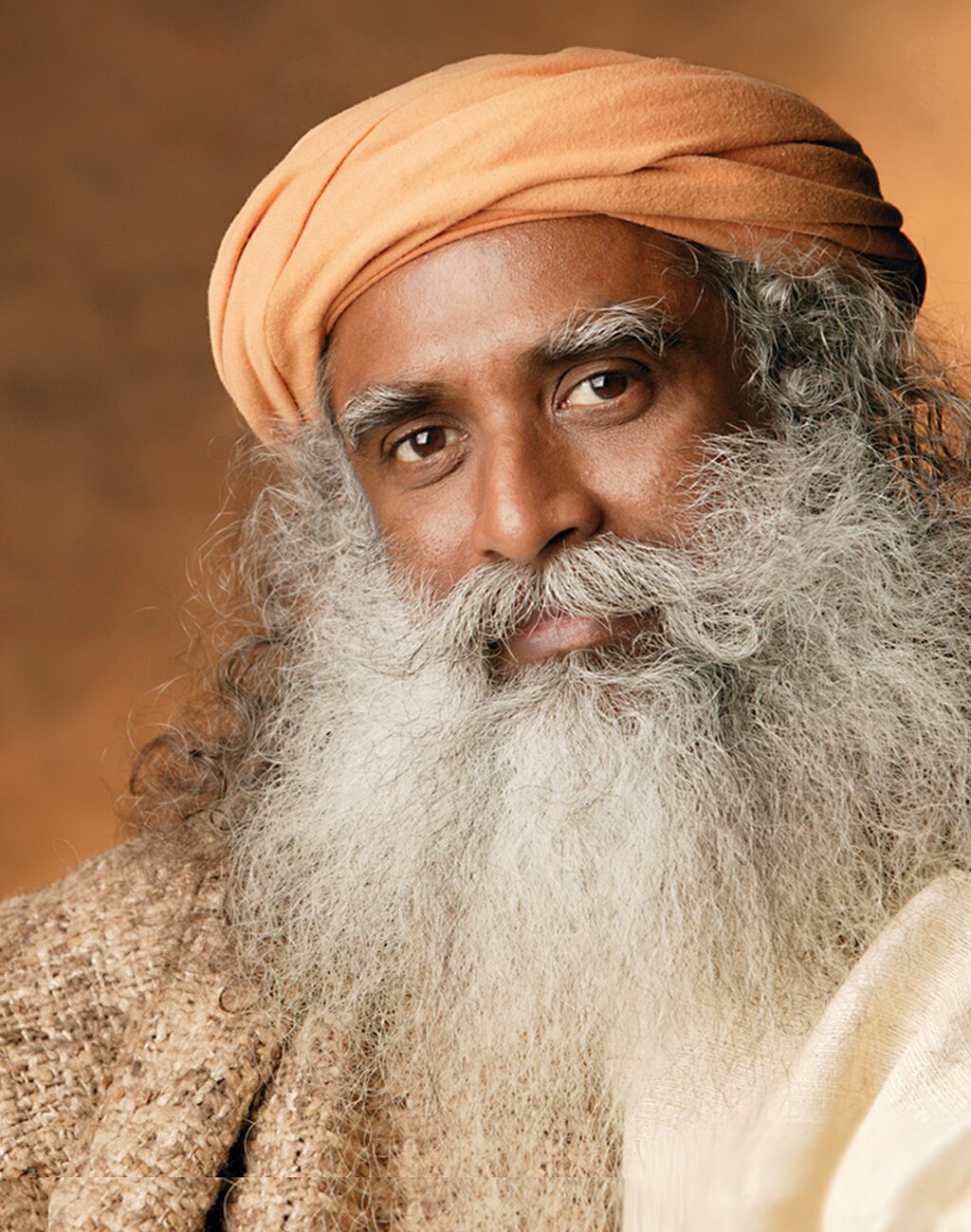
The Art of Emptiness: Becoming a Vessel for Transformation
In the words of Sadhguru, "Whatever your sadhana, the goal is to become an empty vessel." This profound statement invites us to consider the essence of our spiritual practices, urging us to transcend the confines of our ego and preconceived notions. The journey towards becoming an empty vessel is not merely an abstract concept; it is a transformative process that holds the potential to reshape our very existence. In a world often filled with noise and distractions, this teaching beckons us to explore the depths of our being and the significance of emptiness in our spiritual evolution.
To delve deeper into this notion, we must recognize that the idea of becoming an empty vessel is not about erasing our identity or experiences. Rather, it is about creating space within ourselves—a sacred emptiness that allows for new insights, wisdom, and love to flow in. This emptiness is not a void but a fertile ground for growth and connection. It invites us to let go of attachments and preconceived notions, fostering a state of openness that is essential for genuine transformation. In this light, Sadhguru's words resonate as a call to cultivate a profound inner stillness, where the essence of our true selves can emerge.
The image / the metaphor
The imagery of an "empty vessel" evokes a sense of purity and potential. A vessel, by its very nature, is designed to hold something, yet it must first be empty to fulfill its purpose. The verbs chosen in Sadhguru's quote—"become" and "empty"—suggest a dynamic process of transformation. This is not a passive state; it requires active participation and intention. The felt sense of this metaphor is one of readiness and receptivity, inviting us to consider what we are willing to release in order to embrace the fullness of life.
Diving deeper into the metaphor, we can see that the empty vessel represents the human experience itself. Just as a vessel can be filled with water, wine, or oil, our lives can be filled with myriad experiences, emotions, and thoughts. However, when we cling too tightly to these contents, we risk losing the essence of our being. Becoming an empty vessel is an invitation to let go of the clutter that fills our minds and hearts, allowing us to be filled instead with clarity, compassion, and understanding. In this way, emptiness becomes a source of strength rather than weakness, a space where true wisdom can flourish.
In the speaker's tradition
Sadhguru's teaching on becoming an empty vessel is deeply rooted in the yogic tradition, where the concepts of dharma and sunyata play pivotal roles. Dharma, often understood as one's duty or path, emphasizes the importance of aligning with one's true nature. In this context, becoming an empty vessel allows us to align with our dharma by shedding the layers of ego and societal expectations. Similarly, the Buddhist concept of sunyata, or emptiness, teaches that true liberation arises from recognizing the impermanent and interconnected nature of all things. This understanding encourages us to let go of attachments and embrace the fluidity of existence.
In the context of these teachings, we can draw parallels to the ancient text of the Bhagavad Gita, where Lord Krishna imparts wisdom on the nature of the self and the importance of detachment. The Gita emphasizes that true action arises from a state of non-attachment, echoing Sadhguru's call to become an empty vessel. By cultivating this emptiness, we can act with clarity and purpose, free from the burdens of our desires and fears. This alignment with the deeper truths of existence allows us to navigate life with grace and authenticity.
Living the teaching
Consider a modern scenario where the teaching of becoming an empty vessel can be applied: the experience of a busy professional overwhelmed by the demands of work and life. In such a situation, the individual may find themselves caught in a cycle of stress and anxiety, clinging to their responsibilities and expectations. By embracing the idea of becoming an empty vessel, they can begin to release the weight of these attachments, creating space for mindfulness and presence. This shift allows them to approach their work with renewed energy and creativity, ultimately leading to greater fulfillment and balance.
Another application of this teaching can be found in interpersonal relationships. Imagine a moment of conflict with a loved one, where emotions run high and misunderstandings abound. In this context, becoming an empty vessel means letting go of the need to be right or to hold onto grievances. Instead, one can approach the situation with openness and vulnerability, allowing for genuine communication and connection. By embodying this emptiness, we create a space for healing and understanding, transforming the relationship into a source of growth and love.
A reflection
As we contemplate Sadhguru's profound teaching, we are invited to reflect on our own lives: What are the attachments or beliefs that prevent us from becoming an empty vessel? In what ways can we create space within ourselves to welcome new insights and experiences? By engaging with these questions, we can embark on a journey of self-discovery and transformation, ultimately embracing the fullness of life that arises from our willingness to be empty.