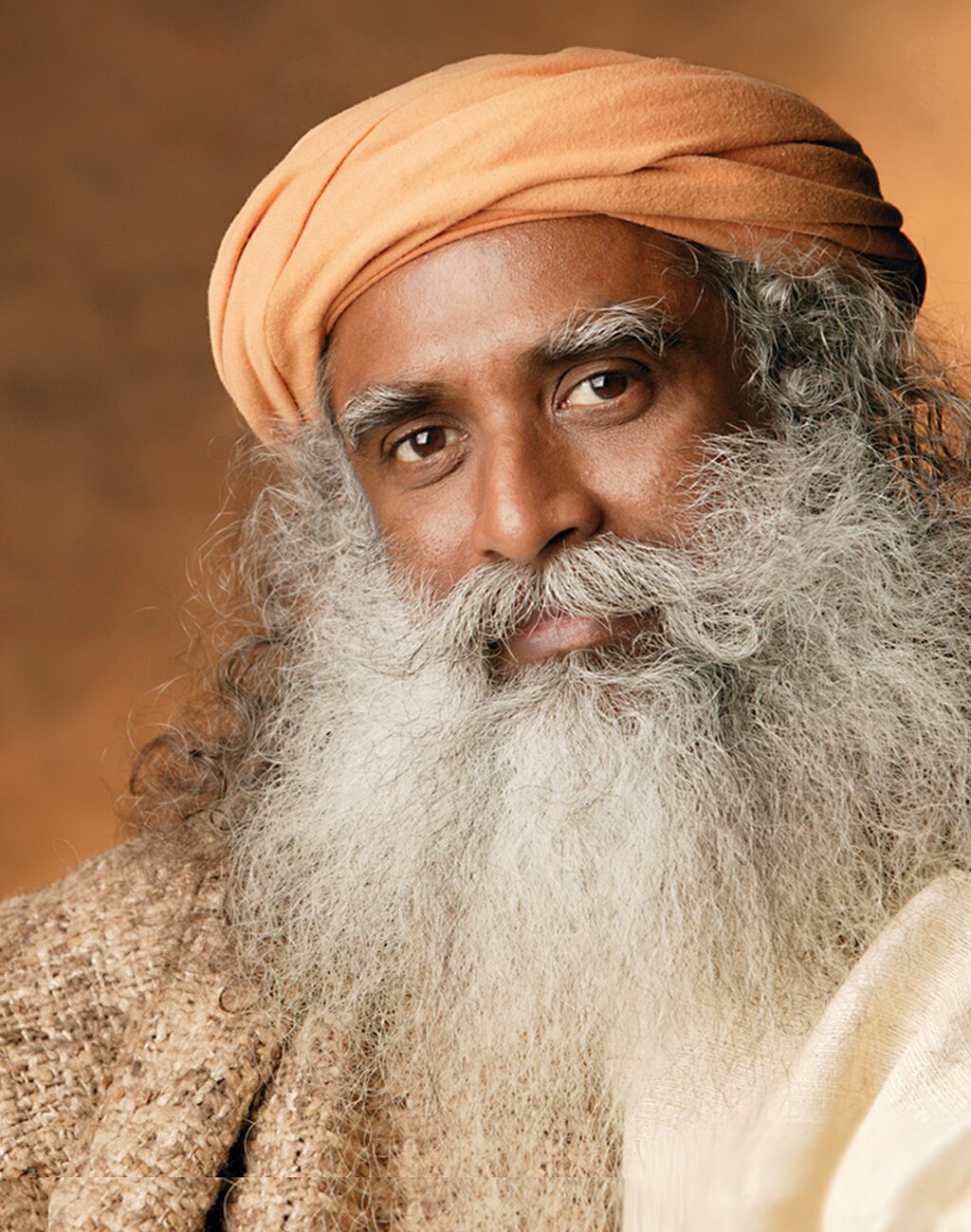
In the words of Sadhguru, "Whatever you call yoga is just to bring you into a state of utter stability." This statement invites us to reflect on the essence of yoga beyond its physical postures and practices. It emphasizes the profound goal of achieving a deep, unshakeable stability within ourselves, a state that transcends the chaos of daily life. Understanding this concept is crucial, as it reveals the transformative potential of yoga, not just as a practice but as a way of being.
To delve deeper, we must consider what it means to attain "utter stability." In a world characterized by constant change and uncertainty, the quest for inner stability becomes increasingly relevant. Sadhguru's assertion suggests that the true purpose of yoga is not merely physical fitness or mental clarity, but rather the cultivation of a profound inner equilibrium. This stability allows us to navigate life's challenges with grace and resilience, fostering a sense of peace that is both grounding and liberating.
The image / the metaphor
At its core, Sadhguru's quote conjures an image of stillness amidst turbulence. The term "utter stability" evokes a sense of unwavering calm, akin to a deep-rooted tree that withstands the fiercest storms. The choice of the word "whatever" implies that the specific practices or labels we attach to yoga are secondary to the ultimate goal of achieving this state of stability. The verbs "bring you into" suggest an active process, one that requires intention and effort, yet also hints at a natural unfolding of our true essence.
Delving deeper into this metaphor, we can see that stability is not a static state but a dynamic equilibrium. It is the ability to remain centered and balanced even when external circumstances are challenging. This notion resonates with the yogic understanding of prajna, or wisdom, which encourages us to cultivate discernment and clarity in our thoughts and actions. Just as a skilled sailor learns to navigate the waves, so too must we learn to find our footing in the ebb and flow of life.
In the speaker's tradition
Sadhguru's teachings are deeply rooted in the ancient tradition of yoga, which encompasses a holistic approach to life. In this context, stability can be understood through the lens of dharma, the principle of cosmic order and duty. When we align ourselves with our true nature and purpose, we naturally cultivate a sense of stability that transcends the fluctuations of our external circumstances. This alignment fosters a deeper connection to ourselves and the world around us, allowing us to navigate life with grace.
Moreover, the concept of kenosis, or self-emptying, resonates with Sadhguru's emphasis on stability. By letting go of our attachments and preconceived notions, we create space for a more profound experience of life. This idea is echoed in various yogic texts, such as the Bhagavad Gita, where the importance of equanimity in the face of dualities is highlighted. In Chapter 2, Verse 48, Krishna advises Arjuna to perform his duty with equanimity, emphasizing that true stability arises from a balanced mind and heart.
Living the teaching
Consider a modern scenario where the teaching of stability through yoga can be applied: imagine a busy professional facing the pressures of deadlines and expectations. In such moments, the practice of yoga can serve as a refuge, providing tools to cultivate inner calm. By engaging in mindful breathing or a brief meditation, one can reconnect with that state of utter stability, allowing the chaos of the external world to recede momentarily. This practice not only enhances focus but also fosters resilience against stress, enabling a more balanced approach to work and life.
In a different context, think about a challenging relationship where misunderstandings and conflicts arise frequently. Here, the essence of Sadhguru's teaching can be transformative. By approaching the relationship with a sense of stability, one can respond rather than react, fostering open communication and understanding. This stability allows for a deeper connection, as both individuals can engage from a place of calm rather than turmoil. In this way, the practice of yoga becomes a tool for nurturing relationships, encouraging compassion and empathy amidst life's inevitable challenges.
A reflection
As we contemplate Sadhguru's profound statement, we are invited to ask ourselves: "What practices can I incorporate into my life to cultivate a deeper sense of stability?" This question encourages us to explore our own relationship with yoga and the ways in which we can align our actions with our inner essence. By reflecting on this inquiry, we can begin to uncover the layers of our being, moving toward a state of utter stability that enriches not only our own lives but also the lives of those around us.