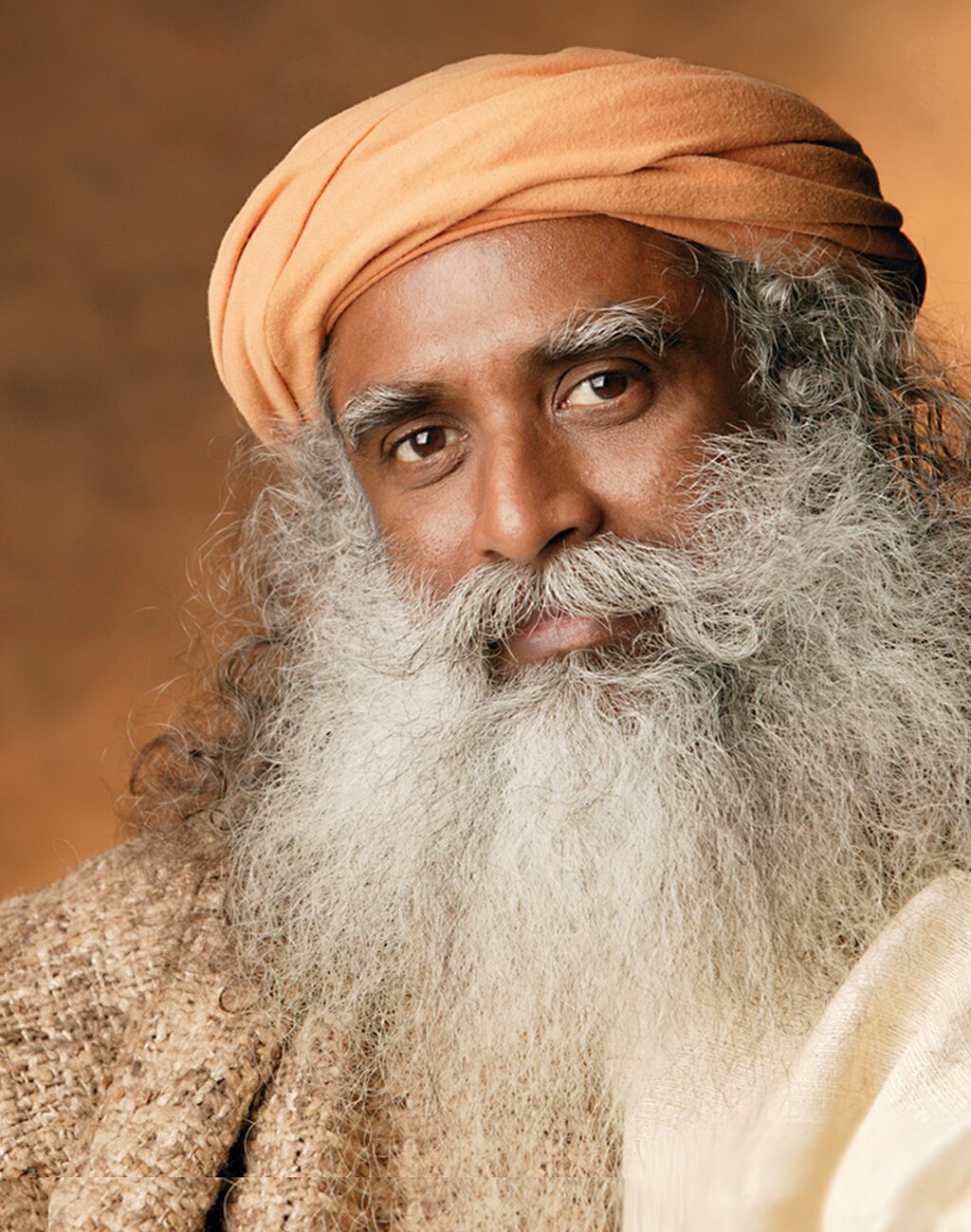
Sadhguru's assertion, "What you do with this moment is your life," invites us to reflect on the profound significance of the present. In a world often preoccupied with the past or future, this statement serves as a gentle reminder that our true existence unfolds in the here and now. The choices we make in each fleeting moment shape our experiences, relationships, and ultimately, our very essence. Understanding this concept is not merely an intellectual exercise; it is a call to awaken to the richness of life that exists in the present.
To delve deeper into this notion, we must recognize that each moment is imbued with potential. It is in the present that we can cultivate awareness, make conscious decisions, and engage fully with our surroundings. Sadhguru's words challenge us to consider how often we allow our minds to drift away from the immediacy of life, caught in the web of distractions and worries. By embracing the present, we can transform our existence from a series of disconnected events into a cohesive narrative, rich with meaning and purpose.
The image / the metaphor
The imagery in Sadhguru's quote evokes a sense of immediacy and urgency. The phrase "what you do" suggests action, a dynamic engagement with life that requires our full attention. The word "moment" encapsulates the transient nature of time, reminding us that each instant is unique and irreplaceable. The choice of the verb "do" emphasizes agency; it is not merely about existing in the moment but actively participating in it. This call to action invites us to consider how we can infuse our daily lives with intention and mindfulness.
Diving deeper into the metaphor, we can see that each moment is a canvas upon which we paint our experiences. Just as an artist chooses colors and strokes to create a masterpiece, we too have the power to shape our lives through our choices and actions. The quote suggests that life is not a passive experience but rather an active engagement with the world around us. By recognizing the significance of each moment, we can cultivate a deeper appreciation for the beauty and complexity of existence, transforming the mundane into the extraordinary.
In the speaker's tradition
Sadhguru's teachings are rooted in the ancient wisdom of yoga, which emphasizes the importance of presence and awareness. Central to this tradition is the concept of dharma, or living in alignment with one's true purpose. By focusing on the present moment, we can better discern our path and make choices that resonate with our authentic selves. This idea parallels the notion of kenosis, or self-emptying, found in various spiritual traditions, where letting go of preconceived notions allows for a deeper connection to the present.
In the context of yoga philosophy, the practice of mindfulness aligns closely with the teachings of prajna, or wisdom. The Yoga Sutras of Patanjali emphasize the importance of awareness in achieving liberation, suggesting that true understanding arises when we are fully present. By embodying Sadhguru's message, we engage in a practice that transcends mere existence, allowing us to cultivate a life rich with meaning and insight.
Living the teaching
Consider a modern scenario where this teaching resonates: a busy professional caught in the whirlwind of deadlines and meetings. In such a context, it is easy to become overwhelmed, allowing the mind to race ahead to future tasks while neglecting the present moment. By consciously choosing to focus on the task at hand, whether it be a conversation with a colleague or a project deadline, one can transform the experience from a source of stress into an opportunity for engagement and connection. This shift not only enhances productivity but also fosters a sense of fulfillment.
Another application of this teaching can be found in personal relationships. Imagine a moment of conflict with a loved one, where emotions run high and misunderstandings abound. By grounding oneself in the present and choosing to listen actively, rather than reacting impulsively, one can navigate the situation with greater compassion and clarity. This practice of presence not only deepens the connection between individuals but also cultivates a space for healing and understanding, illustrating how our choices in the moment can profoundly impact our relationships.
A reflection
As we contemplate Sadhguru's profound statement, we are invited to ask ourselves: "How can I bring greater awareness to my present moments?" This question encourages us to explore the ways in which we might be unconsciously drifting through life, missing opportunities for connection and growth. By reflecting on this inquiry, we can begin to cultivate a deeper appreciation for the richness of each moment, transforming our lives into a tapestry woven with intention and presence.