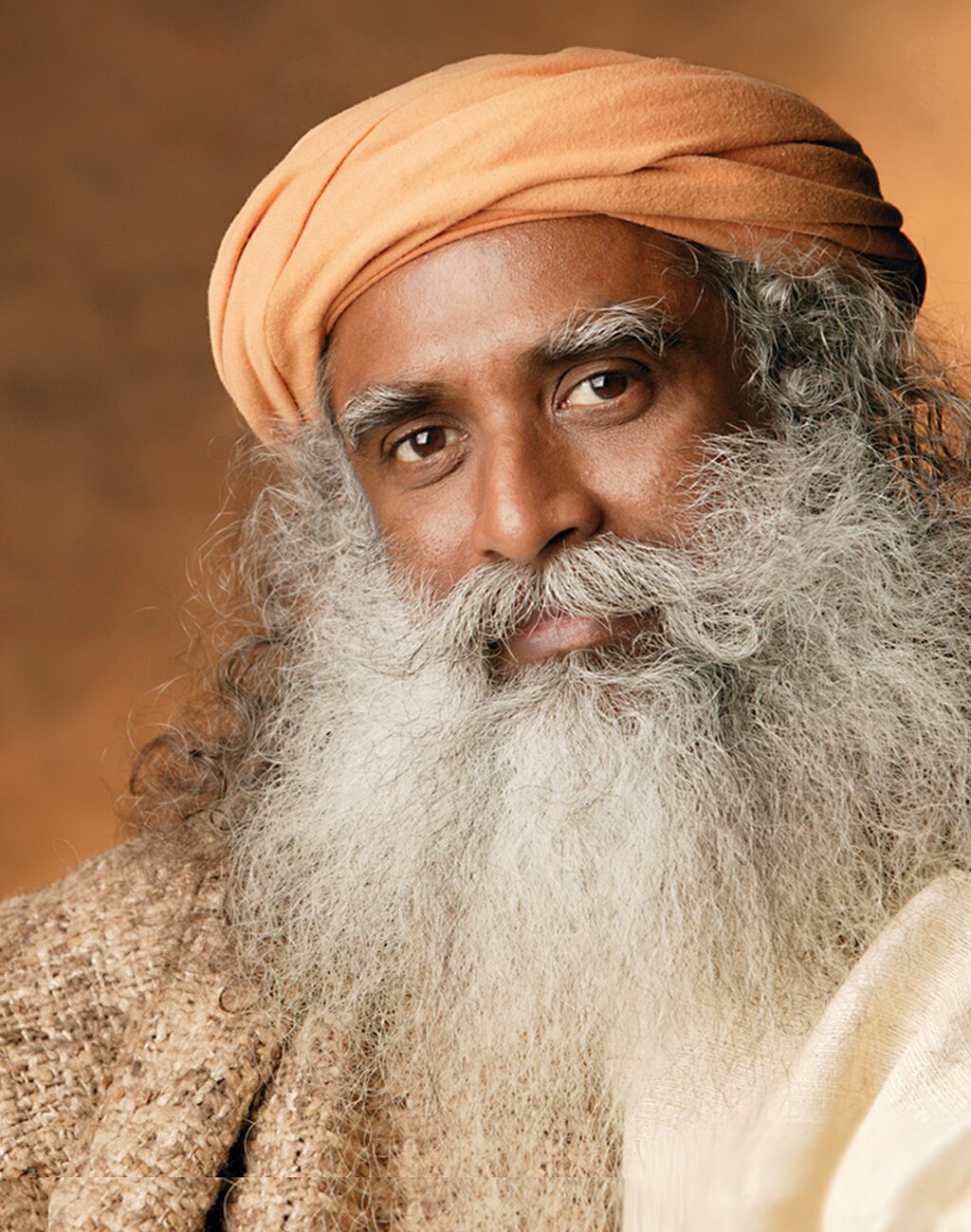
In the words of Sadhguru, "Inner well-being is not something you have to find. It is just something you have to allow." This profound statement invites us to reconsider our approach to well-being, suggesting that it is not a distant goal to be chased but rather a state of being that exists within us, waiting to be acknowledged. The stakes are high; in a world that often equates happiness with external achievements, this teaching encourages a shift in perspective, urging us to turn inward and cultivate a sense of peace that is inherently ours.
To allow inner well-being is to recognize the layers of our existence that often remain overshadowed by the noise of daily life. It challenges the prevailing notion that fulfillment must be pursued through external validation or material success. Instead, Sadhguru's insight beckons us to explore the depths of our own consciousness, suggesting that the key to well-being lies not in relentless striving but in the gentle act of allowing ourselves to be. This approach resonates deeply in a culture that frequently overlooks the richness of interiority, reminding us that our true essence is already present, waiting to be embraced.
The image / the metaphor
The imagery in Sadhguru's quote evokes a sense of spaciousness and receptivity. The verbs "have to find" and "have to allow" create a contrast between the frantic search for well-being and the serene acceptance of it. This distinction is crucial; finding implies a journey, a quest filled with effort and struggle, while allowing suggests a softening, an opening to what is already there. The felt sense of this teaching is one of relief, as it invites us to release the burdens of expectation and instead, cultivate a nurturing environment within ourselves.
Diving deeper into the metaphor, we can envision inner well-being as a garden that requires our attention but not our force. Just as a gardener does not create the flowers but rather provides the conditions for them to bloom, we too must create a fertile ground for our inner peace to flourish. This act of allowing is akin to surrendering to the natural rhythms of life, trusting that our well-being is not a product of our efforts but a manifestation of our inherent nature. In this light, the journey becomes one of cultivation rather than conquest.
In the speaker's tradition
Sadhguru's teachings are deeply rooted in the yogic tradition, which emphasizes the importance of self-awareness and inner exploration. Concepts such as dharma, or one's true path, and prajna, or wisdom, are integral to understanding how allowing can lead to a more profound sense of well-being. In yoga philosophy, the idea of kenosis, or self-emptying, parallels Sadhguru's message, suggesting that by letting go of our preconceived notions and desires, we create space for our true selves to emerge. This aligns with the notion of sunyata, or emptiness, which teaches that true fulfillment arises from the absence of clinging and attachment.
In the Bhagavad Gita, a foundational text in yoga philosophy, Krishna advises Arjuna to act without attachment to the fruits of his actions. This teaching resonates with Sadhguru's assertion that well-being is not something to be found but rather something to be allowed. By relinquishing our attachment to outcomes and embracing the present moment, we align ourselves with the flow of life, discovering that inner peace is not a destination but a state of being that is always accessible.
Living the teaching
Consider a modern scenario where this teaching can be applied: imagine a professional grappling with the pressures of career advancement. In the relentless pursuit of success, they may feel overwhelmed, believing that their worth is tied to their achievements. However, by embracing Sadhguru's insight, they can shift their focus from the external markers of success to an internal sense of well-being. This might involve taking a step back, practicing mindfulness, and allowing themselves to experience joy in the present moment, regardless of their professional status.
Another application of this teaching can be found in personal relationships. Picture a couple facing challenges, where one partner feels the need to "fix" the other or the relationship itself. By allowing space for vulnerability and acceptance, rather than striving for perfection or control, they can foster a deeper connection. This act of allowing creates an environment where both partners can express their true selves, leading to a more authentic and fulfilling relationship. In both scenarios, the essence of Sadhguru's teaching is clear: well-being flourishes when we create space for it, rather than chase after it.
A reflection
As we contemplate Sadhguru's words, we are invited to reflect on our own lives: What barriers do we erect that prevent us from experiencing our inherent well-being? In what ways can we practice allowing, rather than striving, in our daily routines? This contemplation encourages us to explore the subtle yet profound shifts that can occur when we embrace the art of allowing, opening ourselves to the possibility that inner peace is not a distant goal but a present reality waiting to be acknowledged.