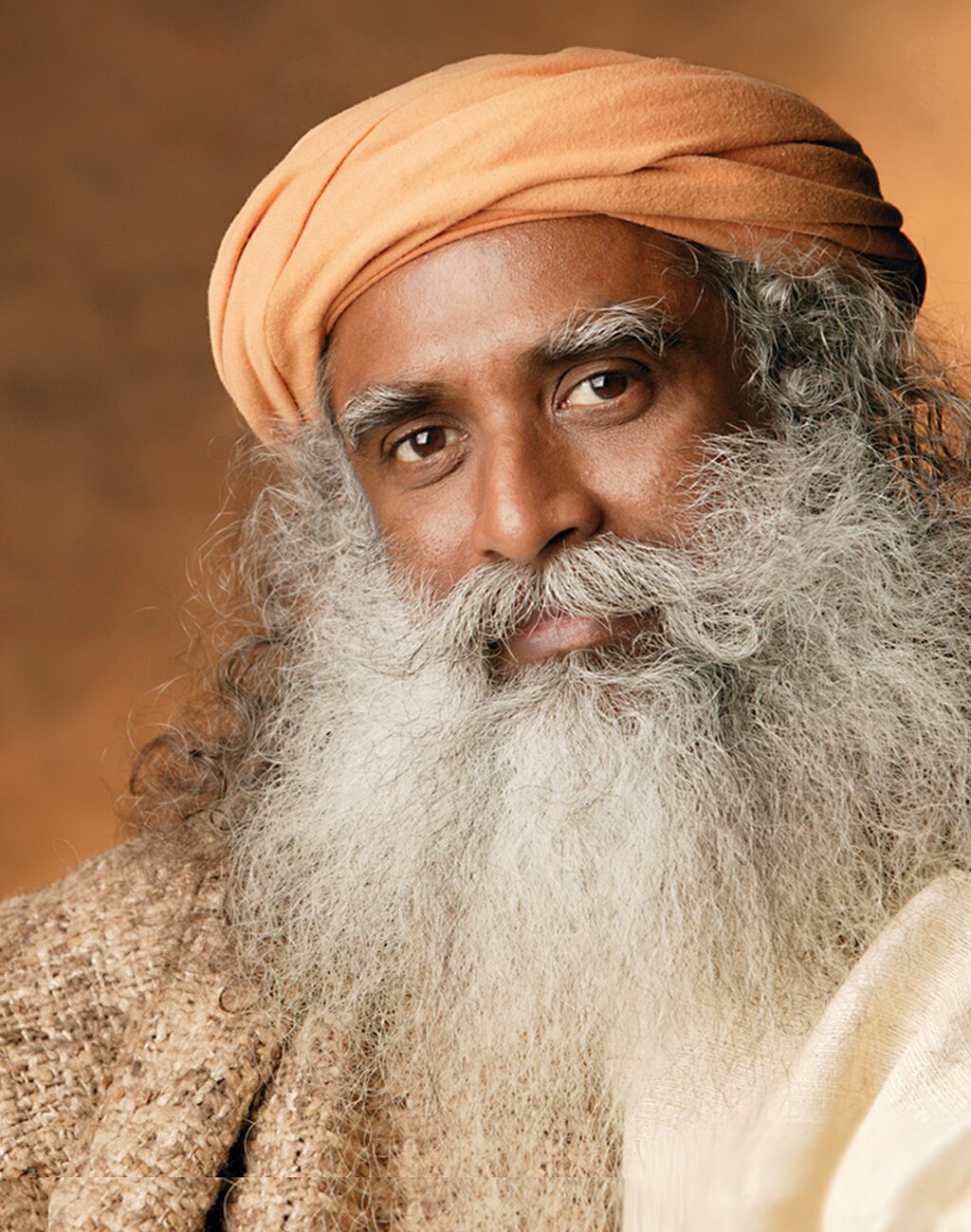
“Awareness is the only thing that can liberate you.” This profound statement by Sadhguru encapsulates the essence of spiritual awakening and personal freedom. At its core, it suggests that true liberation is not found in external circumstances or material possessions, but rather in the depth of our own consciousness. This insight is crucial in a world often dominated by distractions and superficial pursuits, reminding us that the key to our freedom lies within.
To deepen our understanding, we must recognize that awareness is not merely a passive state of being; it is an active engagement with the present moment. It invites us to observe our thoughts, emotions, and experiences without attachment or judgment. In this way, awareness becomes a transformative force, enabling us to break free from the chains of conditioning and habitual patterns that confine us. Sadhguru’s assertion challenges us to cultivate this awareness as a daily practice, emphasizing its role as the gateway to liberation.
The image / the metaphor
When Sadhguru speaks of awareness as a liberating force, he employs imagery that evokes a sense of awakening and clarity. The verb "liberate" suggests a release from bondage, conjuring visions of breaking free from the constraints that bind us. Awareness acts as a light illuminating the shadows of our subconscious, allowing us to see the truth of our existence. This imagery resonates deeply, as it portrays awareness not just as a passive observation but as an active, dynamic process that can transform our lives.
Delving deeper into this metaphor, we can liken awareness to a key that unlocks the door to our inner sanctum. It is through the practice of awareness that we can access the deeper layers of our being, revealing the essence of who we truly are. This journey inward is not always comfortable; it requires courage to confront the aspects of ourselves that we may prefer to ignore. Yet, it is precisely in this confrontation that liberation occurs, as we shed the illusions that have kept us confined.
In the speaker's tradition
Sadhguru’s teachings are rooted in the ancient tradition of yoga, which emphasizes the importance of self-awareness and inner exploration. In this context, awareness aligns closely with concepts such as dharma, the path of righteousness, and prajna, or wisdom. Both concepts highlight the necessity of understanding oneself and one’s place in the universe as a means to achieve liberation. The practice of yoga, therefore, becomes a vehicle through which we cultivate awareness, allowing us to navigate the complexities of life with greater clarity and purpose.
Moreover, the notion of awareness as liberation can be found in various spiritual texts across traditions. For instance, in the Bhagavad Gita, Krishna imparts wisdom to Arjuna, urging him to rise above his attachments and act with awareness of his true self. This call to action resonates with Sadhguru’s message, emphasizing that liberation is not a passive state but an active engagement with our inner truth. The Gita’s teachings remind us that through awareness, we can transcend the dualities of life and align with our higher purpose.
Living the teaching
Consider a modern scenario where this teaching can be applied: a busy professional facing overwhelming stress and anxiety. In such moments, the practice of awareness can serve as a powerful tool for liberation. By taking a step back and observing one’s thoughts and feelings without judgment, the individual can begin to disentangle from the chaos of external demands. This practice allows for a moment of clarity, where one can recognize that their worth is not defined by productivity but by their inherent being. Through awareness, they can reclaim their sense of self amidst the noise.
Another application of this teaching might arise in the context of relationships. Imagine a couple navigating a conflict, each entrenched in their perspectives. By cultivating awareness, they can step outside their emotional reactions and observe the dynamics at play. This shift allows them to communicate more openly and empathetically, fostering a deeper understanding of each other. In this way, awareness not only liberates the individual but also enhances the quality of relationships, creating space for healing and connection.
A reflection
As we contemplate Sadhguru’s assertion that “awareness is the only thing that can liberate you,” we are invited to reflect on our own lives. What areas remain shrouded in unconscious patterns or limiting beliefs? In what ways can we cultivate a deeper awareness of ourselves and our experiences? These questions serve as a starting point for our journey toward liberation, encouraging us to explore the transformative power of awareness in our daily lives.