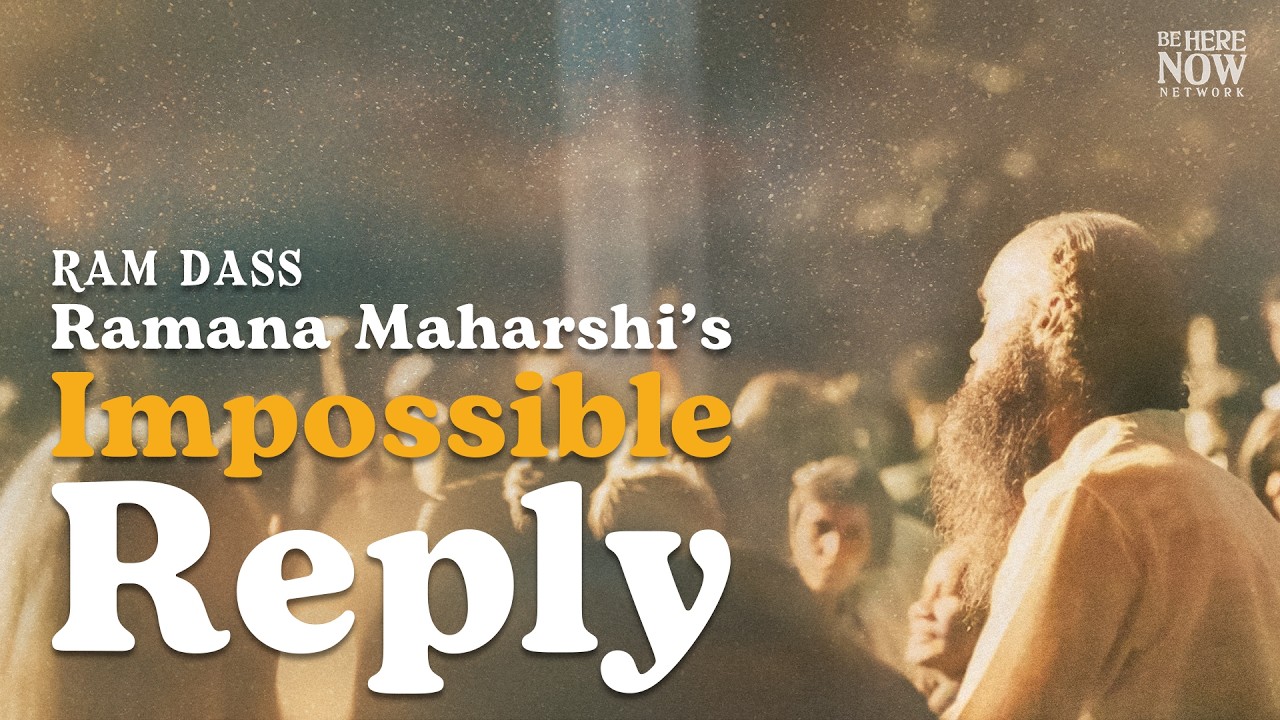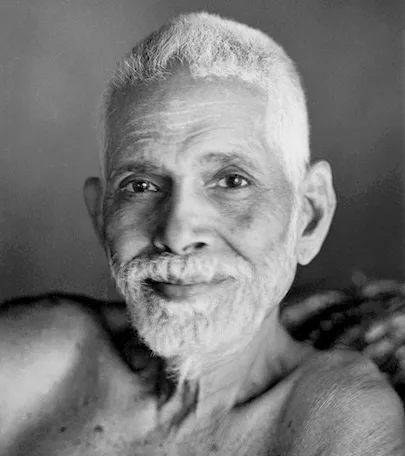
In the profound words of Ramana Maharshi, "Trust God. Surrender unconditionally. Either of these is the path." This statement encapsulates a fundamental aspect of spiritual life: the necessity of relinquishing control and placing our faith in a higher power. The stakes are high; in a world often dominated by uncertainty and fear, the act of surrender can lead to liberation and peace. Embracing this teaching invites us to explore the depths of our faith and the transformative power of letting go.
To surrender unconditionally is not merely to accept the circumstances of our lives but to engage in a profound act of trust. It challenges our instinctual need for control and invites us to recognize the limitations of our understanding. This teaching resonates deeply within the human experience, as we often grapple with the tension between our desires and the unfolding of life. By embracing the path of surrender, we open ourselves to the possibility of grace, allowing the divine to guide us in ways we may not yet comprehend.
The image / the metaphor
At the heart of Maharshi's quote lies a rich tapestry of imagery that evokes both trust and surrender. The verbs "trust" and "surrender" are not passive; they are active engagements with the divine. Trusting God suggests a relationship built on faith, where one leans into the unknown with confidence. Surrendering unconditionally, on the other hand, implies a complete release of the ego's grip, allowing the flow of life to carry us where we need to go. This duality of trust and surrender creates a dynamic interplay, inviting us to dance with the divine rather than resist its rhythm.
Diving deeper into the metaphor, we can envision surrender as a river flowing toward the ocean. The river, representing our individual lives, may encounter obstacles and twists along the way, yet its ultimate destination remains clear. Trusting in this journey means recognizing that every bend and rapid is part of a greater design. In this sense, surrender is not a defeat but a profound acceptance of the natural course of existence, where we become one with the current rather than fighting against it.
In the speaker's tradition
Ramana Maharshi's teachings are deeply rooted in the Hindu tradition, particularly in the concepts of bhakti (devotion) and jnana (knowledge). The act of surrender is often associated with bhakti, where the devotee places their faith in the divine, recognizing that true liberation comes from relinquishing the ego's desires. This aligns with the notion of dharma, where one follows their path in harmony with the universe, trusting that the divine will guide them toward their highest good.
In the context of Hindu scriptures, the Bhagavad Gita offers a poignant parallel to Maharshi's message. In Chapter 18, Krishna advises Arjuna to "surrender all forms of religion and just surrender unto Me." This call to surrender encapsulates the essence of faith, urging individuals to let go of their preconceived notions and trust in the divine will. Both Maharshi and the Gita illuminate the path of surrender as a means to transcend the limitations of the self and connect with the infinite.
Living the teaching
Consider a modern scenario where this teaching resonates: a person facing a significant life transition, such as a job loss or the end of a relationship. In such moments, the instinct may be to cling tightly to what is familiar, to resist the change that feels threatening. However, embracing Maharshi's teaching invites this individual to trust in the unfolding of their life, to surrender the need for certainty, and to remain open to new possibilities. This act of surrender can lead to unexpected opportunities and personal growth, transforming a seemingly negative experience into a catalyst for renewal.
Another application of this teaching can be found in the realm of relationships. When conflicts arise, the urge to defend one's position can create barriers to understanding and connection. By practicing unconditional surrender, one can let go of the need to be right and instead approach the situation with compassion and openness. This shift not only fosters deeper intimacy but also aligns with the spiritual principle of recognizing the divine in others, allowing love and understanding to flourish in the space created by surrender.
A reflection
As we contemplate the wisdom of Ramana Maharshi, we are invited to reflect on our own lives: What does it mean for us to trust in the divine? In what areas are we holding on too tightly, resisting the natural flow of life? By engaging with these questions, we can begin to uncover the layers of our own surrender, exploring how faith can guide us through uncertainty and into a deeper relationship with the divine.