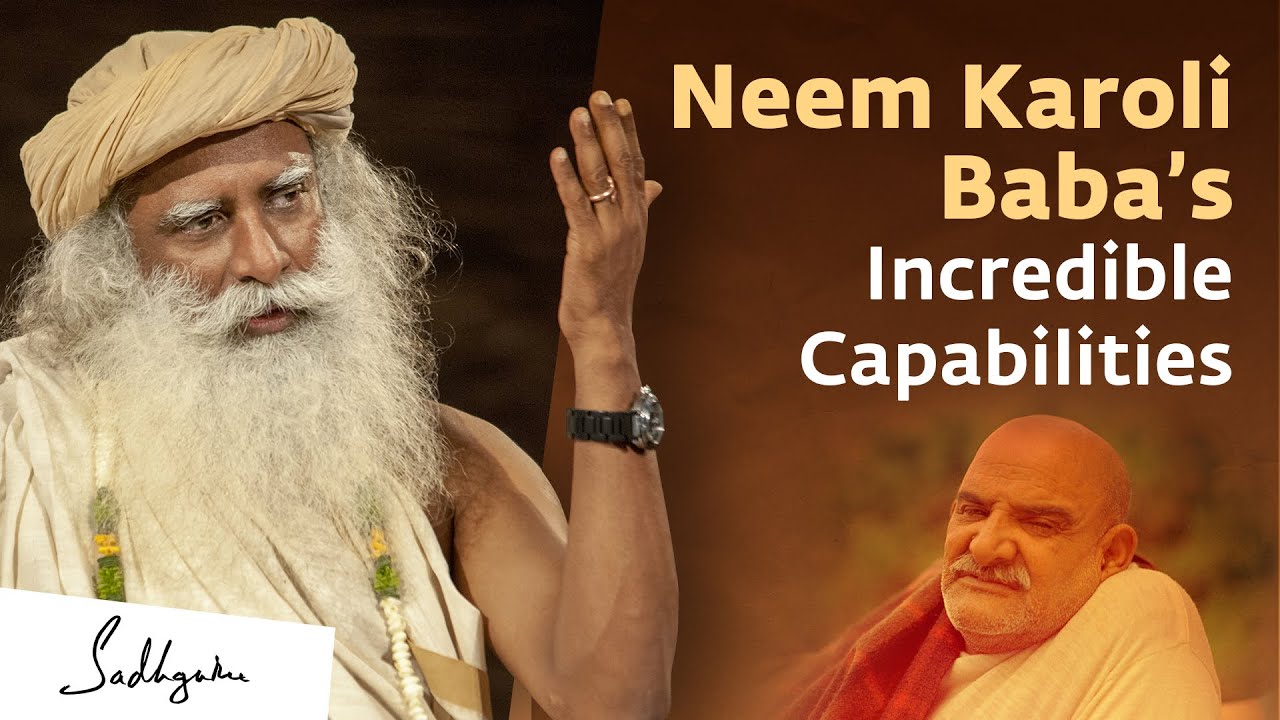
The Divine Encounter in Every Act of Service
Neem Karoli Baba's profound assertion, "To serve a guest is to serve God," invites us to reconsider the nature of hospitality and service. At its core, this statement transcends the mundane act of welcoming others into our homes; it elevates the act of serving to a sacred duty. In a world often marked by division and self-interest, this teaching serves as a reminder that every interaction holds the potential for divine connection. It challenges us to see the divine presence in those we encounter, urging us to approach each moment with reverence and love.
Delving deeper, this quote encapsulates the essence of bhakti, the path of devotion that emphasizes love and service to others as a means of connecting with the divine. By framing service as a sacred act, Neem Karoli Baba invites us to cultivate a mindset that recognizes the inherent divinity in every individual. This perspective not only enriches our relationships but also transforms our understanding of spirituality, suggesting that our connection to the divine is woven into the very fabric of our interactions with others.
The image / the metaphor
The imagery in Neem Karoli Baba's quote is both simple and profound. The term "guest" evokes a sense of honor and respect, suggesting that those who enter our lives—whether temporarily or permanently—should be treated with the utmost care. The verb "serve" implies an active engagement, a willingness to put aside our own needs and desires to attend to another. This dynamic creates a felt sense of warmth and openness, inviting us to embrace the idea that every person we encounter is deserving of our attention and compassion.
In the speaker's tradition
Neem Karoli Baba's teachings are deeply rooted in the tradition of bhakti, which emphasizes love and devotion as the primary means of connecting with the divine. In this context, the act of serving others is seen as a manifestation of one's dharma, or duty, to honor the divine presence in all beings. This aligns with the concept of kenosis, the self-emptying love that allows us to be fully present for others, as well as the idea of sunyata, or emptiness, which encourages us to let go of our attachments and ego-driven desires in order to serve selflessly.
A relevant text that echoes this sentiment is the Bhagavad Gita, where Krishna teaches Arjuna about the importance of selfless action. In Chapter 3, Verse 19, Krishna states, "Therefore, without being attached to the fruits of activities, one should act according to the regulations of the scriptures." This aligns beautifully with Neem Karoli Baba's message, suggesting that serving others is not only a duty but also a means of aligning ourselves with a higher purpose, ultimately leading us closer to the divine.
Living the teaching
Consider a modern scenario where this teaching can be applied: a community meal program where volunteers serve food to those in need. In this setting, each volunteer has the opportunity to embody Neem Karoli Baba's teaching by recognizing the divine presence in every guest they serve. As they dish out meals and share smiles, they are not merely providing sustenance; they are engaging in a sacred act of service that fosters connection and compassion. This experience can transform both the giver and the receiver, creating a shared sense of humanity and divine presence.
Another application of this teaching can be found in our personal relationships. Imagine a moment of conflict with a loved one, where tensions run high and misunderstandings abound. By approaching the situation with the mindset that serving the other person—listening, empathizing, and offering support—is akin to serving God, we can shift our perspective from one of defensiveness to one of compassion. This practice not only deepens our relationships but also allows us to experience the divine in the midst of our struggles, reminding us that love and service are intertwined even in our most challenging moments.
A reflection
As we contemplate Neem Karoli Baba's profound statement, we are invited to reflect on the nature of our interactions with others. How can we cultivate a mindset that sees every encounter as an opportunity to serve the divine? In what ways can we transform our daily actions into acts of devotion, recognizing the sacredness in the simple act of serving those around us? This contemplation encourages us to deepen our understanding of service and to embrace the divine presence that resides in every guest we welcome into our lives.