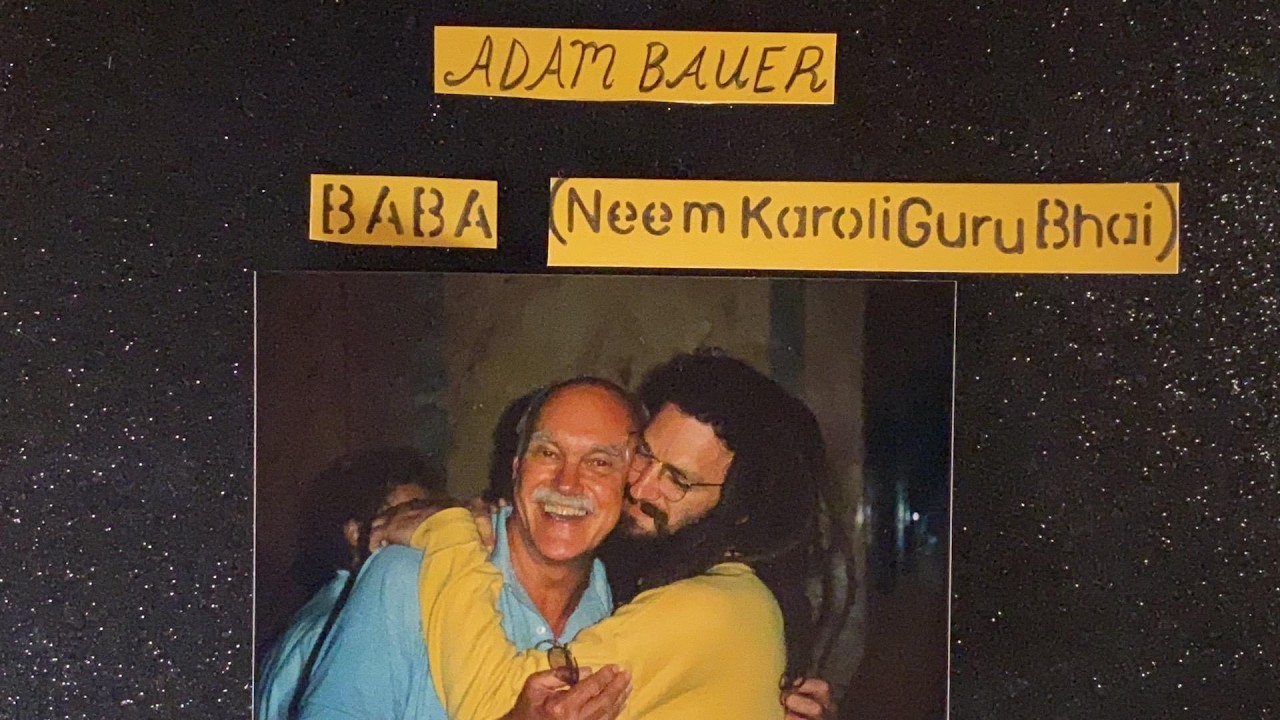
Neem Karoli Baba's assertion, "The truth is, you are God. You just don't know it," invites us to explore the profound depths of our identity and existence. This statement challenges the very fabric of our self-perception, urging us to recognize the divine essence that resides within each of us. The stakes are high; understanding this truth can lead to a transformative awakening, reshaping not only our personal lives but also our interactions with the world around us.
In a society often preoccupied with external validation and material success, this quote serves as a gentle reminder of our intrinsic worth and connection to the divine. It beckons us to look beyond the surface of our daily struggles and to recognize the sacred within ourselves and others. This awakening is not merely an intellectual exercise but a heartfelt journey toward realizing our true nature, which is inherently divine and interconnected with all of existence.
The image / the metaphor
The imagery in Neem Karoli Baba's quote is both striking and profound. By stating that "you are God," he employs a bold declaration that challenges conventional notions of divinity as something external or separate from ourselves. The verb "are" signifies a state of being, suggesting that this divine essence is not a distant goal to be achieved but rather a fundamental aspect of our identity that we have yet to fully recognize. The phrase "you just don't know it" implies a veil of ignorance that can be lifted, revealing the truth of our existence.
Diving deeper into the metaphor, we can see that this statement speaks to the concept of awakening—a theme prevalent in many spiritual traditions. The idea that we are inherently divine suggests that our true nature is obscured by layers of conditioning, fear, and misunderstanding. Just as a cloud may obscure the sun, our limited perceptions can cloud our awareness of our divine essence. The journey of self-discovery, then, becomes one of peeling back these layers to reveal the light that has always been within us.
In the speaker's tradition
Neem Karoli Baba's teachings are deeply rooted in the bhakti tradition, which emphasizes love and devotion as pathways to realizing the divine. In this context, the notion of recognizing oneself as God aligns with the concept of *bhakti*, or devotion, where the devotee sees the divine in all beings and ultimately within themselves. This perspective resonates with the idea of *kenosis*, the self-emptying of one's ego to make space for divine presence, and *sunyata*, the emptiness that allows for the fullness of divine love to manifest.
Living the teaching
Consider a modern scenario where this teaching can be applied: a workplace conflict. Imagine two colleagues who are at odds, each feeling misunderstood and undervalued. If they were to embrace the understanding that each is a reflection of the divine, they might approach their disagreement with compassion rather than hostility. Recognizing the divine essence in one another could transform their interaction from one of conflict to one of collaboration, fostering a deeper sense of unity and understanding.
Another application of this teaching can be found in personal relationships. In moments of frustration or anger, we often forget the sacredness of the other person, viewing them through the lens of our grievances. By remembering that "you are God," we can cultivate a sense of reverence for those around us, even in challenging moments. This shift in perspective allows us to respond with love and patience, nurturing our connections and fostering a more harmonious existence.
A reflection
As we contemplate Neem Karoli Baba's profound statement, we are invited to ask ourselves: "In what ways do I forget my divine nature, and how can I begin to remember it in my daily life?" This question encourages us to explore the barriers that obscure our awareness of the sacred within ourselves and others. By engaging with this inquiry, we open the door to a deeper understanding of our identity and the transformative power of recognizing our inherent divinity.