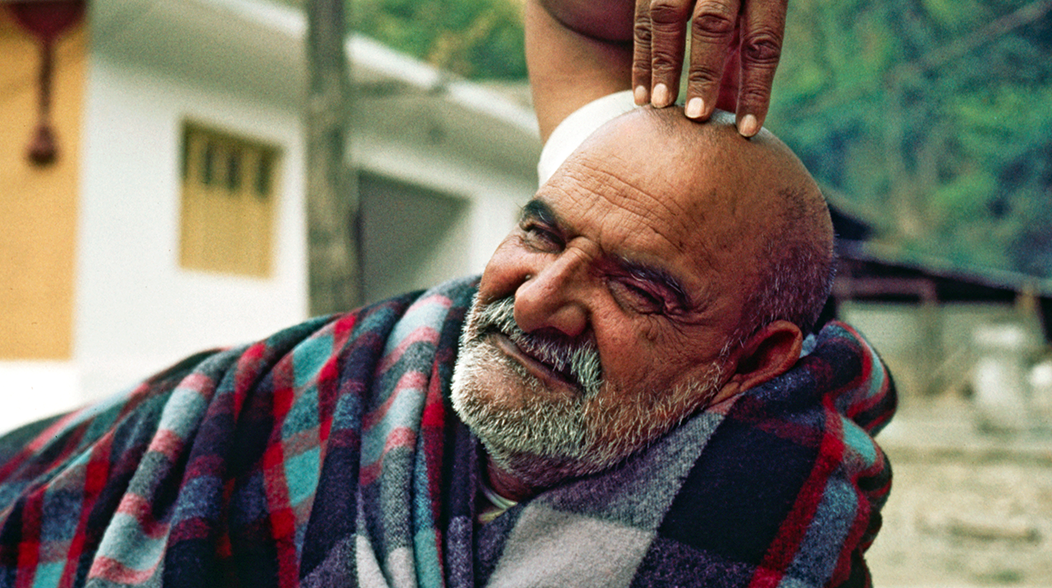
“Surrender to the will of God. He knows what is best.” This profound statement by Neem Karoli Baba invites us to relinquish our tightly held desires and expectations, placing our trust in a higher wisdom. In a world often characterized by uncertainty and chaos, this call to surrender becomes a lifeline, urging us to let go of our need for control and to embrace the flow of life as it unfolds. The stakes are high; our ability to navigate life’s challenges hinges on our willingness to trust in something greater than ourselves.
At its core, this quote encapsulates the essence of bhakti, a devotional path that emphasizes love and surrender to the divine. It challenges us to confront our fears and anxieties about the future, reminding us that the universe operates on a level of intelligence and compassion that often eludes our understanding. By surrendering to God’s will, we open ourselves to a transformative journey, one that leads us toward peace, fulfillment, and a deeper connection with the divine.
The image / the metaphor
The imagery of surrender evokes a sense of yielding, of laying down one’s arms in a battle that often feels relentless. The verb "surrender" suggests an active choice, a conscious decision to release our grip on the reins of life. It is not a passive resignation but rather a courageous act of trust, akin to a leaf letting go of its branch to dance with the wind. This act of surrender is imbued with a felt sense of vulnerability, yet it is also a profound expression of faith in the divine order of things.
In the speaker's tradition
Neem Karoli Baba’s teachings are deeply rooted in the bhakti tradition, which emphasizes devotion and love for God as the path to spiritual realization. Central to this tradition is the concept of dharma, or the moral order of the universe, which guides us toward our true purpose. Surrendering to God’s will aligns us with this divine order, allowing us to fulfill our unique role in the cosmic tapestry. This act of surrender can also be seen as a form of kenosis, the self-emptying of one’s will to make space for divine grace.
In the context of bhakti literature, we find echoes of this teaching in the Bhagavad Gita, where Krishna advises Arjuna to surrender his ego and act according to his dharma. The Gita emphasizes that true wisdom arises from recognizing our interconnectedness with the divine and the world around us. By surrendering to God’s will, we cultivate prajna, or wisdom, allowing us to navigate life’s complexities with clarity and compassion.
Living the teaching
Consider a modern scenario where this teaching resonates: a person facing a significant career change. The uncertainty of leaving a stable job for an unknown path can evoke fear and anxiety. Yet, by embracing the principle of surrender, this individual can shift their perspective, trusting that the universe has a plan for them. This trust allows them to approach the transition with openness, inviting new opportunities and experiences that may not have been visible when clinging to the familiar.
In the realm of relationships, surrendering to God’s will can manifest as letting go of the need to control outcomes. Imagine a couple navigating a difficult period; instead of forcing resolutions or harboring resentment, they can practice surrender by trusting in the process of healing. This trust fosters a deeper connection, allowing love to flourish in the space created by vulnerability and acceptance. In daily practice, such surrender can be cultivated through meditation, prayer, or simply moments of reflection, inviting us to align our hearts with the divine will.
A reflection
As we contemplate Neem Karoli Baba’s invitation to surrender, we might ask ourselves: What would it mean to truly trust in the divine will in my life? This question invites us to explore the areas where we resist surrender, to examine our fears and desires, and to consider how we might cultivate a deeper sense of faith. In this exploration, we may find that surrender is not an end but a beginning—a pathway to greater peace, love, and connection with the divine.