Turning Inward: The Journey of Self-Discovery
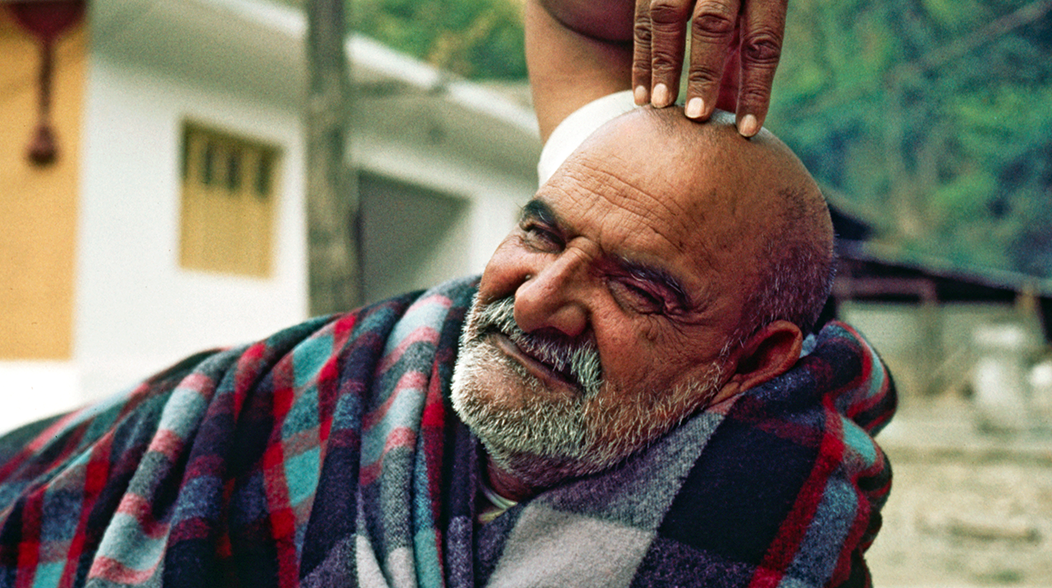
Neem Karoli Baba's exhortation to "Stop looking outside. Turn within" invites us to redirect our attention from the external world to the depths of our own being. In a culture that often equates worth with external validation and material success, this call to introspection is both radical and essential. It challenges us to seek fulfillment not in the transient pleasures of the world but in the abiding peace that resides within us. This shift in focus is not merely a suggestion; it is a profound invitation to explore the richness of our inner landscape.
In a world filled with distractions and noise, the act of turning inward can feel daunting. Yet, it is within this interior space that we can uncover our true selves, our deepest desires, and our authentic purpose. Neem Karoli Baba, a revered figure in the bhakti tradition, understood that the journey toward self-realization begins with a willingness to look beyond the surface. This inward journey is not just a solitary endeavor; it is a path that connects us to the divine essence that permeates all existence. By embracing this teaching, we open ourselves to a transformative experience that can lead to profound inner peace and understanding.
The image / the metaphor
The imagery in Neem Karoli Baba's quote is striking in its simplicity yet profound in its implications. The directive to "stop looking outside" evokes a sense of urgency, as if to say that the answers we seek are not found in the chaos of the external world but rather in the stillness of our own hearts. The verb "turn" suggests an active choice, a deliberate pivot away from the distractions that vie for our attention. This act of turning is not passive; it requires courage and intention, as we must confront the shadows and uncertainties that reside within.
Diving deeper into the metaphor, we can see that the act of turning within is akin to a journey into a vast, uncharted territory. It invites us to explore the depths of our consciousness, where we may encounter both beauty and discomfort. This inward exploration is reminiscent of the spiritual quest described in many traditions, where the seeker must navigate through layers of illusion to uncover the truth of their being. In this sense, Neem Karoli Baba's words serve as a compass, guiding us toward the inner sanctum where genuine wisdom and love reside.
In the speaker's tradition
Neem Karoli Baba's teachings are deeply rooted in the bhakti tradition, which emphasizes devotion and love for the divine. Central to this tradition is the concept of bhakti itself, which encourages a heartfelt connection with the divine presence within and around us. By turning inward, we engage in a form of spiritual practice that aligns with the principles of dharma, or righteous living, as we seek to understand our true nature and purpose. This inward journey can also be seen as a form of kenosis, the self-emptying of the ego, allowing us to be filled with divine love and wisdom.
In the context of bhakti, the act of turning within is not merely a personal endeavor; it is a communal experience that connects us to the larger tapestry of existence. Texts such as the Bhagavad Gita emphasize the importance of self-inquiry and the pursuit of knowledge (jnana) as a means to realize the divine within. The Gita teaches that true wisdom arises from understanding our interconnectedness with all beings, and this understanding is cultivated through introspection and devotion. Thus, Neem Karoli Baba's call to turn within resonates with the timeless wisdom found in these sacred texts.
Living the teaching
Consider a modern scenario where this teaching can be applied: a person finds themselves overwhelmed by the pressures of work and societal expectations. They may feel compelled to seek validation through achievements, promotions, or social status. In such moments, Neem Karoli Baba's words serve as a gentle reminder to pause and redirect their focus inward. By taking time for self-reflection—perhaps through meditation, journaling, or simply sitting in silence—they can begin to uncover their true motivations and desires, leading to a more authentic and fulfilling life.
Another application of this teaching can be found in relationships. When conflicts arise, it is easy to point fingers and assign blame to external circumstances or the actions of others. However, by turning within, we can examine our own reactions, fears, and insecurities that contribute to the discord. This introspective approach fosters empathy and understanding, allowing us to communicate more effectively and nurture deeper connections. In both personal and relational contexts, the practice of turning inward cultivates a sense of peace and clarity that can transform our experiences.
A reflection
As we contemplate Neem Karoli Baba's profound invitation to "stop looking outside" and "turn within," we are prompted to consider the nature of our own seeking. What are the external validations we chase, and how do they distract us from our inner truth? In this moment of reflection, we might ask ourselves: What does it mean for me to turn inward, and how can I cultivate a deeper relationship with my own heart and spirit? This question invites us to embark on a journey of self-discovery, revealing the treasures that lie within.