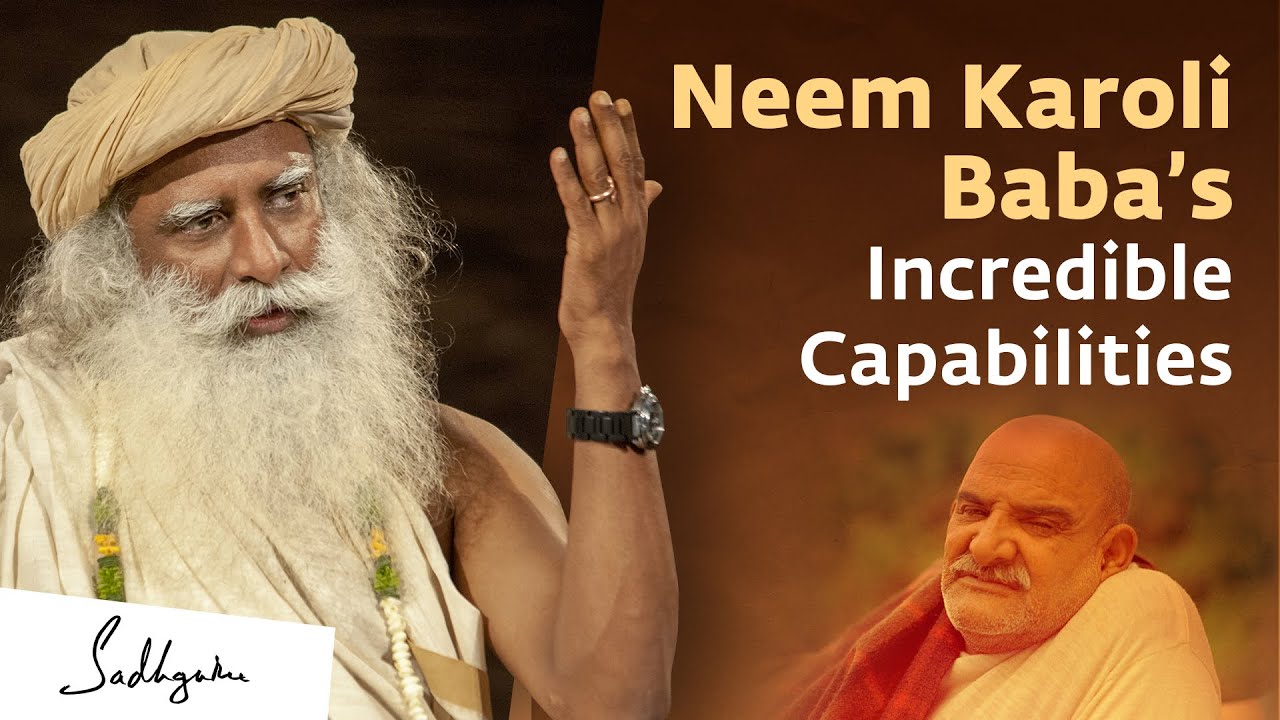
The Boundless Nature of Love: An Exploration of Maharaj-ji's Essence
The quote "Maharaj-ji is the love that has no opposite" invites us into a profound understanding of love as an absolute force, transcending dualities and divisions. In a world often characterized by conflict and separation, this assertion challenges us to reconsider our perceptions of love, urging us to recognize it as an all-encompassing essence rather than a mere emotion. The stakes of this realization are high; they compel us to explore the depths of our own hearts and the nature of our relationships with others, ourselves, and the divine.
To grasp the significance of this statement, we must delve into the implications of love devoid of opposition. It suggests a love that is unconditional, untainted by the dualities of like and dislike, acceptance and rejection. This perspective not only reshapes our understanding of interpersonal relationships but also invites us to cultivate a deeper connection with the universe itself. In this light, Neem Karoli Baba, affectionately known as Maharaj-ji, becomes a living embodiment of this love, guiding us toward a realization that transcends the limitations of our everyday experiences.
The image / the metaphor
The imagery in the quote evokes a sense of boundlessness, suggesting that Maharaj-ji's love is not confined by the typical boundaries we associate with affection. The phrase "has no opposite" implies a state of being that exists beyond the dualistic nature of human emotions. It conjures a vision of love as a vast ocean, where waves of joy and sorrow, acceptance and rejection, dissolve into a singular, unifying force. This love is not merely an emotion but a fundamental essence that permeates all existence, inviting us to immerse ourselves in its depths.
In the speaker's tradition
Neem Karoli Baba's teachings are deeply rooted in the bhakti tradition, which emphasizes devotion and love for the divine as the highest path to spiritual realization. Within this framework, the concept of love as an absolute aligns with the principles of bhakti, where the devotee seeks to dissolve the ego and merge with the divine essence. This journey often involves practices such as surrender (bhakti), selfless service (seva), and the cultivation of compassion, all of which reflect the unconditional love that Maharaj-ji embodies.
In the context of bhakti literature, we can draw parallels to the teachings found in texts such as the Bhagavad Gita, where the notion of surrendering to the divine will is paramount. The Gita speaks of a love that transcends personal desires and attachments, inviting us to embrace a higher purpose. Similarly, the concept of *fana* in Sufism, which refers to the annihilation of the self in the presence of the divine, resonates with Maharaj-ji's assertion of love as an all-encompassing force. Both traditions highlight the transformative power of love, urging us to dissolve our separateness and merge with the greater whole.
Living the teaching
Consider a modern scenario where this teaching can take root: a workplace conflict where misunderstandings and differing opinions create tension among colleagues. In such situations, the challenge often lies in our tendency to view others through the lens of opposition, labeling them as adversaries rather than fellow travelers on the path of life. By embodying Maharaj-ji's love that has no opposite, we can approach these interactions with compassion and understanding, seeking to bridge divides rather than deepen them. This shift in perspective can transform not only our relationships but also the overall atmosphere of our work environment.
Another application of this teaching can be found in personal relationships, particularly during moments of conflict or emotional turmoil. When faced with disagreements or hurt feelings, it is easy to fall into the trap of conditional love, where we withhold affection based on perceived slights. However, by embracing the essence of Maharaj-ji's love, we can cultivate a practice of unconditional acceptance, allowing us to navigate difficult conversations with empathy and grace. This approach not only fosters deeper connections but also encourages personal growth, as we learn to let go of the need for validation and embrace the inherent worth of ourselves and others.
A reflection
As we contemplate the profound nature of Maharaj-ji's love, we are invited to reflect on our own experiences of love and connection. How often do we find ourselves caught in the dualities of acceptance and rejection, love and fear? In what ways can we cultivate a love that transcends these oppositions, allowing us to embrace the fullness of our humanity? As you ponder these questions, consider the transformative potential of embodying a love that knows no boundaries, and how this practice might enrich your life and the lives of those around you.