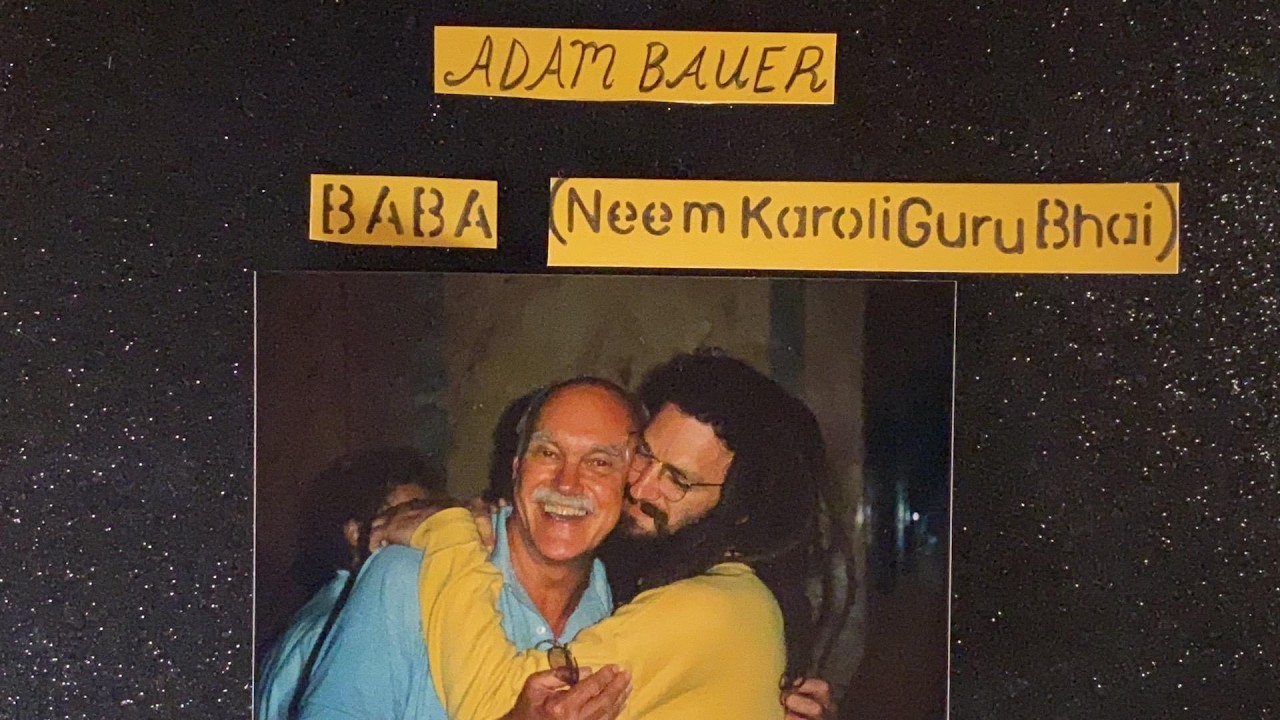
Neem Karoli Baba's assertion that "love is the only currency in the spiritual world" invites us to reconsider the very foundations of our spiritual lives. In a world often driven by material gain and transactional relationships, this quote serves as a profound reminder that the essence of our spiritual journey is rooted in love. It challenges us to reflect on what we truly value and how we engage with the divine and each other. The stakes are high; understanding this principle can transform our interactions and deepen our connection to the sacred.
To grasp the weight of this statement, we must delve into the nature of love itself. Love, in this context, transcends mere emotion; it is an active force that shapes our spiritual reality. It is not just a feeling but a practice, a way of being that fosters connection and unity. By recognizing love as the currency of the spiritual realm, we are called to cultivate it within ourselves and share it with others, thereby enriching our spiritual lives and the lives of those around us.
The image / the metaphor
The metaphor of currency evokes a vivid image of exchange, value, and flow. In the spiritual world, love acts as the medium through which we connect with the divine and with one another. Just as currency facilitates trade and sustains economies, love sustains our spiritual existence. The verbs chosen in this quote—"is" and "currency"—suggest a state of being that is both immediate and ongoing. Love is not a one-time transaction; it is a continuous flow that nourishes our souls and fosters community.
Diving deeper into this metaphor, we can see that love as currency implies a certain responsibility. Just as one must manage financial resources wisely, we must also be mindful of how we cultivate and distribute love. This requires an awareness of our intentions and actions, as love can be both a gift and a tool for transformation. In this sense, love becomes a spiritual practice, a way to engage with the world that is both intentional and generous.
In the speaker's tradition
Neem Karoli Baba, a revered figure in the bhakti tradition, emphasizes the importance of devotion and love in our spiritual lives. Bhakti, which translates to "devotion," is characterized by a deep, personal relationship with the divine, often expressed through love and surrender. This tradition teaches that true spiritual fulfillment arises from loving devotion, or bhakti, which aligns perfectly with Baba's assertion that love is the only currency. Concepts such as dharma, the moral order of the universe, and kenosis, the act of self-emptying, further illuminate how love operates as a transformative force in our lives.
In the Bhagavad Gita, a foundational text in the bhakti tradition, we find echoes of this teaching. Krishna advises Arjuna to act selflessly and with love, emphasizing that actions performed with devotion are the highest form of worship. This aligns with Baba's message, suggesting that when we engage in acts of love, we are participating in a divine economy that transcends the material world. The Gita reminds us that love, when expressed through selfless action, becomes a pathway to spiritual liberation.
Living the teaching
Consider a modern scenario where this teaching can be applied: a workplace filled with competition and ambition. In such an environment, it is easy to become consumed by the desire for recognition and success. However, if we approach our work with the understanding that love is the true currency, we can shift our focus from self-interest to collaboration and support. By fostering a culture of love and kindness, we not only enhance our own spiritual lives but also create a more harmonious workplace, where everyone thrives.
Another application of this teaching can be found in personal relationships. Imagine a moment of conflict with a loved one, where misunderstandings and hurt feelings arise. In such times, remembering that love is the currency can guide us toward reconciliation. Instead of holding onto grievances, we can choose to respond with compassion and understanding, recognizing that our connection is far more valuable than being right. This practice of prioritizing love over ego transforms our relationships and deepens our bonds, allowing us to experience the richness of spiritual connection.
A reflection
As we contemplate Neem Karoli Baba's profound statement, we are invited to reflect on our own lives: How do we value love in our daily interactions? Are we treating love as a scarce resource, or are we willing to share it freely? This contemplation can lead us to a deeper understanding of our spiritual journey and the ways in which we can embody love as our primary currency. In a world that often prioritizes material wealth, let us ask ourselves how we can cultivate a richer spiritual economy grounded in love.