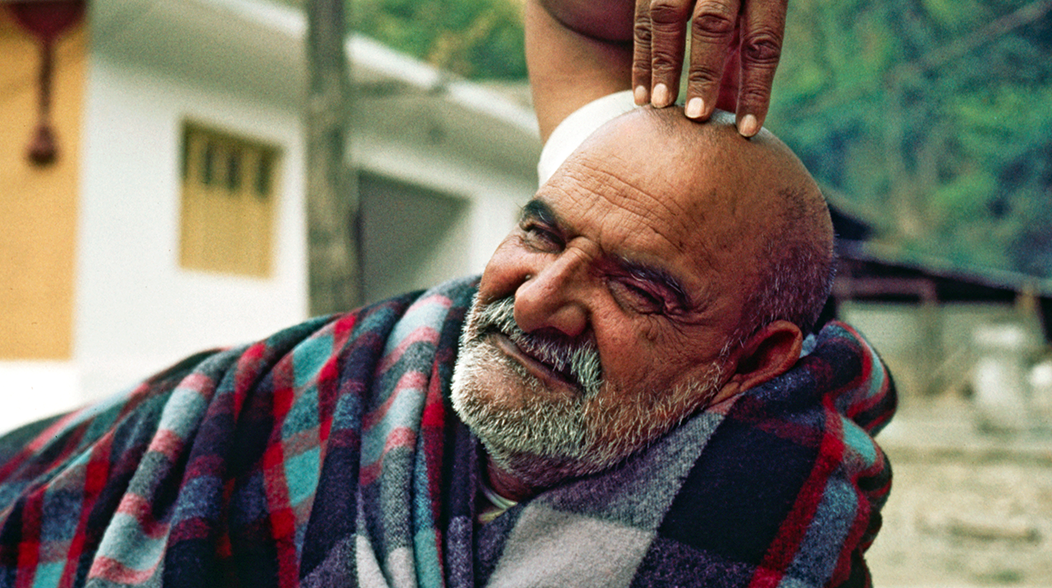
Neem Karoli Baba's assertion that "Love is the medicine for the world" invites us to reconsider the very essence of our existence and the relationships we cultivate. In a time marked by division, strife, and disconnection, this statement serves as a profound reminder of love's transformative power. It suggests that love is not merely an emotion but a vital force capable of healing the wounds that afflict humanity. The stakes are high; embracing this medicine could lead to a more harmonious world, one where compassion and understanding prevail over conflict and misunderstanding.
To delve deeper into this notion, we must recognize that love, in this context, transcends romantic or familial affection. It embodies a universal energy that connects all beings, a force that can mend the fractures within our communities and within ourselves. Neem Karoli Baba's wisdom encourages us to see love as an active, dynamic practice—one that requires intention and commitment. By acknowledging love as a remedy, we open ourselves to the possibility of healing not just individual hearts, but the collective spirit of our world.
The image / the metaphor
The imagery of love as medicine evokes a sense of nurturing and restoration. Just as medicine is administered to heal physical ailments, love has the capacity to address the emotional and spiritual maladies that plague our society. The verbs chosen in this quote—"is" and "medicine"—suggest a state of being and a tool for healing, respectively. This duality emphasizes that love is both an intrinsic quality of our existence and a practical solution to the suffering we encounter.
Diving deeper into this metaphor, we can see that love acts as a balm for the wounds inflicted by fear, hatred, and ignorance. It is a salve that soothes the soul, fostering connection and understanding among individuals. The act of loving becomes a healing practice, one that requires vulnerability and openness. In this way, love is not just a passive feeling but an active engagement with the world, a conscious choice to embrace compassion and empathy in our interactions.
In the speaker's tradition
Neem Karoli Baba's teachings are rooted in the bhakti tradition, which emphasizes devotion and love for the divine as a path to spiritual realization. In this context, love is not merely an emotion but a profound expression of one's connection to the divine and to all beings. Concepts such as dharma, or righteous duty, and kenosis, the self-emptying of one's ego, resonate deeply within this framework. The practice of bhakti encourages individuals to cultivate love as a means of transcending the self, fostering unity with others and the divine.
A relevant text that echoes this sentiment is the Bhagavad Gita, where love and devotion are portrayed as essential elements of spiritual practice. In Chapter 12, Krishna speaks of the importance of loving devotion, stating that those who surrender to him with love will find peace and fulfillment. This aligns with Neem Karoli Baba's assertion that love serves as the ultimate remedy, guiding us toward a state of harmony and spiritual awakening.
Living the teaching
Consider a modern scenario where this teaching can be applied: a community grappling with division over differing political beliefs. In such a context, the practice of love as medicine invites individuals to engage with one another not through the lens of conflict but through understanding and compassion. By choosing to listen and empathize with differing perspectives, community members can begin to heal the rifts that separate them, fostering a sense of belonging and unity.
Another application of this teaching might arise in personal relationships, particularly during moments of conflict. When faced with a disagreement, one might pause to reflect on how love can serve as a guiding principle. Instead of reacting with anger or defensiveness, embracing love as a medicine allows for a more compassionate response, creating space for dialogue and reconciliation. This practice not only strengthens relationships but also cultivates a deeper sense of connection and understanding.
A reflection
As we contemplate Neem Karoli Baba's assertion that "Love is the medicine for the world," we are invited to reflect on our own lives and the ways in which we embody this teaching. How can we actively practice love as a healing force in our interactions with others? In what areas of our lives do we need to apply this medicine more generously, both for ourselves and for those around us? These questions encourage us to engage with love not just as a concept but as a transformative practice that can reshape our world.