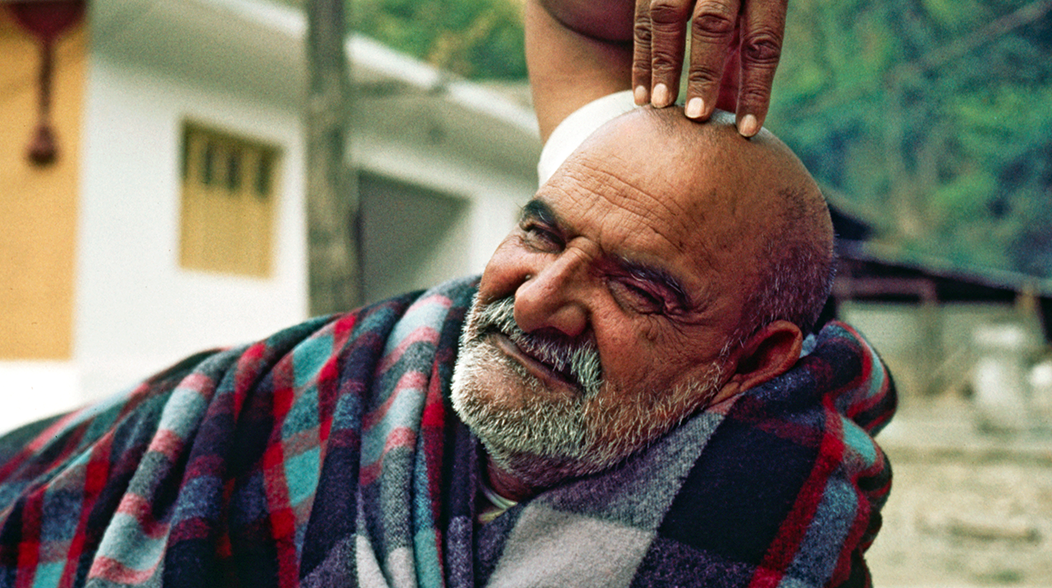
Neem Karoli Baba's profound exhortation to "Love everyone. Serve everyone. Remember God" encapsulates the essence of a life rooted in compassion and devotion. This simple yet powerful directive invites us to transcend the boundaries of self-interest and embrace a universal love that binds all beings. In a world often marked by division and strife, these words serve as a guiding light, reminding us of the transformative power of love and service in our spiritual journey.
At its core, this quote challenges us to reflect on the interconnectedness of our actions and intentions. Love, service, and remembrance of the divine are not merely separate acts; they are interwoven threads that create the fabric of a meaningful life. To love everyone is to recognize the divine spark within each individual, to serve everyone is to act upon that recognition, and to remember God is to ground ourselves in the ultimate source of love and compassion. This triad of actions invites us to cultivate a holistic approach to spirituality that is both personal and communal.
The image / the metaphor
The imagery within Neem Karoli Baba's words evokes a sense of warmth and inclusivity. "Love everyone" suggests an expansive heart that embraces all beings without discrimination, while "Serve everyone" implies an active engagement with the world, a call to action that goes beyond mere sentiment. The phrase "Remember God" serves as a grounding force, reminding us that our capacity to love and serve is rooted in a higher purpose. Each verb—love, serve, remember—carries a weight of intention that invites us to embody these principles in our daily lives.
Diving deeper into the metaphor, we find that love is not just an emotion but a state of being that transcends personal attachments. It is a call to see beyond the surface of individuality and recognize the shared essence of humanity. Service, then, becomes an expression of that love, a tangible manifestation of our commitment to the well-being of others. Remembering God acts as the compass that directs our love and service, ensuring that they are infused with divine intention. Together, these elements create a harmonious cycle of giving and receiving, where love begets service, and service deepens our remembrance of the divine.
In the speaker's tradition
Neem Karoli Baba's teachings are deeply rooted in the tradition of bhakti, which emphasizes devotion and love for the divine as the path to spiritual realization. In this context, the concepts of dharma and kenosis resonate profoundly. Dharma, or righteous duty, calls us to act in ways that uphold the welfare of others, while kenosis, the self-emptying love exemplified by Christ, invites us to relinquish our ego for the sake of others. This selfless love is echoed in the bhakti tradition, where the devotee's heart becomes a vessel for divine love, leading to a life of service.
In the Bhagavad Gita, a foundational text in the bhakti tradition, Lord Krishna speaks of selfless action as a means to attain liberation. He encourages Arjuna to act without attachment to the fruits of his labor, embodying the essence of Neem Karoli Baba's teaching. This alignment of love, service, and remembrance is not merely a moral guideline but a spiritual practice that leads to the realization of oneness with the divine. By integrating these principles into our lives, we participate in a sacred dance of devotion that transcends the individual self.
Living the teaching
Consider a modern scenario where this teaching can be applied: a community facing the challenges of poverty and inequality. In such a context, the call to "Love everyone" becomes a rallying cry for compassion, urging individuals to see beyond their own circumstances and recognize the humanity in those who are suffering. "Serve everyone" translates into tangible actions, such as volunteering at local shelters or advocating for social justice. Here, the remembrance of God acts as a source of strength and inspiration, reminding those involved that their efforts are part of a greater divine purpose.
In personal relationships, the application of this teaching can be equally transformative. Imagine a moment of conflict with a loved one, where anger and misunderstanding threaten to create a rift. By choosing to "Love everyone," one can approach the situation with empathy, seeking to understand the other’s perspective. "Serve everyone" in this context might mean offering forgiveness or support, while "Remember God" serves as a reminder to ground oneself in a higher love that transcends personal grievances. This practice not only heals relationships but also fosters a deeper connection to the divine within each interaction.
A reflection
As we contemplate Neem Karoli Baba's profound guidance, we are invited to reflect on our own lives: How can we embody the principles of love, service, and remembrance in our daily interactions? This question challenges us to examine our motivations and actions, encouraging us to cultivate a heart that is open and a spirit that is willing to serve. In doing so, we may discover that the path to spiritual fulfillment lies not in isolation but in our connections with others, rooted in love and guided by the divine.