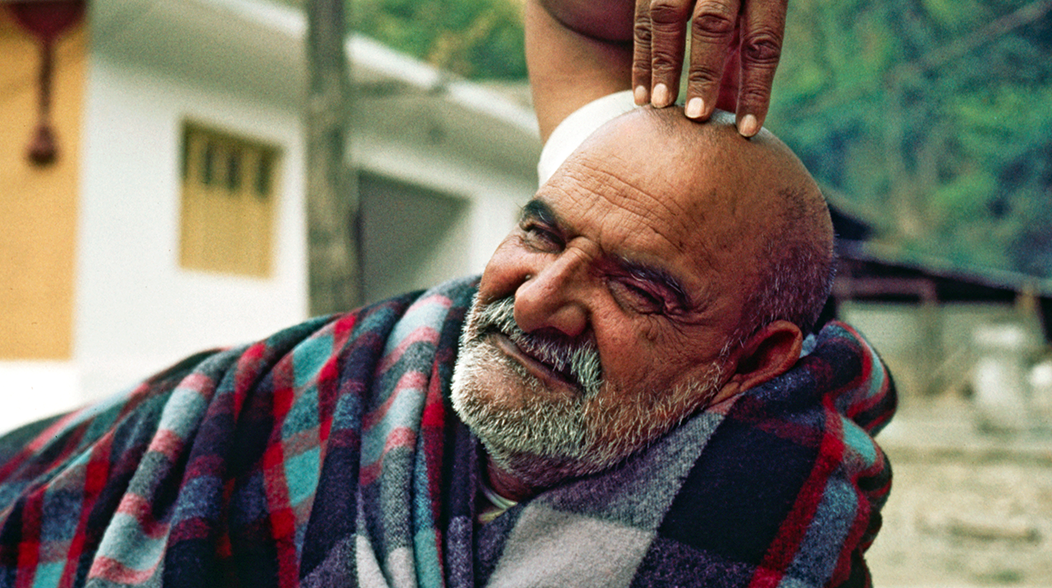
Neem Karoli Baba's profound exhortation to "Love everyone. Even the difficult ones. Especially the difficult ones" invites us into a transformative practice of love that transcends mere sentimentality. This call to embrace all individuals, particularly those who challenge us, serves as a reminder of the depth and complexity of human relationships. In a world often marked by division and conflict, this teaching becomes a beacon, urging us to cultivate compassion and understanding even in the face of adversity.
At its core, this quote challenges us to reconsider our definitions of love and acceptance. It suggests that true love is not merely an emotion reserved for those who are easy to love, but rather a conscious choice that requires effort and intention. By focusing on the "difficult ones," we are invited to engage in a deeper exploration of our own hearts, revealing the layers of resistance and fear that often accompany our interactions with those who provoke discomfort. This practice of love becomes a spiritual discipline, a way to expand our capacity for empathy and connection.
The image / the metaphor
The imagery within Neem Karoli Baba's quote is striking in its simplicity yet profound in its implications. The act of loving "everyone" encompasses a vast spectrum of humanity, suggesting an unconditional embrace that knows no bounds. The phrase "even the difficult ones" introduces a tension, as it acknowledges the inherent challenges in loving those who may provoke irritation or pain. The use of "especially" serves as a clarion call, emphasizing that these very individuals are the ones who most need our love and understanding.
Diving deeper into the metaphor, we can see that the "difficult ones" represent not just individuals but also the parts of ourselves that we find hard to accept. This teaching invites us to confront our own discomforts and biases, illuminating the path toward self-awareness and growth. By extending love to those who challenge us, we engage in a radical act of vulnerability, allowing ourselves to be transformed in the process. This is not a passive acceptance but an active engagement with the complexities of human relationships.
In the speaker's tradition
Neem Karoli Baba's teachings are deeply rooted in the tradition of bhakti, which emphasizes devotion and love as pathways to spiritual realization. In bhakti, the practice of loving all beings is seen as a reflection of one's relationship with the divine. Concepts such as dharma, or righteous duty, and kenosis, the self-emptying love exemplified by divine figures, resonate with the essence of this quote. The practice of loving the difficult ones becomes a form of spiritual discipline, aligning with the bhakti path that encourages surrender and devotion to a higher love.
In the Bhagavad Gita, a foundational text of the bhakti tradition, we find echoes of this teaching in the call to see the divine in all beings. The Gita encourages us to act without attachment to the fruits of our actions, which aligns with the idea of loving without expectation. This perspective invites us to cultivate a sense of equanimity, recognizing that every interaction, especially with those who challenge us, is an opportunity for spiritual growth and connection to the divine.
Living the teaching
Consider a modern scenario where this teaching might resonate: a colleague at work who consistently undermines your efforts or a family member whose behavior triggers frustration. In such situations, the challenge is to respond with love rather than resentment. By consciously choosing to approach these individuals with compassion, we can begin to shift the dynamics of our interactions. This does not mean condoning harmful behavior, but rather recognizing the humanity in the other and responding from a place of understanding.
Another application of this teaching can be found in intimate relationships, where misunderstandings and conflicts often arise. When faced with a partner's difficult behavior, the practice of loving them "especially" during these moments can lead to deeper intimacy and healing. By embracing the discomfort and seeking to understand the underlying emotions, we create space for vulnerability and connection. This practice not only strengthens our relationships but also fosters a greater sense of compassion within ourselves.
A reflection
As we contemplate Neem Karoli Baba's call to love the difficult ones, we are invited to reflect on our own lives: Who are the individuals that challenge us the most? What might it look like to extend love and compassion to them, even when it feels uncomfortable? This inquiry can serve as a powerful catalyst for personal growth, urging us to explore the boundaries of our hearts and the transformative power of love.