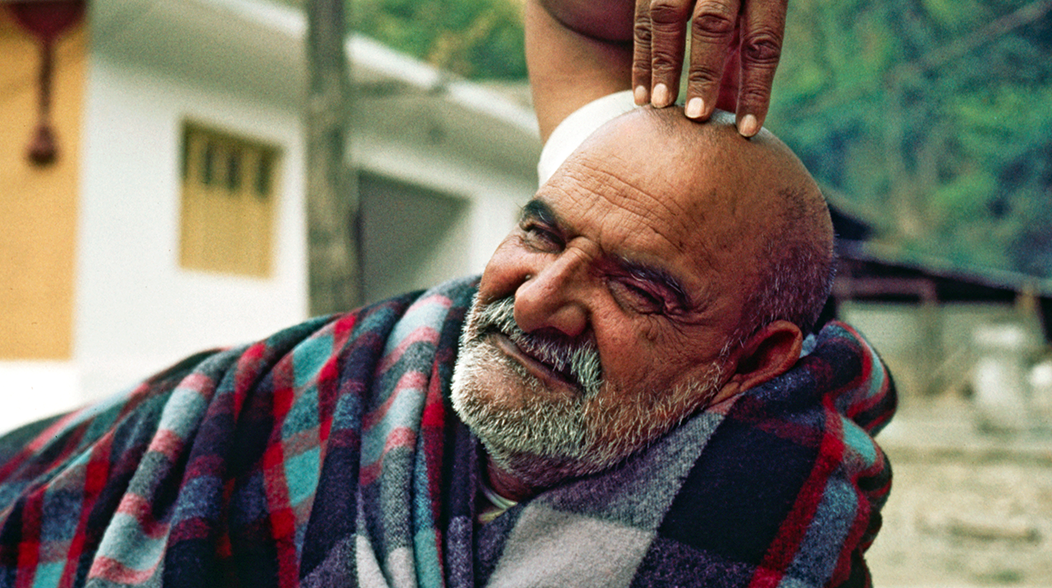
Neem Karoli Baba's assertion that "even the act of breathing is grace" invites us to reconsider the mundane aspects of our existence. In a world often preoccupied with the extraordinary, this quote reminds us that grace permeates our everyday lives, manifesting in the simple act of inhaling and exhaling. Recognizing this grace can transform our perception of reality, urging us to find beauty and divinity in the ordinary moments that often go unnoticed.
As we delve deeper into this profound statement, we uncover layers of meaning that challenge our understanding of grace itself. Breathing, an involuntary yet essential act, becomes a metaphor for the divine presence that sustains us. This perspective encourages us to cultivate a sense of gratitude and awareness, prompting us to acknowledge the sacredness inherent in our existence. By embracing the grace of each breath, we open ourselves to a deeper connection with life and the universe.
The image / the metaphor
The imagery of breathing as grace evokes a sense of fluidity and continuity. Breathing is a rhythmic dance, a cycle of inhalation and exhalation that sustains life. The choice of the word "grace" suggests an effortless quality, as if each breath is a gift bestowed upon us, unearned and freely given. This perspective invites us to feel the gentle flow of air entering and leaving our bodies, reminding us that life itself is a series of moments filled with grace, even when we are unaware of it.
Diving deeper into the metaphor, we can see how breathing symbolizes the interconnectedness of all beings. Just as we share the air around us, we also share the grace that sustains us. Each breath connects us to the present moment, grounding us in the here and now. This awareness can lead to a profound sense of peace, as we recognize that grace is not a distant or abstract concept but something that is intimately woven into the fabric of our daily lives.
In the speaker's tradition
Neem Karoli Baba, a revered figure in the bhakti tradition, emphasizes devotion and love as pathways to experiencing the divine. In this context, grace is not merely a passive state but an active engagement with the world around us. Concepts such as bhakti, or devotion, and dharma, the moral order of the universe, resonate deeply with the idea that grace is present in every breath we take. This understanding encourages us to live with intention and awareness, recognizing that our actions and thoughts can either align with or detract from the grace that surrounds us.
In the Bhagavad Gita, a foundational text in the bhakti tradition, we find echoes of this sentiment. The Gita teaches that surrendering to the divine will and embracing our dharma leads to liberation and grace. The notion of kenosis, or self-emptying, further complements this idea, suggesting that by letting go of our ego and desires, we can fully experience the grace that life offers. In this light, breathing becomes a practice of surrender, a reminder to release our attachments and embrace the present moment.
Living the teaching
Consider a modern scenario where the teaching of breathing as grace can be applied: a busy morning commute. As we navigate the chaos of traffic and crowded public transport, it is easy to become overwhelmed and frustrated. However, if we pause to take a deep breath, we can transform this moment into an opportunity for grace. By consciously inhaling and exhaling, we can cultivate a sense of calm and presence, reminding ourselves that even in the midst of chaos, grace is available to us through the simple act of breathing.
Another application of this teaching can be found in our relationships. During a difficult conversation with a loved one, emotions may run high, and misunderstandings can arise. By focusing on our breath, we can ground ourselves and approach the situation with a sense of grace. This practice allows us to listen more deeply and respond with compassion, fostering a connection that transcends the immediate conflict. In these moments, breathing becomes a bridge to understanding, reminding us that grace is not only a personal experience but also a shared journey with others.
A reflection
As we contemplate Neem Karoli Baba's words, we are invited to reflect on the grace that permeates our lives. How often do we take a moment to appreciate the simple act of breathing? In what ways can we cultivate a deeper awareness of grace in our daily routines? By engaging with these questions, we can begin to transform our perception of the ordinary, recognizing that each breath is a reminder of the divine presence that sustains us.