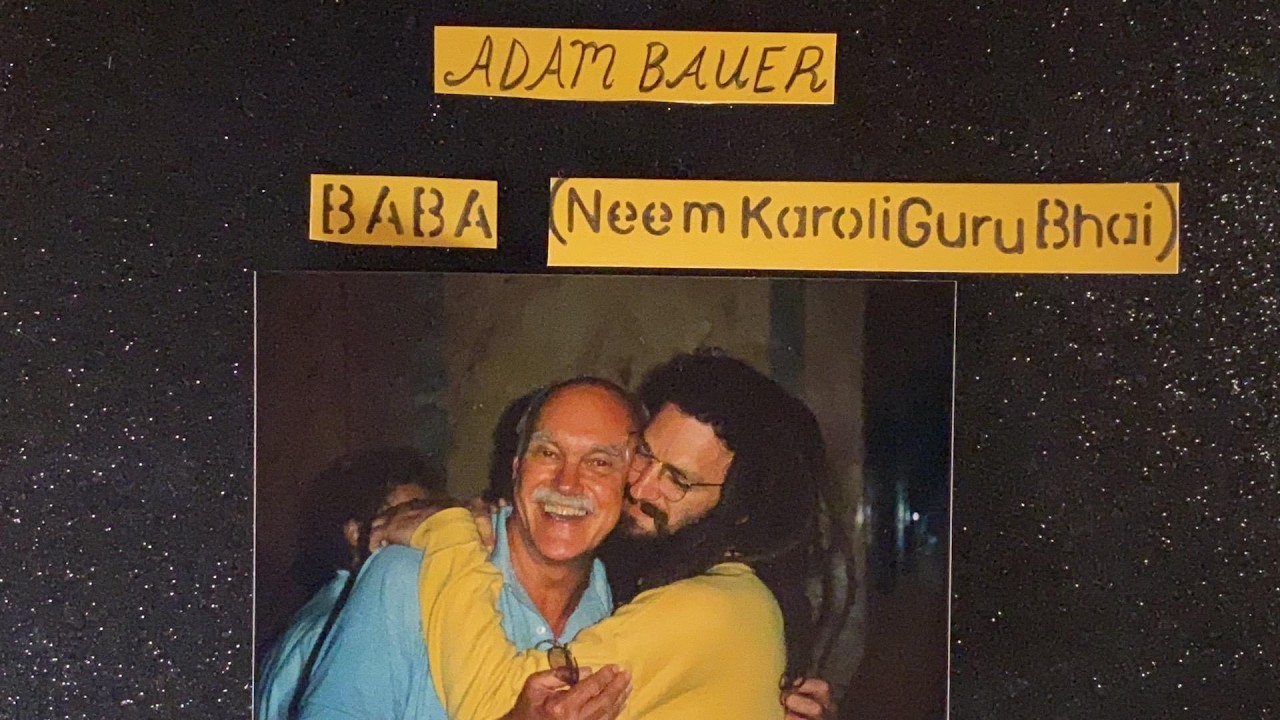
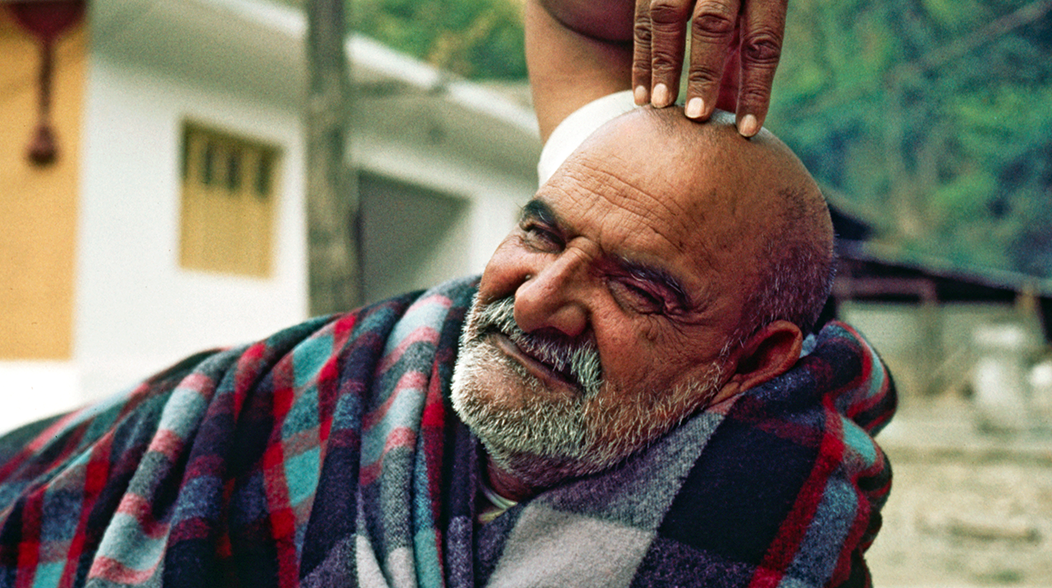
“Be patient. Everything is okay.” This simple yet profound statement by Neem Karoli Baba invites us to cultivate a deep sense of trust in the unfolding of our lives. In a world that often feels chaotic and uncertain, the call to patience resonates with a timeless wisdom that encourages us to surrender our anxieties and embrace the present moment. The stakes are high; our ability to navigate life's challenges with grace hinges on our willingness to trust that all is well, even when circumstances suggest otherwise.
In a culture that prizes immediacy and quick results, the notion of patience can feel counterintuitive. Yet, Neem Karoli Baba's words remind us that patience is not merely a passive waiting but an active engagement with the present. It is an invitation to cultivate inner stillness amidst external turbulence, allowing us to recognize that everything we experience is part of a larger tapestry. This understanding can transform our relationship with time, urging us to find peace in the now rather than perpetually seeking it in the future.
The image / the metaphor
The imagery of patience conjures a sense of stillness, akin to a calm lake reflecting the sky above. The verb "be" suggests a state of being rather than doing, emphasizing the importance of presence over action. When we are patient, we allow ourselves to exist fully in the moment, free from the burdens of worry and expectation. The phrase "everything is okay" serves as a soothing balm, a reminder that despite the storms we may face, there is an underlying order to life that we can trust.
In the speaker's tradition
Neem Karoli Baba's teachings are deeply rooted in the bhakti tradition, which emphasizes devotion and love for the divine. Central to bhakti is the concept of surrender, or *bhakti*, which encourages practitioners to relinquish their ego-driven desires in favor of a deeper connection with the divine. This surrender is not a sign of weakness but rather an acknowledgment of the interconnectedness of all beings and the divine presence that permeates existence. In this context, patience becomes a form of devotion, a way of trusting in the divine plan.
In the Bhagavad Gita, a foundational text of the bhakti tradition, Lord Krishna advises Arjuna to perform his duty without attachment to the results. This teaching echoes Neem Karoli Baba's message, as both emphasize the importance of patience and trust in the unfolding of life. The Gita reminds us that by focusing on our actions and surrendering the outcomes to a higher power, we can cultivate a sense of peace and fulfillment, regardless of external circumstances.
Living the teaching
Consider a modern scenario where this teaching resonates: a person waiting for a job offer after a series of interviews. The anxiety of uncertainty can be overwhelming, leading to sleepless nights and constant self-doubt. In this moment, the wisdom of Neem Karoli Baba encourages the individual to practice patience, to trust that the right opportunity will manifest in due time. By embracing this mindset, they can alleviate their stress and focus on personal growth during the waiting period, perhaps exploring new skills or nurturing relationships.
Another application of this teaching might arise in the context of a strained relationship. When conflicts arise, the urge to react impulsively can cloud our judgment and escalate tensions. Here, the call to be patient invites us to pause, to breathe, and to reflect before responding. By cultivating patience, we create space for understanding and compassion, allowing the relationship to heal and evolve. In both scenarios, patience becomes a transformative practice, fostering resilience and deeper connections.
A reflection
As we contemplate Neem Karoli Baba's words, we are invited to reflect on our own relationship with patience. In what areas of your life do you struggle to trust that everything is okay? Consider the moments when impatience arises—what do they reveal about your desires and fears? Allow this contemplation to guide you toward a deeper understanding of how patience can serve as a bridge to greater peace and acceptance in your life.