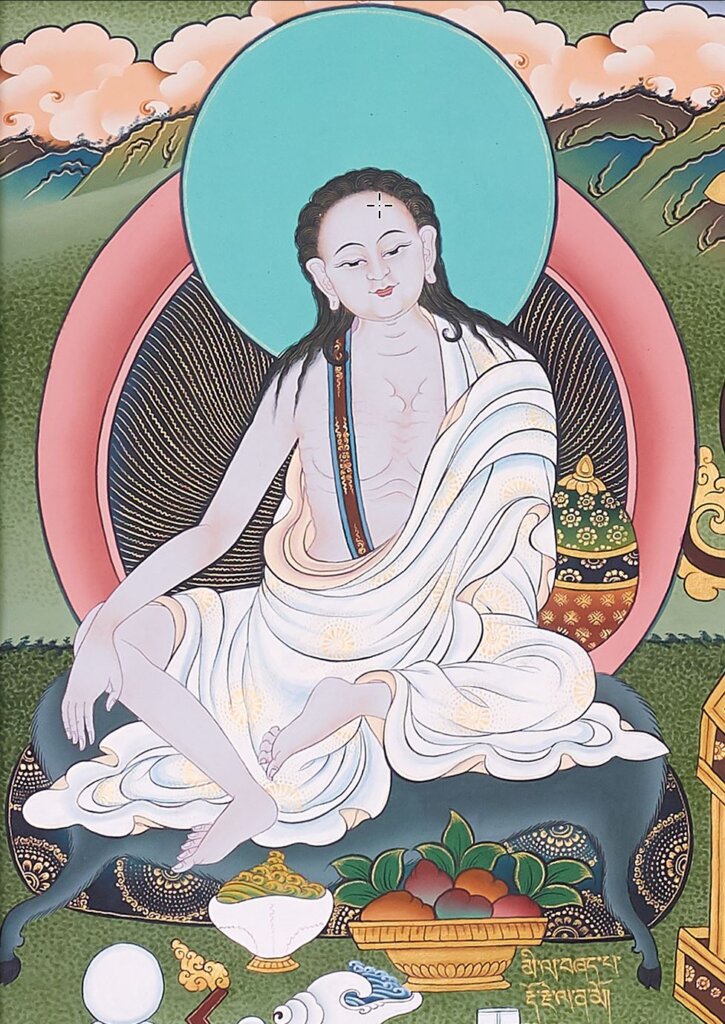
Milarepa's assertion, "With it, even the slowest finds the way," invites us to reflect on the profound nature of devotion and faith in our spiritual journeys. This quote suggests that regardless of our pace or perceived limitations, the essence of devotion can guide us toward enlightenment. In a world that often equates speed with success, Milarepa's wisdom reminds us that the journey itself holds intrinsic value, and that even the most unhurried among us can discover their path through sincere commitment.
As we delve deeper into this quote, we uncover layers of meaning that resonate with the human experience. The notion of "the slowest" evokes a sense of humility and vulnerability, acknowledging that each individual's journey is unique and may not conform to conventional timelines. Milarepa's words serve as a gentle reminder that the heart's devotion can illuminate the way, transforming our perceived limitations into opportunities for growth and understanding. In this light, we are encouraged to embrace our own pace, trusting that our sincere efforts will ultimately lead us to our destination.
The image / the metaphor
The imagery in Milarepa's quote evokes a sense of movement and direction, suggesting that devotion acts as a guiding light. The phrase "even the slowest" conjures an image of a traveler, perhaps weary and hesitant, yet steadfast in their commitment to the journey ahead. The verb "finds" implies an active engagement with the path, indicating that the process of seeking is as important as the destination itself. This interplay between devotion and discovery creates a rich tapestry of meaning, inviting us to consider how our intentions shape our experiences.
Diving deeper into the metaphor, we can see that "the way" represents not just a physical path, but a spiritual journey toward understanding and enlightenment. The slowest traveler, often overlooked or dismissed, embodies the essence of perseverance and faith. In this context, devotion becomes a transformative force, allowing individuals to navigate their unique challenges and obstacles. The quote encourages us to recognize that even those who may feel lost or stagnant can find their way through the power of unwavering commitment and love.
In the speaker's tradition
Milarepa, a revered figure in Tibetan Buddhism, embodies the principles of devotion and the transformative power of faith. His life story, marked by profound suffering and eventual enlightenment, illustrates the concept of dharma—the path of righteousness and truth. In this tradition, devotion is not merely an emotional response but a disciplined practice that cultivates wisdom and compassion. The idea of kenosis, or self-emptying, resonates here, as true devotion requires letting go of the ego and embracing a deeper connection with the divine.
In the context of Milarepa's teachings, we can draw parallels to the concept of bhakti, or devotional love, which emphasizes surrendering oneself to a higher power. This is beautifully captured in the "Songs of Milarepa," where he expresses his deep yearning for liberation and connection with the ultimate truth. The teachings of prajna, or wisdom, further illuminate this journey, suggesting that through devotion, even the slowest can cultivate insight and understanding, ultimately leading to enlightenment.
Living the teaching
Consider a modern scenario where this teaching resonates: a person embarking on a new career path. They may feel overwhelmed by the rapid pace of their industry, comparing themselves to colleagues who seem to excel effortlessly. In this context, Milarepa's wisdom serves as a reminder that their unique journey, marked by dedication and authenticity, is equally valid. By embracing their own pace and committing to their growth, they can navigate the challenges of their new role with confidence and clarity.
Another application of this teaching can be found in personal relationships. Imagine a couple facing difficulties in communication, where one partner feels they are progressing too slowly in understanding the other's needs. Milarepa's insight encourages both individuals to approach their relationship with patience and devotion. By fostering an environment of trust and commitment, they can find their way through misunderstandings, ultimately deepening their connection and enriching their shared journey.
A reflection
As we contemplate Milarepa's profound words, we are invited to consider our own journeys and the pace at which we move through life. What does it mean for us to embrace devotion in our daily practices, even when we feel we are moving slowly? In moments of doubt or frustration, how can we cultivate faith in our path, trusting that our sincere efforts will lead us to the understanding we seek? Reflecting on these questions can illuminate our unique journeys and inspire us to honor the process of becoming.
