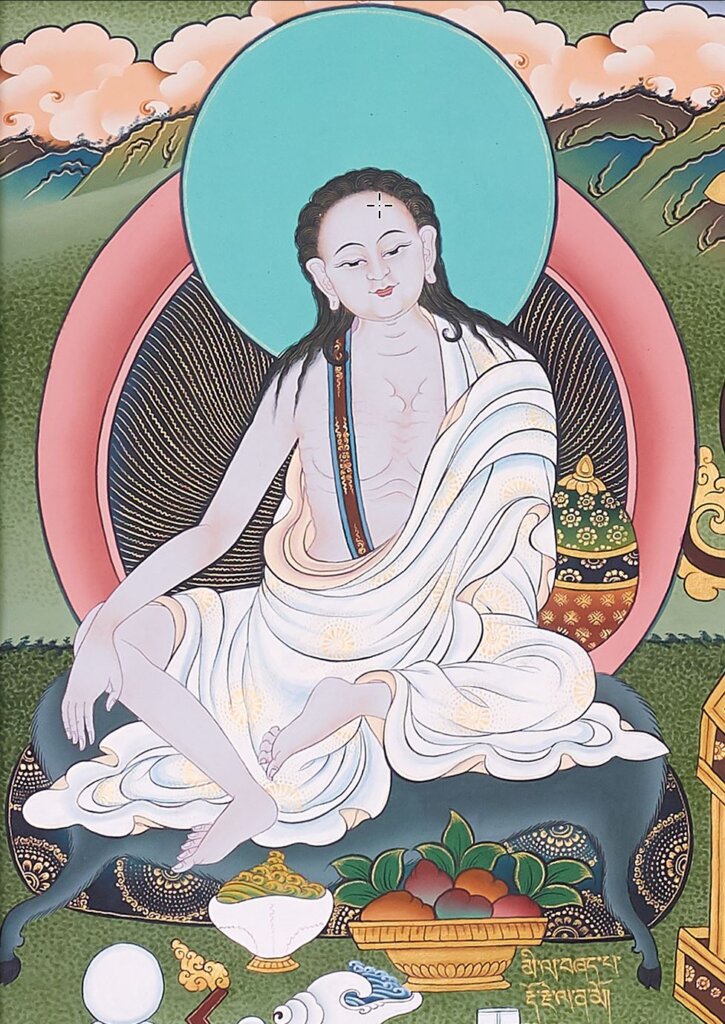
The Liberation Found in Letting Go
Milarepa's poignant assertion, "Clinging is the source of all suffering," invites us to explore the intricate relationship between attachment and our emotional states. In this simple yet profound statement, he encapsulates a fundamental truth of human experience: the more we grasp at life—its people, possessions, and even our own identities—the more we invite suffering into our lives. This teaching is not merely an observation; it is a call to awaken to the nature of our attachments and to recognize how they shape our reality.
Understanding this quote is essential for anyone seeking a deeper sense of peace and fulfillment. Clinging manifests in various forms, from our desire for material wealth to our longing for approval or love. By examining the roots of our attachments, we can begin to unravel the threads of suffering that bind us. Milarepa's wisdom serves as a guiding light, illuminating the path toward liberation through the practice of non-attachment and mindfulness.
The image / the metaphor
At first glance, the imagery of "clinging" evokes a visceral sense of grasping—fingers tightly wrapped around something precious, yet ultimately fleeting. The verb "cling" suggests a desperate hold, a fear of loss that drives us to clutch at life with an iron grip. This act of clinging creates a tension within us, a struggle that often leads to pain when the inevitable changes of life occur. The metaphor of clinging thus serves as a powerful reminder of the fragility of our attachments and the suffering they can engender.
Diving deeper into this metaphor, we can see that clinging is not merely a physical act but a psychological state that permeates our thoughts and emotions. It represents our innate desire to control and possess, to find security in the impermanent. This desire can lead to a cycle of craving and dissatisfaction, where the more we cling, the more we suffer. In recognizing this cycle, we can begin to understand that true freedom lies not in holding on, but in the gentle art of letting go.
In the speaker's tradition
Milarepa, a revered figure in Tibetan Buddhism, embodies the essence of the teachings surrounding suffering and attachment. His life story, marked by profound transformation and spiritual awakening, illustrates the core Buddhist concepts of dharma and sunyata—emptiness. In this context, clinging can be seen as a misunderstanding of the nature of reality, where we mistakenly believe that our attachments define us or bring us lasting happiness. The practice of recognizing sunyata invites us to see beyond our attachments, revealing the interconnectedness of all beings and the transient nature of existence.
In the "Songs of Milarepa," we find echoes of this teaching in the emphasis on the impermanence of life and the importance of cultivating a mind free from attachment. For instance, Milarepa often speaks of the need to transcend the dualities of gain and loss, pleasure and pain. This perspective aligns with the Buddhist notion of prajna, or wisdom, which encourages us to perceive the world as it truly is—fluid and ever-changing—rather than through the lens of our clinging desires.
Living the teaching
Consider a modern scenario where this teaching resonates: the experience of social media. Many individuals find themselves caught in a cycle of comparison, clinging to the validation that likes and comments provide. This attachment can lead to feelings of inadequacy and anxiety, as the pursuit of external approval becomes a source of suffering. By recognizing this pattern, one can begin to practice mindfulness, stepping back from the need for validation and instead focusing on self-acceptance and authenticity.
In relationships, the concept of clinging can manifest as possessiveness or fear of abandonment. When we cling to our loved ones, believing that our happiness depends on their presence or behavior, we create an environment of tension and anxiety. By embracing the teaching of non-attachment, we can cultivate healthier relationships grounded in trust and freedom. This shift allows us to appreciate our connections without the burden of expectation, fostering a deeper sense of love and compassion.
A reflection
As we contemplate Milarepa's profound insight, we are invited to ask ourselves: What are the attachments in my life that cause me suffering? This question encourages a deep exploration of our desires and fears, prompting us to identify the areas where we cling too tightly. By engaging with this inquiry, we can begin to cultivate a sense of awareness that leads to greater freedom and peace, ultimately allowing us to embrace the beauty of impermanence and the richness of life itself.
