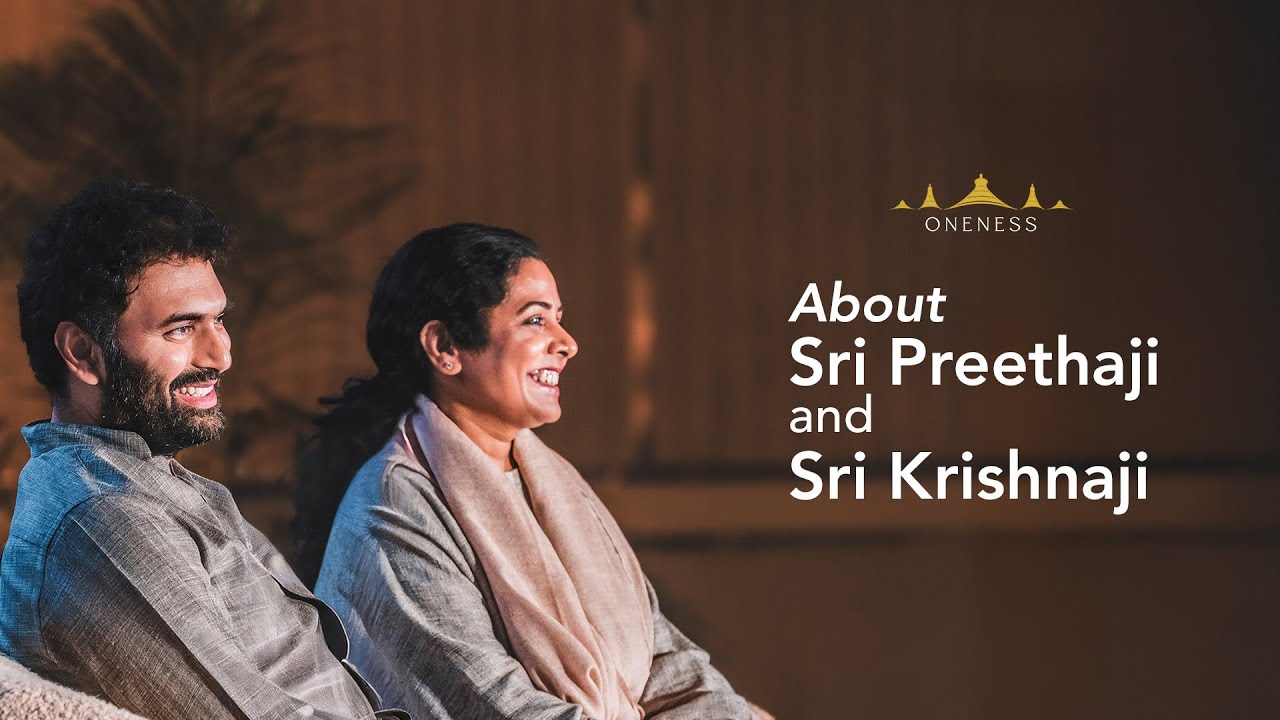
Krishnaji's assertion that "You can change your state in any moment. That is the freedom you carry within" invites us to explore the profound potential of our inner landscape. This statement emphasizes the inherent power we possess to shift our emotional and mental states, regardless of external circumstances. Understanding this freedom is crucial, as it not only empowers us to navigate life's challenges but also illuminates the path to deeper self-awareness and personal transformation.
In a world often characterized by chaos and uncertainty, the ability to change our internal state becomes a beacon of hope. It suggests that we are not merely victims of our circumstances but active participants in our emotional and spiritual journeys. This perspective encourages us to cultivate a sense of agency and responsibility for our experiences, ultimately leading to a more fulfilling and authentic life. By recognizing that this freedom lies within us, we can begin to dismantle the barriers that keep us from experiencing our true selves.
The image / the metaphor
The imagery in Krishnaji's quote evokes a sense of fluidity and dynamism. The phrase "change your state" suggests a transformative process, akin to shifting the gears of a vehicle or altering the course of a river. The verbs chosen—"change" and "carry"—imply an active engagement with our inner world, highlighting that this freedom is not a passive state but a deliberate choice we can make at any moment. This felt sense of agency is empowering, reminding us that we are not bound by our current emotional or mental states.
Diving deeper into the metaphor, we can see that the "state" refers not only to our emotions but also to our thoughts, beliefs, and perceptions. Just as a painter can alter a canvas with a stroke of the brush, we have the capacity to redefine our inner landscape. This metaphor of artistry invites us to view our lives as a creative expression, where each moment presents an opportunity to choose how we respond to our experiences. In this light, the act of changing our state becomes an art form, one that requires practice, intention, and a willingness to explore the depths of our being.
In the speaker's tradition
Krishnaji's teachings are deeply rooted in the oneness movement, which emphasizes the interconnectedness of all beings and the importance of self-realization. Concepts such as dharma, or one's rightful path, and prajna, the wisdom that arises from direct experience, resonate with the idea of changing one's state. In this tradition, the understanding of freedom is not merely a philosophical concept but a lived reality that emerges from recognizing our inherent unity with all existence. This perspective encourages us to transcend the limitations of the ego and embrace a more expansive view of ourselves and our place in the universe.
In his work, Krishnaji often draws parallels between the individual and the cosmos, suggesting that the freedom to change our state is reflective of a larger cosmic truth. This notion can be found in texts that explore the idea of sunyata, or emptiness, which teaches that our identities are not fixed but rather fluid and interconnected. By embracing this emptiness, we can cultivate a deeper understanding of our true nature and the freedom that comes with it. Such insights invite us to engage in a continuous process of self-discovery and transformation.
Living the teaching
Consider a modern scenario where this teaching can be applied: imagine facing a challenging work environment filled with stress and conflict. In such moments, the ability to change your state becomes a vital tool. Instead of succumbing to frustration or anxiety, you can consciously choose to shift your perspective, perhaps by practicing mindfulness or engaging in deep breathing. This shift not only alters your emotional experience but can also influence the dynamics of your interactions with colleagues, fostering a more harmonious atmosphere.
Another application of this teaching can be found in personal relationships, particularly during difficult conversations. When tensions arise, the instinct may be to react defensively or withdraw. However, by recognizing your ability to change your state, you can choose to approach the situation with compassion and openness. This conscious choice can transform the interaction, allowing for deeper understanding and connection. In daily practice, cultivating this awareness can lead to more meaningful relationships and a greater sense of peace within yourself.
A reflection
As we contemplate Krishnaji's profound insight, we are invited to reflect on our own lives: In what moments do I feel trapped by my current state, and how might I exercise the freedom to change it? This question encourages us to explore the areas where we may feel stuck or overwhelmed, prompting us to consider the choices we have in those moments. By engaging with this inquiry, we can begin to uncover the transformative power that lies within us, guiding us toward a more liberated and authentic existence.