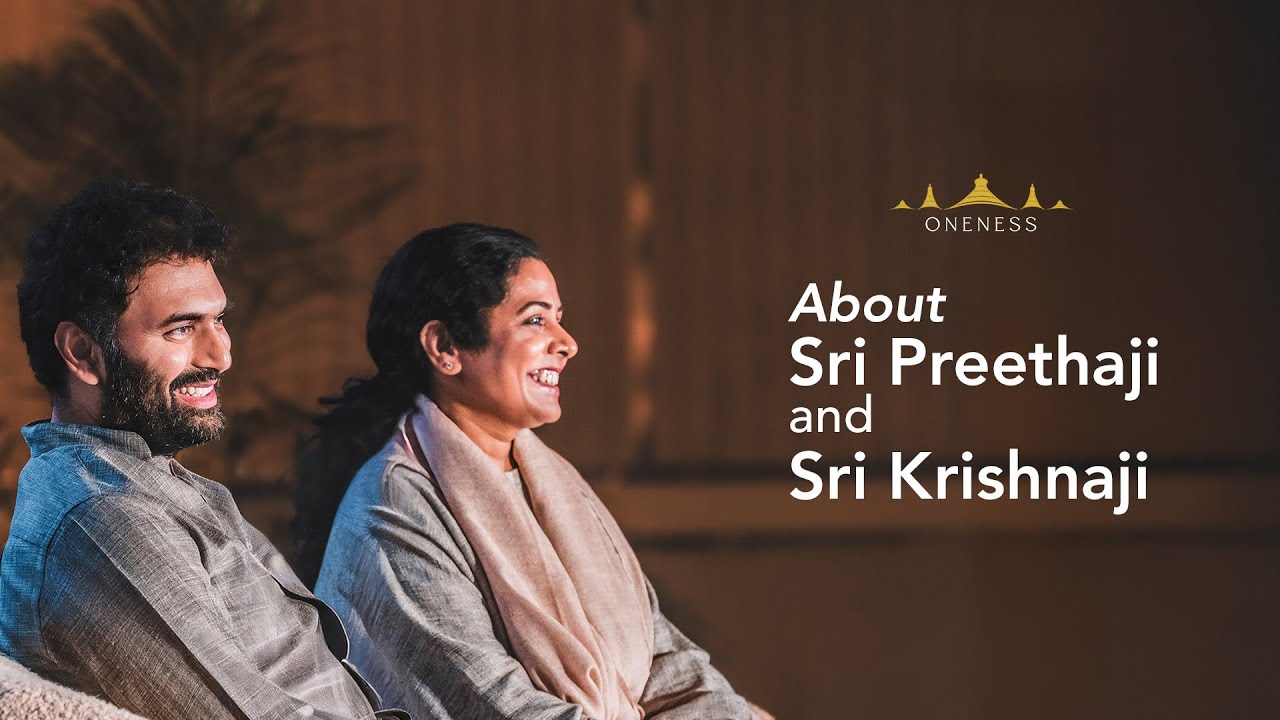
In the profound words of Krishnaji, "More important than what you do is who you are while you are doing it." This statement invites us to reflect on the intrinsic relationship between our actions and the essence of our being. It suggests that the quality of our presence, our state of mind, and our emotional landscape while engaged in any task holds greater significance than the task itself. In a world often obsessed with outcomes and achievements, this teaching serves as a gentle reminder to prioritize our inner state over mere external accomplishments.
As we delve deeper into this quote, we uncover layers of meaning that challenge conventional notions of success and productivity. The emphasis on "who you are" points to the importance of authenticity, mindfulness, and intentionality in our actions. It compels us to consider how our inner life—our thoughts, feelings, and intentions—shapes not only our experiences but also the impact we have on others. This perspective invites a transformative shift in how we approach our daily lives, urging us to cultivate a sense of presence that honors our true selves.
The image / the metaphor
At its core, the quote evokes a vivid image of the interplay between being and doing. The verbs "are" and "doing" create a dynamic tension, suggesting that our identity is not static but rather fluid and evolving. The phrase "who you are" implies a depth of character that transcends superficial labels, while "doing" signifies the actions we take in the world. This juxtaposition invites us to explore the felt sense of our existence—how we embody our values and beliefs in every moment of action.
Delving deeper into the metaphor, we can envision a dancer performing on stage. The audience may be captivated by the technical skill displayed, yet it is the dancer's emotional expression and authenticity that truly resonate. In this way, Krishnaji's quote encourages us to consider how our inner state colors our actions, much like the dancer's spirit infuses their performance with meaning. It is a call to embody our essence fully, allowing our actions to flow from a place of genuine being rather than mere obligation or expectation.
In the speaker's tradition
Krishnaji's teachings are deeply rooted in the oneness movement, which emphasizes the interconnectedness of all beings and the importance of self-awareness. Concepts such as dharma, or one's true path, and kenosis, the act of self-emptying, resonate with the essence of this quote. To embody who we are while engaging in action is to align with our dharma, allowing our true nature to guide our choices and interactions. This alignment fosters a sense of unity with others, as our authentic presence contributes to the collective consciousness.
In the context of spiritual texts, we can draw parallels to the Buddhist concept of sunyata, or emptiness, which invites us to recognize the transient nature of our identities and actions. Just as sunyata encourages a letting go of attachment to self, Krishnaji's quote invites us to release the need for validation through our actions. Instead, we are called to cultivate a state of being that is grounded in love, compassion, and awareness, allowing our actions to emerge naturally from this foundation.
Living the teaching
Consider a modern scenario where this teaching can be applied: a workplace meeting. Often, the focus is on the agenda, the deliverables, and the outcomes. However, if we shift our attention to who we are in that moment—our openness, our willingness to listen, and our authenticity—the dynamics of the meeting transform. By prioritizing our presence over the agenda, we foster an environment of collaboration and trust, ultimately leading to more meaningful outcomes.
In the realm of personal relationships, this teaching can also illuminate our interactions. Imagine a conversation with a loved one during a moment of conflict. If we approach the dialogue with a focus on who we are—our vulnerability, our empathy, and our desire for connection—rather than merely seeking to resolve the disagreement, we create space for deeper understanding and healing. This practice of being present allows us to navigate challenges with grace, reinforcing the idea that our essence profoundly influences our relationships.
A reflection
As we contemplate the essence of Krishnaji's quote, we are invited to reflect on our own lives: How often do we prioritize our inner state over our actions? In what ways can we cultivate a deeper sense of presence in our daily activities? By engaging with these questions, we can begin to align our doing with our being, fostering a more authentic and fulfilling existence.