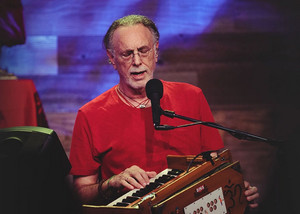
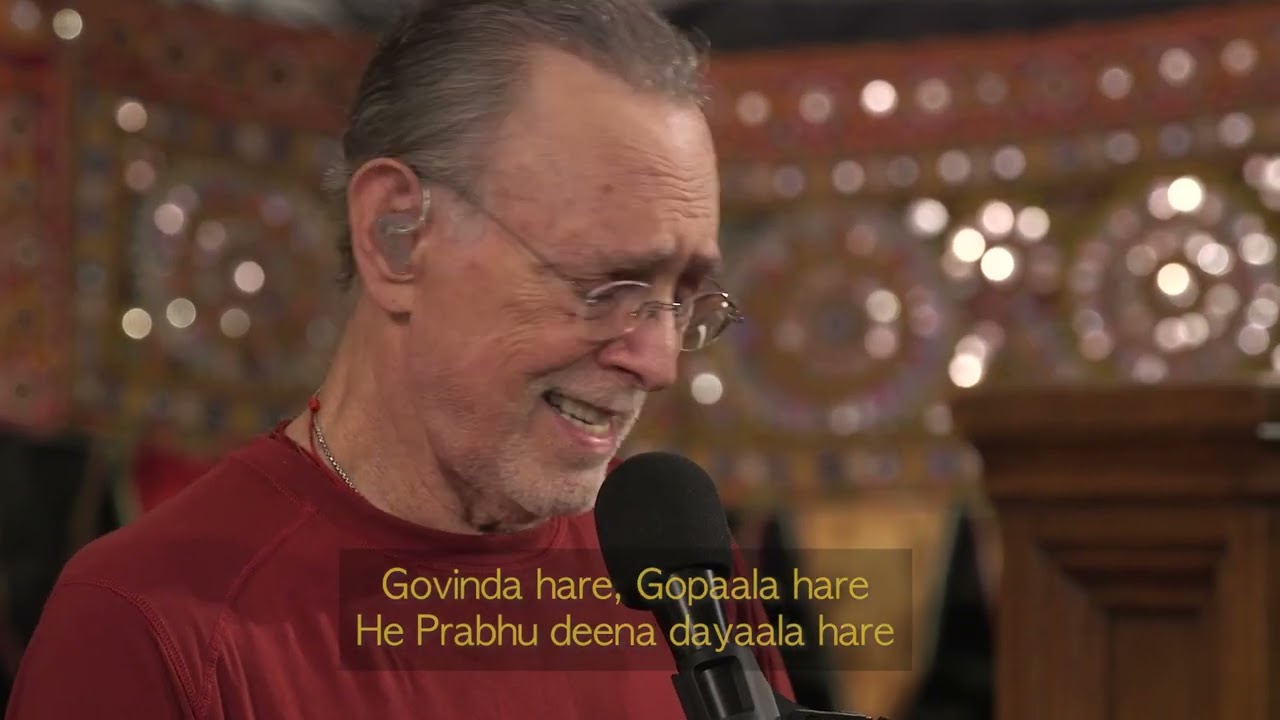
In the words of Krishna Das, "You don't have to be a Hindu to chant the Name." This statement invites us into a profound exploration of spirituality that transcends cultural and religious boundaries. It emphasizes the accessibility of spiritual practices, suggesting that the act of chanting—often associated with specific traditions—can be embraced by anyone, regardless of their background. This openness is crucial in a world where divisions often overshadow our shared humanity.
By asserting that one need not identify with a particular faith to engage in the practice of chanting, Krishna Das highlights the universal nature of spiritual experience. The Name, in this context, symbolizes not just a specific deity or tradition, but the essence of divine connection that exists within all of us. This perspective encourages a sense of inclusivity and belonging, inviting individuals from diverse paths to partake in a shared journey toward inner peace and understanding.
The image / the metaphor
The imagery in Krishna Das's quote evokes a sense of liberation. The phrase "chant the Name" conjures visions of rhythmic repetition, a melodic invocation that resonates deeply within the soul. The verbs chosen—"chant" and "name"—suggest an active engagement with the divine, a calling forth of something sacred that exists beyond the confines of language and dogma. This act of chanting becomes a bridge, connecting the individual to a greater whole, a universal consciousness that transcends individual identity.
Diving deeper into the metaphor, we can see that the "Name" represents more than just a title or label; it embodies the essence of divine presence. In many spiritual traditions, names hold power, serving as conduits for energy and intention. By inviting all to chant the Name, Krishna Das encourages us to recognize that the divine can be approached through various expressions, each resonating with our unique experiences and understandings. This metaphor of the Name becomes a call to unity, reminding us that the divine is not confined to any one tradition but is a universal truth waiting to be embraced.
In the speaker's tradition
Krishna Das's teachings are deeply rooted in the bhakti tradition, which emphasizes devotion and love for the divine. In bhakti, the act of chanting is not merely a ritual but a profound expression of surrender and connection. Concepts such as dharma, or one's rightful path, and bhakti itself, the loving devotion to God, are central to this practice. The idea of kenosis, or self-emptying, also resonates here, as chanting invites practitioners to let go of their ego and immerse themselves in the divine presence, fostering a sense of unity with all beings.
In the Bhagavad Gita, a foundational text in Hindu philosophy, the importance of devotion is articulated through the concept of surrendering to the divine will. Krishna, as the divine guide, encourages Arjuna to act without attachment to the fruits of his actions, embodying the essence of bhakti. This teaching aligns beautifully with Krishna Das's assertion that chanting the Name is accessible to all, as it invites individuals to engage in a practice that transcends personal gain and taps into a collective spiritual journey.
Living the teaching
Consider a modern scenario where this teaching can be applied: a busy professional feeling overwhelmed by the demands of life. Amidst the chaos, they discover the practice of chanting as a means to center themselves. They may not identify as Hindu, yet the simple act of repeating a sacred phrase brings them solace and clarity. This practice becomes a refuge, a moment of connection to something greater than themselves, illustrating how the Name can serve as a lifeline in the midst of daily struggles.
In a different context, imagine a relationship facing challenges. One partner may feel unheard or disconnected, leading to tension and misunderstanding. By incorporating the practice of chanting together, they create a shared space of vulnerability and openness. This act of devotion not only fosters deeper communication but also invites a sense of unity, reminding both partners of their shared humanity and the divine presence that binds them. Here, the Name becomes a tool for healing, illustrating the transformative power of this simple yet profound practice.
A reflection
As we contemplate Krishna Das's words, we are invited to reflect on our own relationship with the divine and the practices we engage in. How might we open ourselves to the universal call of the Name in our lives? In what ways can we embrace the inclusivity of spiritual practices, allowing them to transcend the boundaries of tradition and culture? This contemplation invites us to explore the richness of our spiritual journeys and the connections we can forge with others along the way.