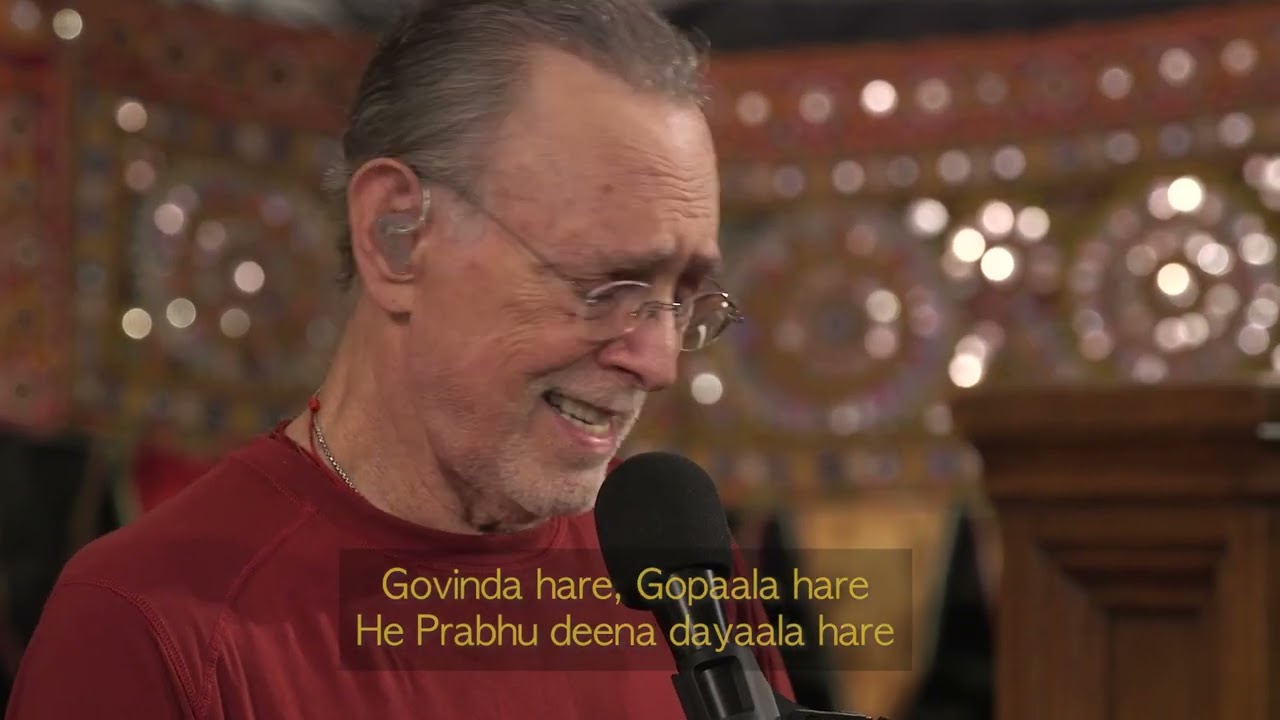
In the words of Krishna Das, "You are already loved. Don't earn it. Just receive it." This profound statement invites us to recognize the inherent love that exists within and around us, urging us to stop striving for validation and instead open ourselves to the love that is already present. In a world that often equates worth with achievement, this teaching serves as a gentle reminder that love is not a commodity to be earned but a state of being to be embraced. The stakes are high; understanding this can transform our relationships, our self-perception, and ultimately, our spiritual journey.
To receive love without the burden of earning it is a radical act of surrender. It challenges the deeply ingrained belief that we must prove our worthiness through actions, accolades, or even self-sacrifice. This quote resonates with the essence of bhakti, the devotional path that emphasizes love and surrender to the divine. By allowing ourselves to receive love, we cultivate a sense of belonging and acceptance that transcends the superficial metrics of success. This teaching not only liberates us from the chains of conditional love but also opens the door to a more profound connection with ourselves and the universe.
The image / the metaphor
The imagery in Krishna Das's quote evokes a sense of warmth and safety, as if we are being cradled in the arms of a loving presence. The verbs "are" and "receive" suggest a state of being rather than doing; they invite us to recognize that love is not something we must chase or labor for, but rather something we can simply accept. This notion of receiving implies an openness, a willingness to let go of our defenses and allow love to flow into our lives. It paints a picture of love as an abundant resource, always available, waiting for us to acknowledge and embrace it.
Diving deeper into the metaphor, we can see that the act of receiving love requires vulnerability. It asks us to shed our armor and trust in the goodness of existence. This vulnerability is not a sign of weakness but rather a courageous step toward authenticity. By receiving love, we align ourselves with the flow of life, recognizing that we are part of a larger tapestry woven with threads of compassion and connection. In this light, love becomes a transformative force, capable of healing wounds and bridging divides, both within ourselves and in our relationships with others.
In the speaker's tradition
Krishna Das's teachings are deeply rooted in the tradition of bhakti, which emphasizes devotion and love for the divine as the highest form of spiritual practice. In bhakti, the concept of dharma plays a crucial role, guiding individuals toward their true purpose and encouraging them to act from a place of love rather than obligation. The idea of kenosis, or self-emptying, resonates here as well; by letting go of our need to earn love, we create space for divine grace to enter our lives. This aligns with the notion of sunyata, or emptiness, which invites us to release attachments and embrace the fullness of existence.
In the Bhagavad Gita, a foundational text in the bhakti tradition, Krishna himself speaks of surrendering to the divine will and trusting in the love that flows from that connection. The Gita teaches that when we relinquish our ego-driven desires and open ourselves to divine love, we find true fulfillment. This echoes Krishna Das's message, reminding us that love is not something we must strive for but rather a divine gift that is already ours to receive.
Living the teaching
Consider a modern scenario where this teaching can be applied: a person who constantly seeks approval from their peers, feeling inadequate unless they achieve certain milestones. This individual may work tirelessly, sacrificing personal time and well-being in pursuit of validation. By embracing Krishna Das's teaching, they can begin to shift their perspective, recognizing that their worth is inherent and not contingent upon external accolades. This realization can lead to a profound sense of peace, allowing them to engage with their passions and relationships more authentically.
In the context of relationships, this teaching can be particularly transformative. Imagine a couple navigating a difficult moment, where one partner feels unappreciated and the other is caught in a cycle of trying to prove their love through actions. By understanding that love is not something to be earned but rather a gift to be received, both partners can cultivate a deeper connection. They can learn to express their love openly and receive it without reservation, fostering an environment of trust and acceptance that nurtures their bond.
A reflection
As we contemplate Krishna Das's words, we are invited to explore the depths of our own relationship with love. How often do we find ourselves in a cycle of striving for approval or validation? In what ways can we practice receiving love more fully, both from ourselves and from others? Allow this contemplation to guide you toward a deeper understanding of your inherent worthiness and the unconditional love that surrounds you.